Everyone has a "summer bucket list" of things they want to see and do this summer. But we know for a fact there are two things no Georgia homeowner has on their list to see in June:
- A trail of tiny ants marching across the kitchen counter (No, thank you.)
- A fire ant mound showing up in the yard right where your kids or pets love to play (Absolutely not.)
Unfortunately, ants love Georgia's warm, humid weather just as much as we love a good summer evening outside. And while some ants are mostly annoying, others can turn into a painful, fast-spreading problem before you realize what's happening.
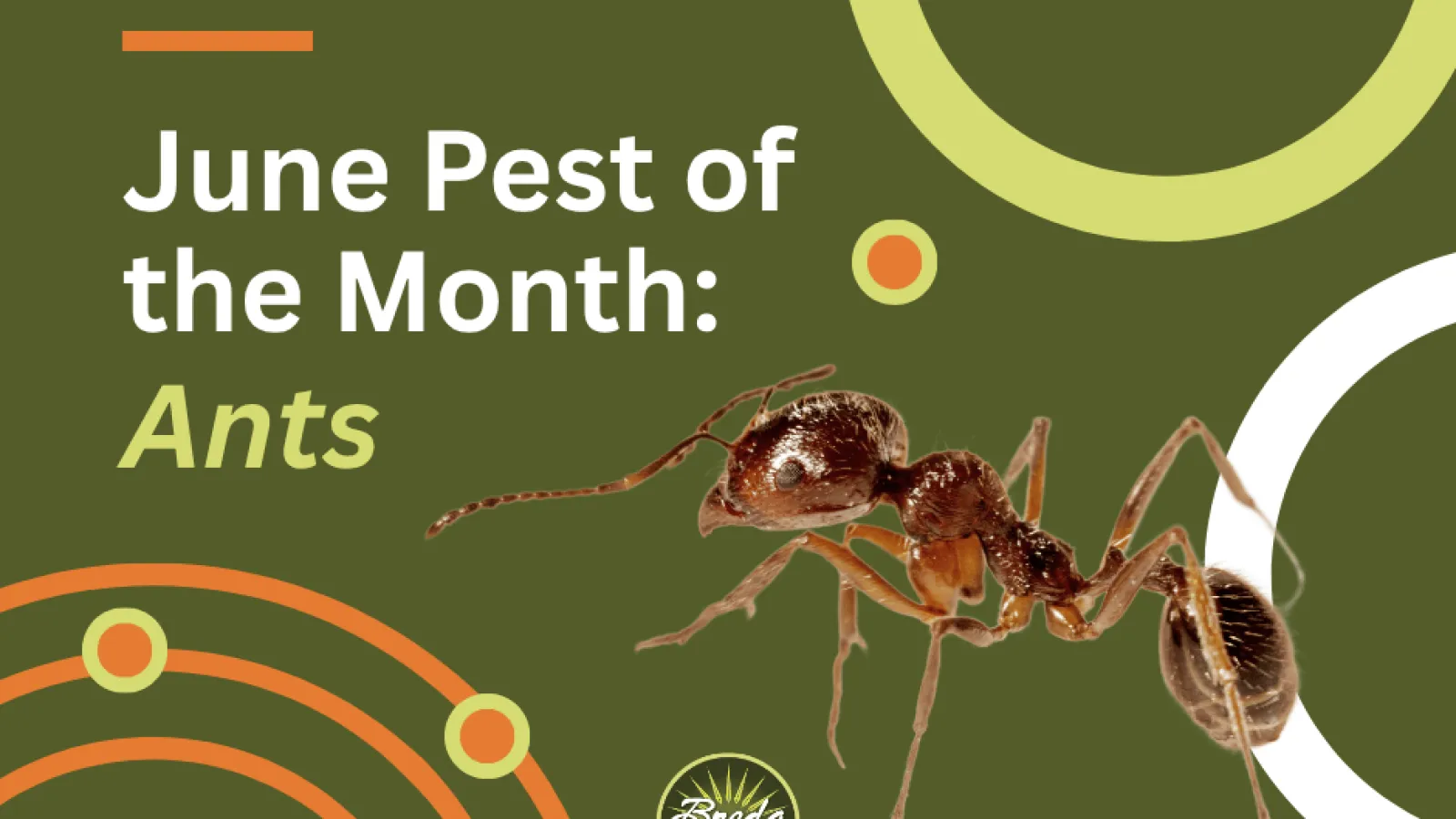
This month's "Pest of the Month" blog is all about ants, specifically the difference between sugar ants and fire ants, how to spot the signs of an infestation, and how to prevent them from making themselves a little too comfortable around your home.
If you're looking for ant control Atlanta GA homeowners can trust, here's what you need to know firstâ¦
Sugar Ants vs. Fire Ants: What's the Difference?
Not all ants are the same, which means not all ant problems should be treated the same way.
When homeowners talk about "sugar ants," they're usually referring to small household ants that are attracted to sweet foods, moisture, crumbs, and other easy food sources inside the home. These ants are typically nuisance pests, but that does not mean they are fun to live with.
Fire ants, on the other hand, are outdoor ants known for aggressive behavior, painful stings, and large dirt mounds in lawns, gardens, fields, and around foundations. According to the University of Georgia Extension, imported fire ants are a serious nuisance in urban areas throughout the South and can interfere with outdoor activities, harm wildlife, and create medical concerns because of their stings.
In other words, sugar ants are usually the ones making themselves at home in your kitchen. Fire ants are usually the ones making your yard feel like a danger zone.
Both can be frustrating. Both can spread quickly. And both may require professional ant pest control Atlanta homeowners can rely on when the infestation gets beyond a few random sightings.
What Are Sugar Ants?
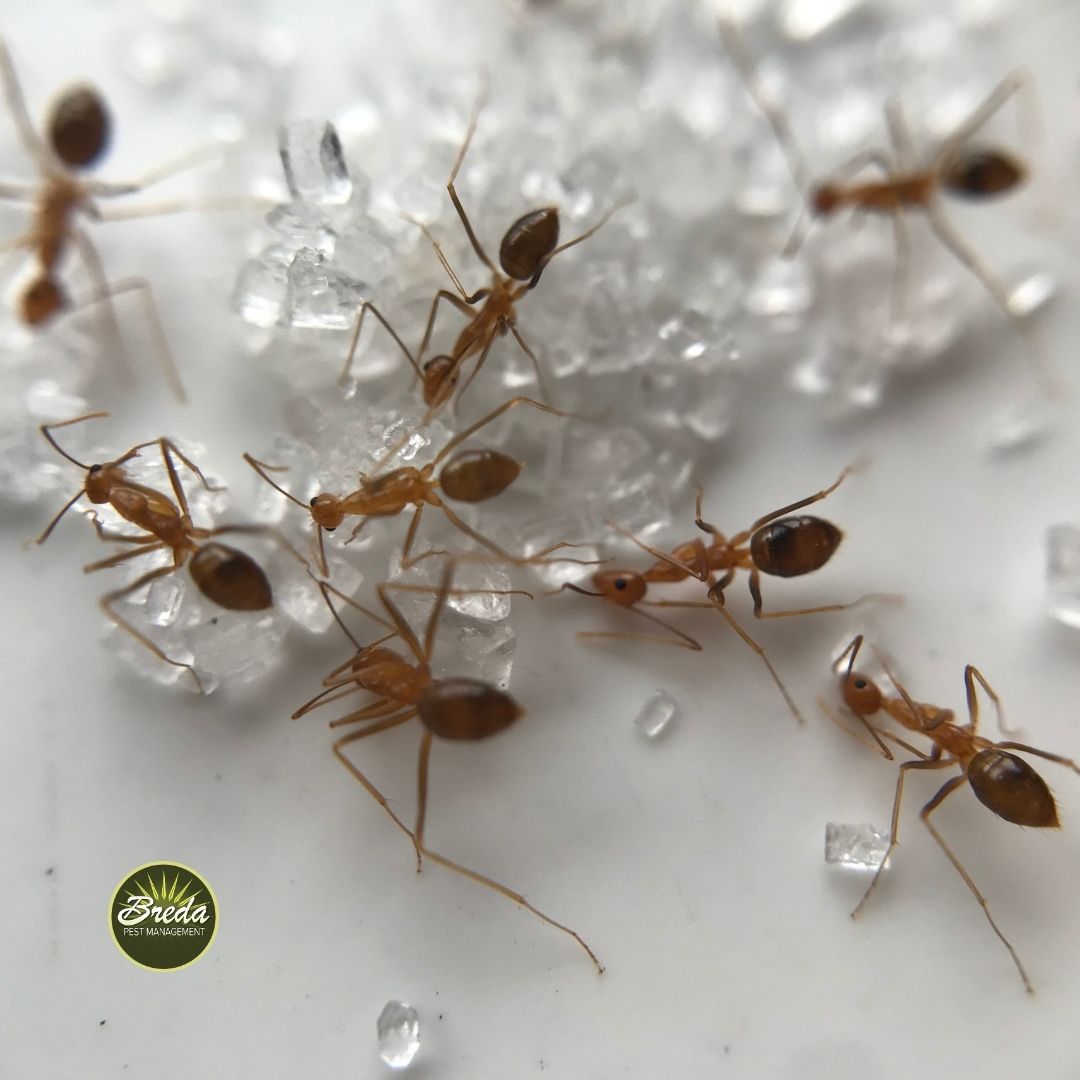
"Sugar ant" is more of a common nickname than one specific ant species. In Georgia homes, the term often refers to several small ants that are drawn to sweet foods and moisture.
One of the most common types is the odorous house ant.
Odorous house ants are small, dark ants that are especially attracted to sweets and moisture. They are also known for the unpleasant smell they release when crushed, often described as rotten coconut. BREDA has more information on odorous house ants, including what they look like and why they are such a common household pest.
Other ants that may get grouped into the "sugar ant" category include pavement ants and pharaoh ants.
Pavement ants often nest under sidewalks, driveways, and foundations, then enter homes searching for sugar, grease, or other food sources. Pharaoh ants are tiny yellowish ants that commonly live inside buildings and are known for colonies that can grow quickly.
If you're seeing sugar ants in house Atlanta GA, especially around sinks, counters, trash cans, pet bowls, or pantry shelves, the ants you see may only be part of the problem. Multiple indoor sightings can point to a nearby nest rather than a few isolated scout ants.
What Are Fire Ants?
Fire ants are a very different kind of problem.
A "fire ant" refers to several species of aggressive stinging ants in the genus Solenopsis, but the most common and well-known species in the United States is the red imported fire ant, Solenopsis invicta. These ants were originally introduced from South America and are now common throughout the southern United States.
The USDA's National Invasive Species Information Center notes that red imported fire ants can attack and cause painful stings to humans, pets, and livestock. That is why fire ants in yard Georgia should be taken seriously, especially if children or pets spend time outside.
Fire ants build large dirt mounds in lawns, gardens, fields, near sidewalks, and around foundations. Unlike some ant hills, fire ant mounds often look like loose piles of dirt with no obvious center hole.
And here's the part that makes them especially unpleasant: when a fire ant nest is disturbed, the ants can attack in groups. They bite to anchor themselves, then sting multiple times. Their venom causes a burning pain, which is how they earned the name "fire ant."
For homeowners looking for fire ant control Atlanta GA, the goal is not just to knock down the mound you can see. The goal is to treat the colony and reduce the chances of the problem spreading.
Common Signs of an Ant Infestation
Ants are tiny, but the signs they leave behind are usually pretty clear once you know what to look for.
Inside your home, sugar ants often travel in visible trails along counters, baseboards, sinks, windowsills, and cabinets. You may notice more ants around pet food, trash cans, sugary spills, grease, or moisture-prone areas.
Outside your home, fire ant mounds may appear in lawns, gardens, along sidewalks, near driveways, or close to the foundation. Small piles of dirt without an obvious opening can also be signs of fire ant activity.
Here are a few warning signs of an ant infestation Atlanta homes may experience during the summer:
- Ant trails along counters, cabinets, sinks, or baseboards
- Increased ant activity near pet food, crumbs, trash, or sticky spills
- Small ants showing up repeatedly in kitchens, bathrooms, or laundry rooms
- Fire ant mounds appearing in the yard, garden, or near walkways
- Ant activity around exterior doors, windows, patios, or foundation lines
- Multiple sightings indoors, which may point to a nearby nest
The occasional ant may not seem like a big deal. But ants are social insects. Where there is one, there are usually more nearby.
Why Ant Problems Can Spread So Quickly
Ant infestations can grow quickly because colonies reproduce rapidly, and some species can have multiple queens. Fire ant colonies, for example, can contain hundreds of thousands of ants. That means the mound in your yard may be much more active than it looks from the surface.
Sugar ants can also become a recurring problem if the colony remains nearby and food or moisture sources are easy to access. You may wipe away a trail in the morning only to find another one by dinnertime.
That is why searching how to get rid of ants in Georgia homes usually leads to a long list of DIY tips that may help temporarily, but do not always solve the full issue. Cleaning up crumbs and sealing entry points matters, but if the colony is established, you may need a more complete plan.
How to Help Prevent Ants Around Your Home
The good news? There are several steps homeowners can take to make their homes less attractive to ants.
Start in the kitchen. Wipe down counters, clean up sugary spills quickly, store food in sealed containers, and avoid leaving dirty dishes in the sink overnight. Pet food bowls should be cleaned regularly, especially if you notice ants nearby.
Next, look for moisture. Many ants are attracted to damp areas, so fix leaky pipes, check under sinks, and make sure bathrooms, laundry rooms, and basements stay as dry as possible.
Outside, keep landscaping trimmed away from the home, remove debris near the foundation, and check for gaps around doors, windows, utility lines, and other entry points. Fire ant prevention also means being mindful of mounds in the lawn and avoiding disturbing them, especially if kids or pets play nearby.
For fire ants specifically, the Texas A&M AgriLife Extension fire ant resource explains that red imported fire ants are widespread across the Southeast and can spread through natural movement and human activity. That is one reason outdoor prevention and professional treatment can be so important.
When to Call a Professional Ant Exterminator
DIY prevention can help reduce ant activity, but it may not be enough once ants have established a colony around your home.
If you keep seeing ants indoors, find trails that return after cleaning, notice fire ant mounds in high-traffic areas of your yard, or have children or pets at risk of stings, it may be time to call a professional ant exterminator Atlanta GA homeowners can trust.
BREDA Pest Management's general pest control service is designed to treat pest problems both inside and outside the home. Our approach focuses on eliminating active pests indoors while creating a strong protective barrier outside, targeting pests where they live, nest, and travel. That matters with ants because the visible problem is often only one piece of the larger colony.
BREDA also serves homeowners throughout Atlanta and the surrounding areas, bringing decades of local experience to pest problems that are especially common in Georgia's climate.
Keep Ants From Taking Over Your Summer
Ants may be small, but they can create big frustration for Georgia homeowners.
Sugar ants can turn your kitchen into a daily battle over crumbs, moisture, and pantry storage. Fire ants can make your yard feel unsafe for kids, pets, and anyone who accidentally steps too close to a mound.
The key is knowing which ant you're dealing with, watching for the early signs, and taking action before the infestation has time to grow.
If you need pest control for ants Metro Atlanta homeowners can count on, BREDA Pest Management can help identify the problem, treat the active infestation, and create a plan to protect your home from future ant activity.
Because summer in Georgia should be about backyard dinners, pool days, and kids running barefoot through the grass. Not ants taking over the kitchen. And definitely not fire ants claiming the yard.
If you're tired of wondering what the pests in or around your home are doing and just want them gone, don't hesitate to give us a call. The BREDA Guarantee promises to protect your home and keep it protected—no matter the circumstances. Schedule an inspection online or give us a call at 770-466-6700.