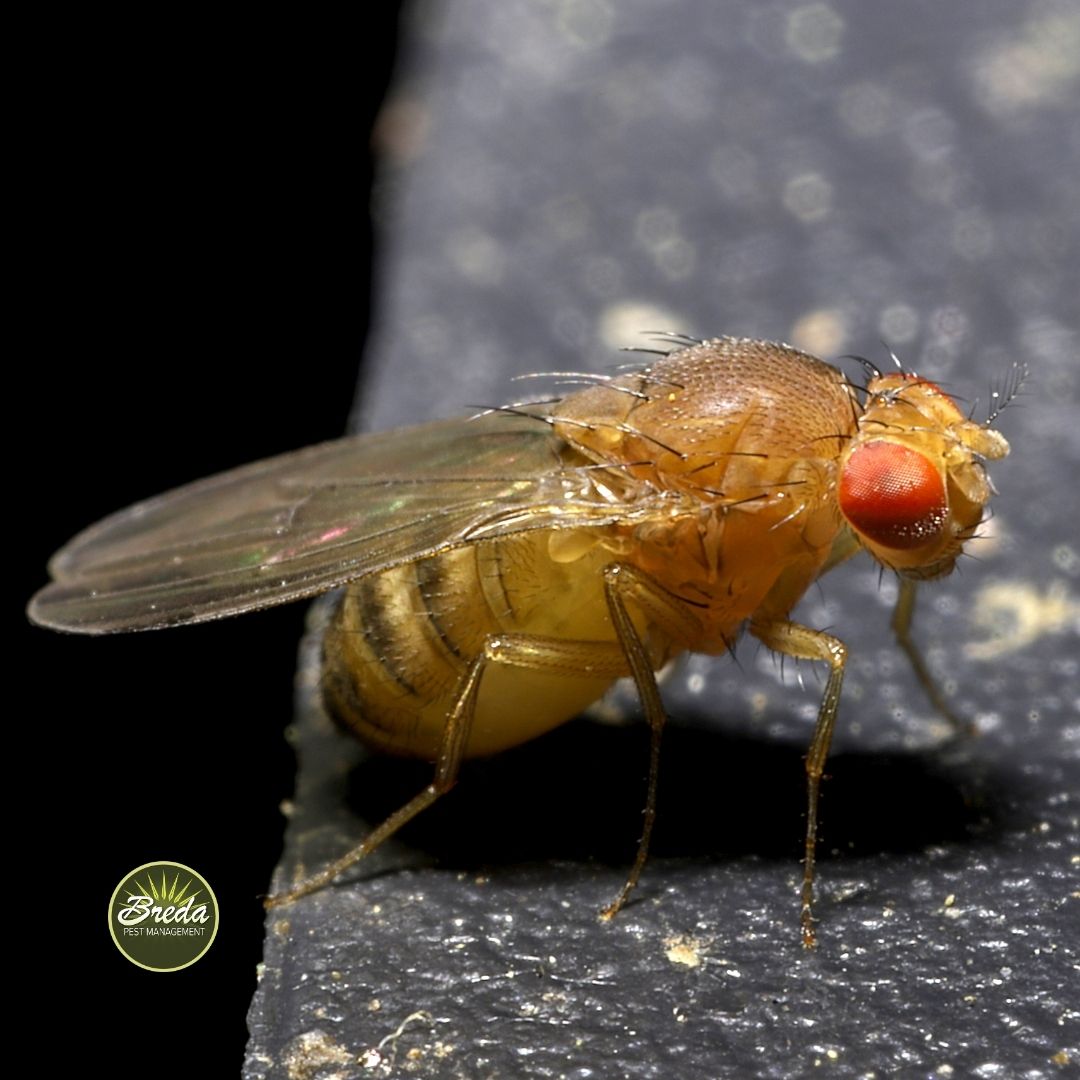
Fruit flies have a real talent for making you question your entire kitchen.
One minute, you're enjoying all the fresh fruit summer has to offer. The next, tiny flies are circling your sink, your fruit bowl, your trash can. Dramatic? Maybe. Accurate? If you've ever dealt with a fruit fly infestation, absolutely.
For Georgia homeowners, fruit flies can be especially frustrating because they reproduce quickly, thrive in warm indoor environments, and often hide their breeding sites in places most people don't think to check. You can set out every apple cider vinegar trap the internet has ever recommended, but if the source is still sitting in a drain, garbage disposal, trash can, or forgotten produce bag, the problem will keep coming back.
If you're wondering how to get rid of fruit flies in Georgia, the answer starts with one very important step: finding where they're coming from.
First Things First: Inspect for the Source
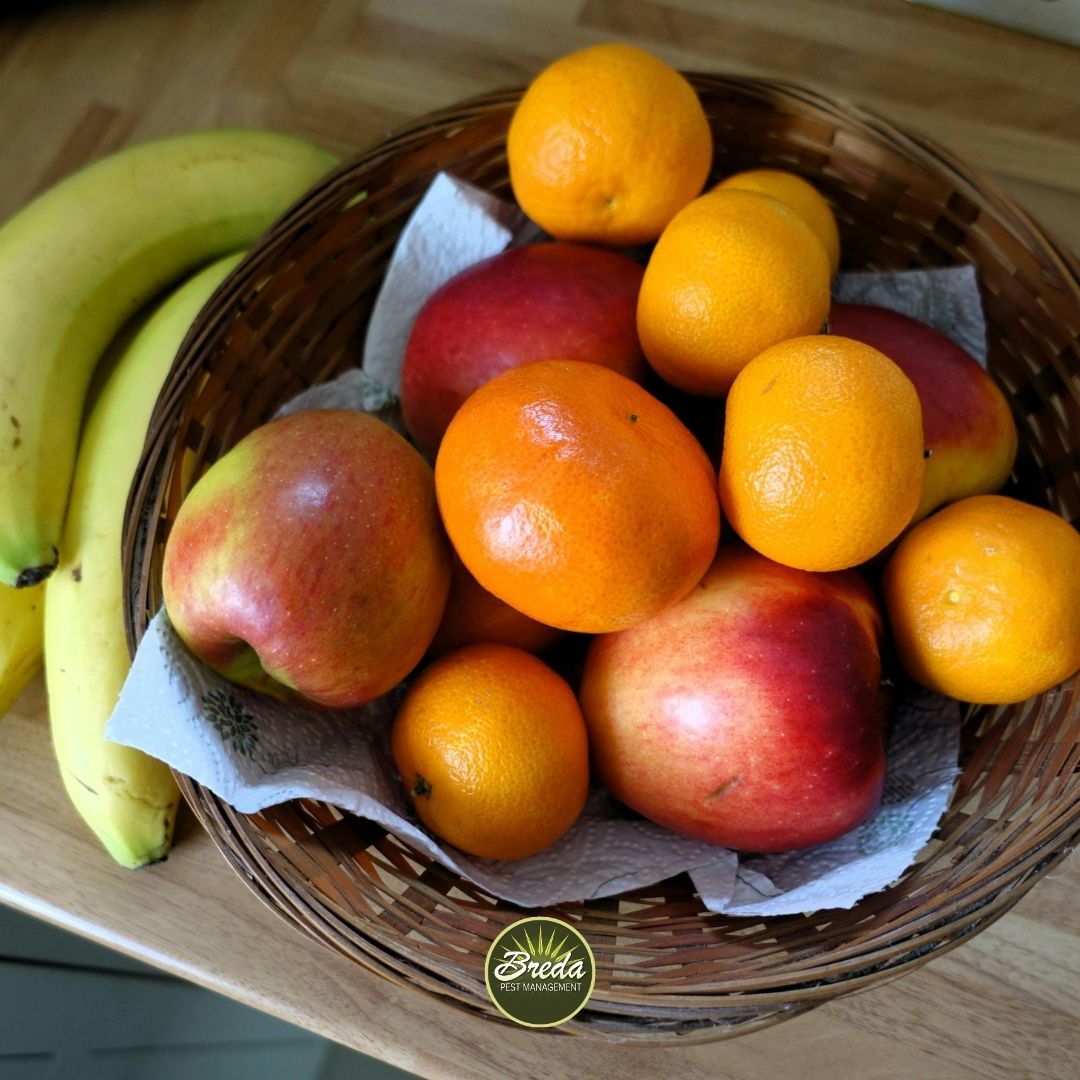
Before any fruit fly treatment Atlanta GA homeowners try can be truly effective, the source has to be found.
Fruit flies are attracted to fermenting organic matter. That includes overripe fruit, aging vegetables, spilled juice, beer, wine, sticky residue, garbage bins, recycling containers, and buildup inside drains or garbage disposals. According to the University of Maryland Extension, the primary control for fruit flies is sanitation, especially eliminating larval food and development sites.
That's the key phrase: development sites. In other words, the adults flying around your kitchen are only part of the problem. The real issue may be eggs and larvae developing somewhere nearby. And because fruit flies can complete their life cycle in just over a week, a small issue can become a noticeable infestation fast.
Common places to inspect include:
- Fruit bowls and produce baskets
- Pantry shelves, especially potatoes and onions
- Trash cans and recycling bins
- Sink drains and garbage disposals
- Sticky spills under appliances
- Damp mops, sponges, or cleaning rags
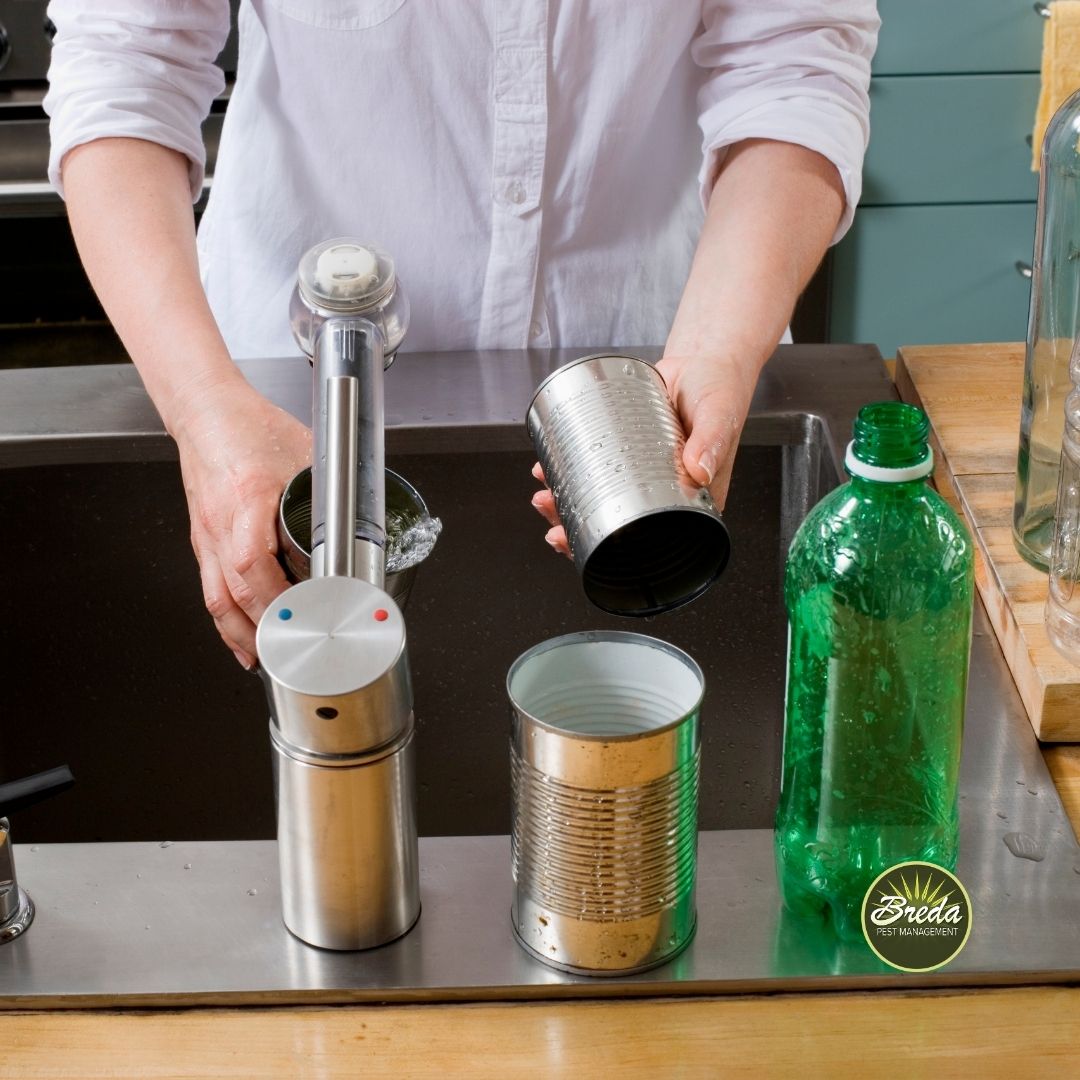
- Empty bottles and cans
- Food prep areas and cabinet edges
If you're seeing small flies in your Atlanta GA home, don't just look at where they're flying. Look where they could be breeding.
Why Fruit Flies Keep Showing Up
Fruit flies don't need a buffet. They need crumbs, moisture, and opportunity.
One overripe peach, a leaking trash bag, a little juice dried under the fridge, or organic sludge inside a drain can be enough to keep them going. The University of Kentucky Entomology department notes that fruit flies can breed in drains, garbage disposals, empty bottles and cans, trash containers, mops, cleaning rags, and any moist film of fermenting material.
That's why fruit flies in the drains of Atlanta GA kitchens can be such a common problem. Homeowners remove the fruit, clean the counters, and still see flies hovering around the sink. The issue may not be on the counter anymore. It may be inside the drain line or garbage disposal where organic buildup has collected.
And once fruit flies find a breeding source, they move quickly. Female fruit flies can lay hundreds of eggs, and the entire life cycle from egg to adult can happen in about a week under the right conditions. That's how a few flies turn into "why are they everywhere?" before you've even finished your second cup of coffee.
How to Prevent Fruit Flies in Your Home
When it comes to fruit fly prevention Atlanta homes can actually maintain, sanitation is everything. Not glamorous. Not trendy. Not something you'll see on a cute kitchen mood board. But extremely effective.
Here's where to start:
- Store fruits and vegetables in the fridge when possible. Ripe produce left on the counter is basically a welcome mat for fruit flies.
- Clean spills immediately. Juice, soda, wine, beer, syrup, and fruit residue are all attractants.
- Empty trash regularly. Don't let food waste sit too long, especially in warm weather.
- Keep garbage containers sealed. And yes, the container itself needs to be cleaned too. A fresh trash bag does not magically erase sticky residue inside the bin.
- Rinse recycling. Empty bottles and cans, especially those that held soda, beer, wine, or juice, can attract fruit flies.
- Clean drains and garbage disposals. Organic buildup inside plumbing can become a hidden breeding site.
- Dry damp cleaning items. Mops, towels, rags, and sponges can hold enough moisture and residue to attract pests.
- Wipe down cabinets, pantry shelves, and countertops. Sticky residue can hide in corners, seams, and edges.
Moisture control matters, too. Fruit flies are drawn to damp organic material, so cleaning and drying problem areas can reduce the likelihood of future infestations.
Do Apple Cider Vinegar Traps Work?
Yes⦠with a very important "but."
Apple cider vinegar traps can help reduce the adult fruit fly population. The Michigan State University Extension explains that apple cider vinegar with a small amount of dish soap can attract and trap adult fruit flies. So if you want to set out a trap near the sink or fruit bowl, go for it. It can help with the flies you see.
But vinegar traps don't eliminate eggs or remove larvae. They are not a full fruit fly control solution on their own.
Think of DIY traps like sweeping up confetti while someone is still throwing more from the balcony. Helpful for a few seconds, but not even close to being a complete solution to the actual problem.
Why DIY Fruit Fly Control Often Fails
Many DIY fruit fly solutions focus only on catching adult flies. That's why homeowners may see short-term improvement, only for the problem to return a few days later.
DIY often fails because:
- It only captures adult fruit flies.
- It does not address eggs or larvae.
- Hidden breeding sites are overlooked.
- Drains and garbage disposals are not fully cleaned.
- Trash bins still contain residue.
- Produce is still being introduced or stored improperly.
- The treatment is incomplete.
According to Texas A&M AgriLife Extension, traps or sprays may provide temporary relief, but eliminating the breeding site is essential for complete control.
That's why the most effective approach combines inspection, sanitation, source reduction, targeted treatment, and long-term prevention.
Targeted Treatment Methods for Fruit Flies
Once the source is identified, treatment becomes much more effective.
For fruit flies congregating around sinks, drains, or garbage disposals, the goal is to remove the organic buildup where they may be breeding. Our pest control manager recommends sanitizing drains and disposals when flies are gathering near the sink.
For these situations, using a product like Foam Fresh can be highly effective at breaking down sludge inside pipes where fruit flies breed. Following that with Nibor-D foam, which contains an IGR, or Insect Growth Regulator, can help disrupt the life cycle by targeting immature fruit flies before they become reproducing adults.
When appropriate, targeted insecticide applications may also help reduce adult populations. But treatment works best when it is paired with source reduction and sanitation. Otherwise, you're only treating the symptom while the source keeps producing more flies.
At BREDA Pest Management, we don't believe in temporary fixes. Our pest control services are built around finding where pests live, nest, travel, and enter—not just treating where they happen to show up. We protect the inside and outside of your home, and when interior treatment is needed, we use precise product placement in cracks, crevices, and vulnerable areas instead of outdated, messy baseboard spraying.
That matters when you're dealing with pests in kitchens and food-adjacent spaces. Our approach is targeted and family- and pet-conscious while still being effective.
Long-Term Prevention and Maintenance
Fruit fly infestations can come back if the conditions that attracted them are still there. That's why long-term prevention is so important, especially in Georgia homes during warm, humid months. (Which, if we're being honest, is the majority of the year in Georgia!)
Set a regular cleaning schedule for trash cans, drains, counters, pantry shelves, and food prep areas. Inspect produce before bringing it inside, and store fruits and vegetables properly once they're in your home. Keep garbage containers sealed. Clean sticky messes quickly. Pay attention to sink areas, garbage disposals, and any place where moisture and organic matter can collect.
For restaurants, grocery stores, bars, food-processing facilities, and commercial kitchens, preventive maintenance is even more important. Fruit flies are not just annoying in those spaces; they can create sanitation concerns and affect customer trust.
No one wants tiny flies circling the lime wedges. We can all agree on that.
When to Call BREDA
If you've cleaned, trapped, scrubbed, stored, sealed, and still have fruit flies in your Atlanta GA kitchen spaces, it may be time to call in help.
A recurring fruit fly infestation Atlanta homes can't seem to shake usually means there's a hidden source. Our team can help identify the pest, locate the breeding area, recommend the right sanitation steps, and apply targeted treatment when appropriate.
Whether you're looking for pest control for fruit flies in Metro Atlanta, a fruit fly exterminator Atlanta GA homeowners can trust, or ongoing kitchen pest control support, we're here to help protect your home with care.
Fruit flies may be tiny, but they are persistent. Thankfully, so are we. If small flies have taken over your kitchen, don't just chase the ones you can see. Let us help you find the source, break the cycle, and get your home feeling like yours again.
Frequently Asked Questions About Getting Rid of Fruit Flies
What is the fastest way to get rid of fruit flies?
The fastest way to reduce fruit flies is to remove the breeding source first. That means throwing away overripe produce, cleaning spills, emptying trash, rinsing recycling, and cleaning drains or garbage disposals where organic buildup may be hiding. Apple cider vinegar traps can catch adult fruit flies, but traps alone will not eliminate eggs or larvae.
Do apple cider vinegar traps actually work for fruit flies?
Yes, apple cider vinegar traps can help catch adult fruit flies, but they are not a complete solution. These traps reduce the visible adult population, but they do not remove eggs, larvae, or the breeding source. If you are trying to figure out how to get rid of fruit flies in Georgia for good, sanitation and source removal matter most.
Why do fruit flies keep coming back after I clean?
Fruit flies often return because the breeding source was missed. Hidden organic buildup inside drains, garbage disposals, trash cans, recycling bins, or pantry areas can keep the infestation going. Even if your counters are clean, fruit flies can continue developing in places you may not see right away.
Can fruit flies live in drains?
Yes, fruit flies can breed in drains if there is enough organic matter, moisture, and food residue inside the pipes or garbage disposal. If you are seeing fruit flies in drain areas around your Atlanta GA kitchen, cleaning the surface of the sink may not be enough. The buildup inside the drain needs to be addressed to help break the cycle.
What does professional fruit fly treatment include?
Professional fruit fly treatment starts with inspection and source identification. From there, treatment may include drain sanitation, removing organic buildup, targeted product applications when appropriate, and the use of insect growth regulators to help disrupt immature fruit fly development. The best results come from combining treatment with sanitation and long-term prevention.
How can I prevent fruit flies from coming back?
Store ripe fruits and vegetables in the refrigerator when possible, clean spills quickly, empty trash regularly, rinse bottles and cans before recycling, and clean drains and garbage disposals. Wiping down pantry shelves, cabinet edges, countertops, and trash containers can also help remove sticky residue that attracts fruit flies. Regular sanitation is one of the best forms of fruit fly prevention for Atlanta homes.
If you find yourself needing pest control and want it handled thoroughly, don't hesitate to give us a call. The BREDA Guarantee promises to fix your pest problem and keep it fixed—no matter the circumstances. Schedule a consultation online or give us a call at 770-466-6700.