Have you ever been standing in your kitchen, trying to eat a banana in peace, and suddenly one tiny flying bug becomes six tiny flying bugs? Naturally, your first thought might be: "Where did these gnats come from?" But here's the plot twist: they might not be gnats at all. In many Georgia homes, those small flying bugs hovering around fruit bowls, trash cans, drains, and kitchen counters are actually fruit flies.
Fruit flies are one of those pests that seem to appear out of nowhere, multiply like they're training for a numbers-based Olympic event, and then make your kitchen feel a lot less clean than it actually is. The good news? Once you know what you're dealing with, you can take the right steps to get them under control.
So let's talk about fruit flies and gnats Atlanta GA homeowners may be spotting indoors, why they show up, and when it's time to bring in professional help.
What Are Fruit Flies?
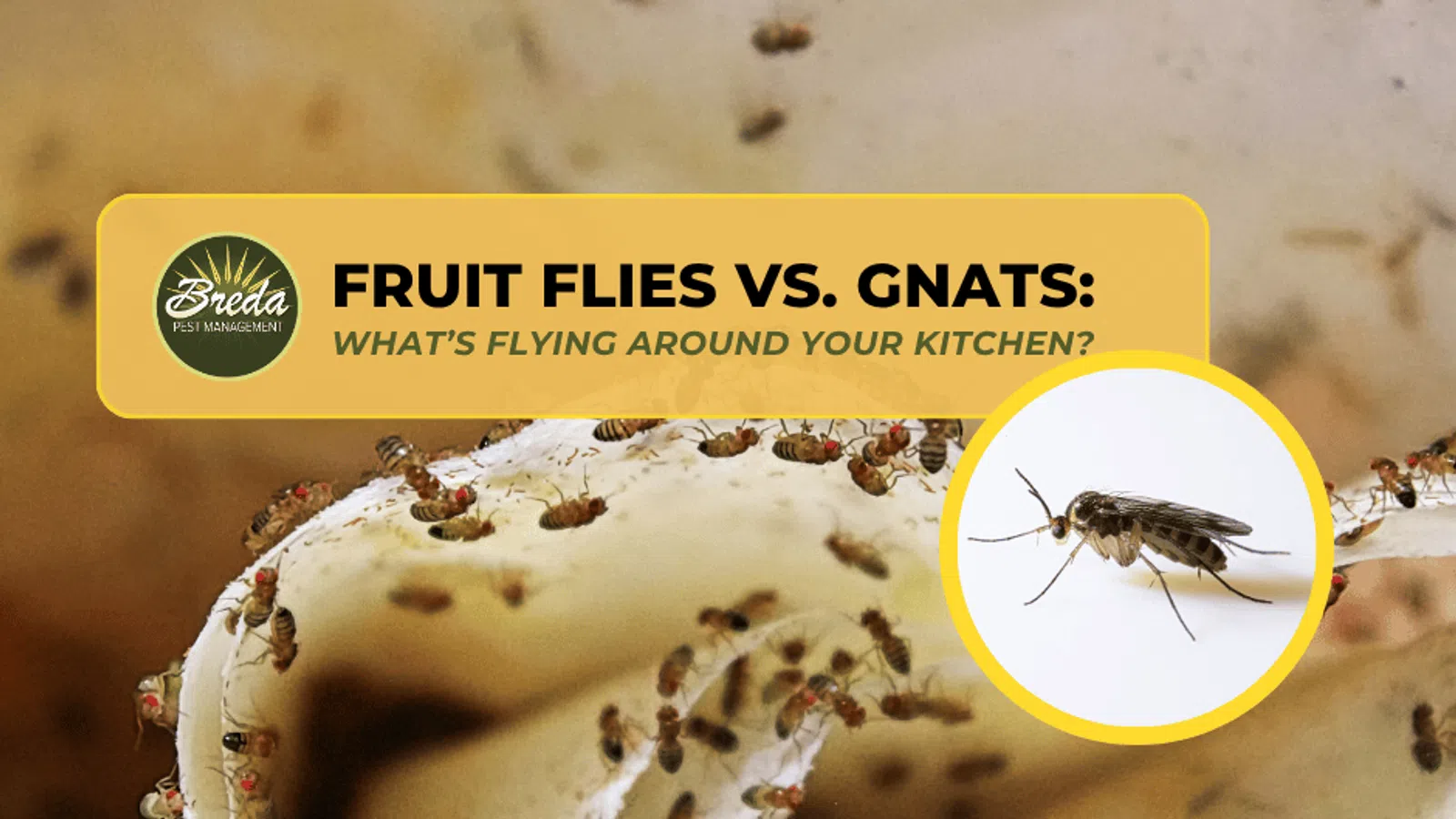
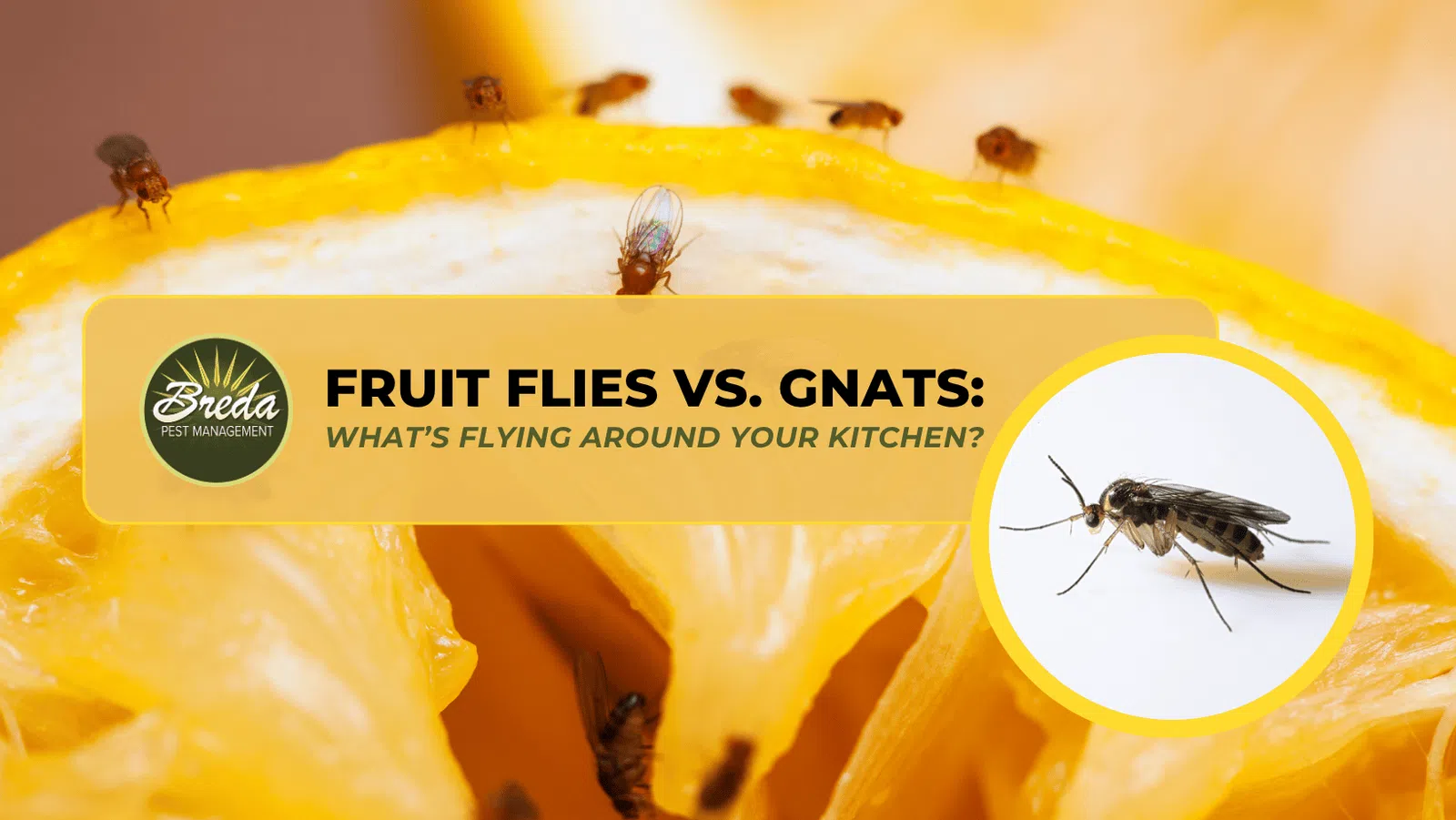
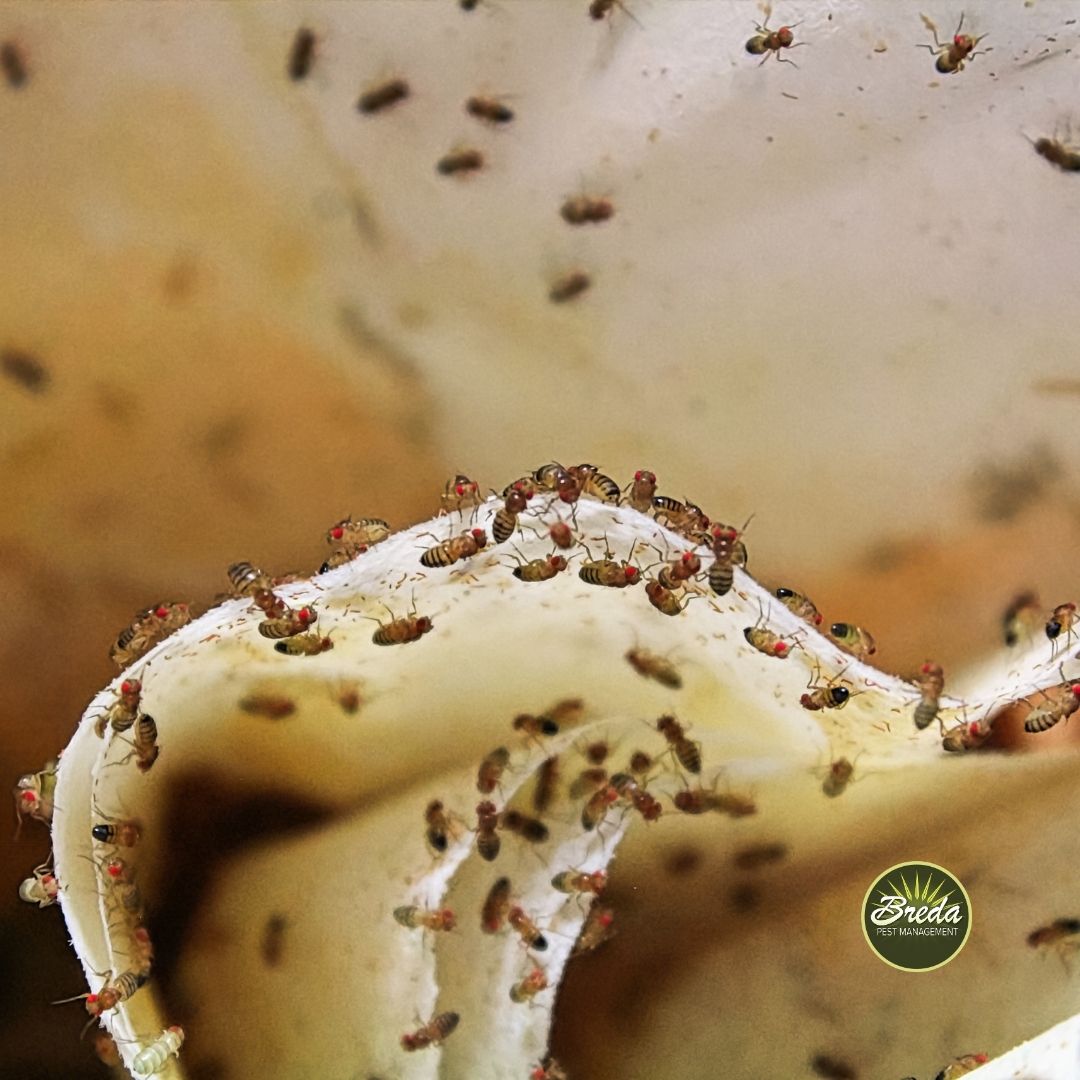
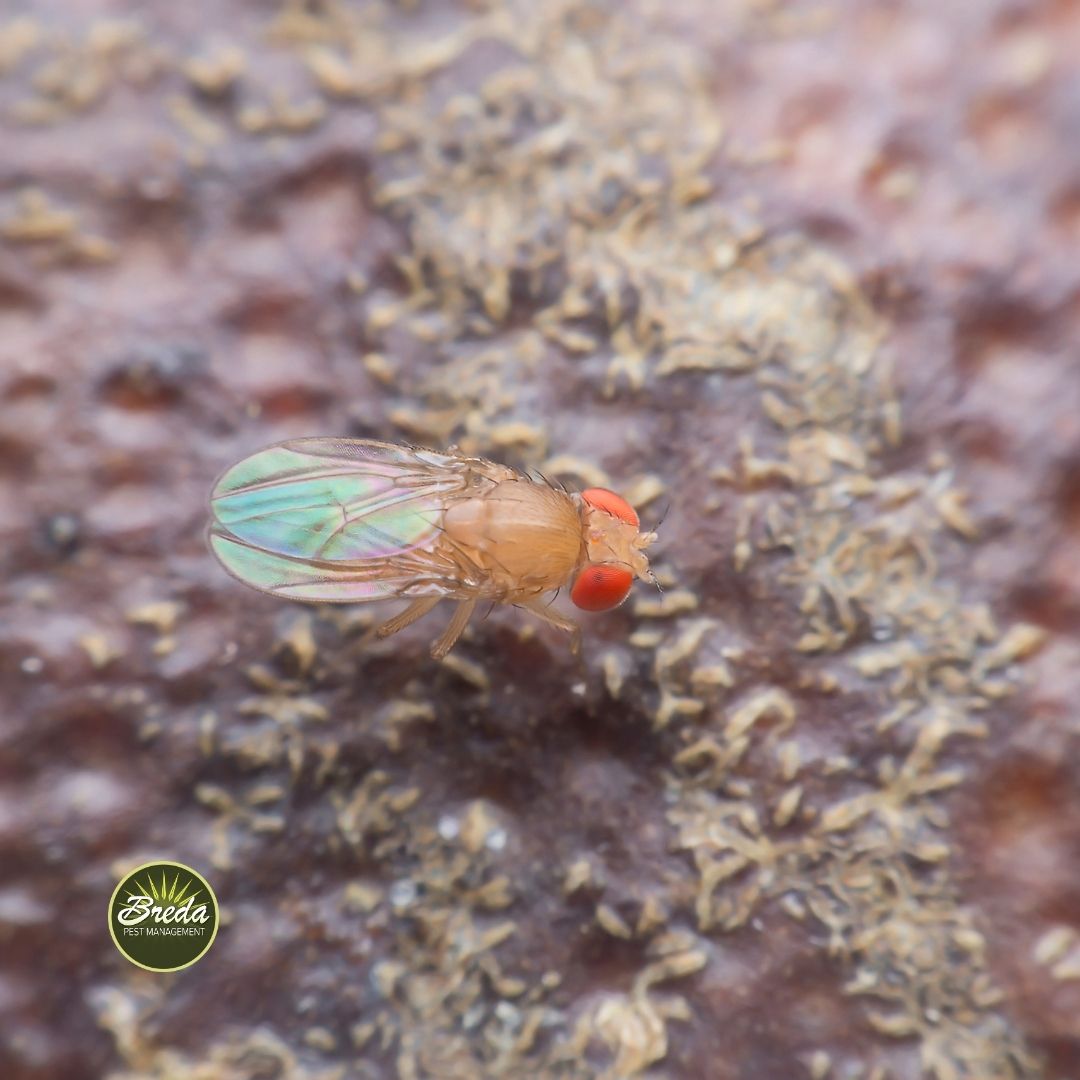
Fruit flies are tiny insects, typically about 1/8 inch long, with tan or brownish bodies and bright red eyes. Their scientific family is Drosophilidae, and while that sounds like something you'd have to spell out during a very intense round of trivia, the important thing to know is this: fruit flies are drawn to fermenting organic material.
That means overripe fruit, aging vegetables, spilled juice, wine, beer, sugary liquids, garbage bins, and food residue can all become fruit fly magnets.
According to the University of Maryland Extension, fruit flies are primarily kitchen pests and are attracted to overripe fruits, vegetables, fermenting foods, wine, beer, fruit juice, and vinegar. Translation? If something in your kitchen is sweet, sticky, fermenting, forgotten, or sitting too long in the trash, fruit flies are interested.
This is why fruit flies in the kitchen of Atlanta GA homes can feel so frustrating. You may not have a "dirty" kitchen. You may just have one soft peach, one sticky recycling bin, or one sneaky bit of organic buildup in the drain.
Rude? Yes. Scientifically accurate? Also yes.
Fruit Flies vs. Gnats: What's the Difference?
The word "gnat" gets used like a catch-all nickname for tiny flying insects. If it's small, airborne, and annoying, most people call it a gnat. Fair enough.
But fruit flies and gnats are not the same thing.
Fruit flies are a specific type of fly. They usually have rounder bodies, tan to brown coloring, and noticeable red eyes. They're most often found near fruit, food waste, fermenting liquids, and kitchen drains.
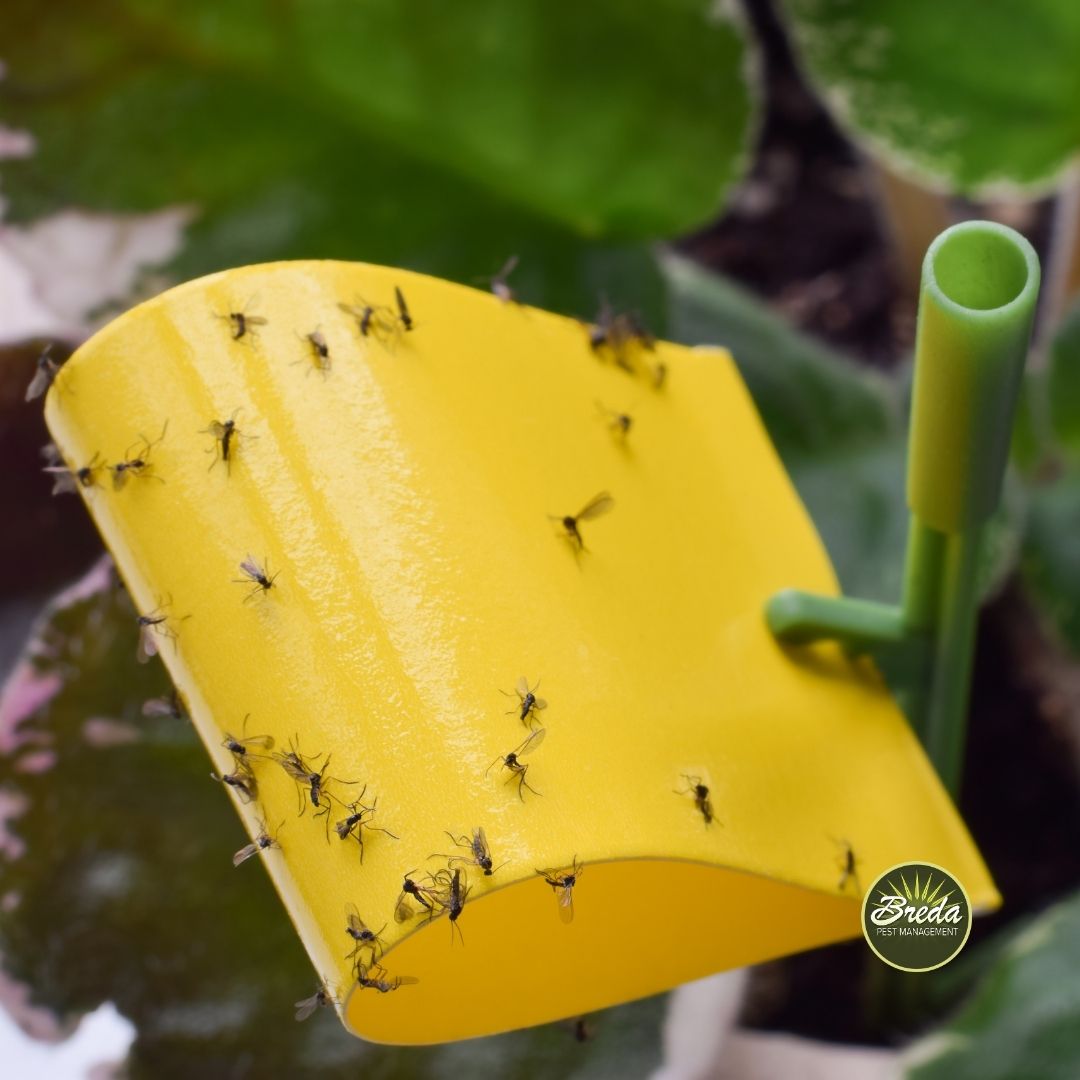
Fungus gnats, on the other hand, are usually darker, more delicate-looking, and mosquito-like, with longer legs and antennae. They're commonly associated with moist soil, especially in overwatered houseplants. NC State Extension notes that fungus gnats are often mistaken for fruit flies, but they are more attracted to moist soil than ripening fruit.
Here's the quick kitchen-counter test:
- If the tiny bugs are hanging around your fruit bowl, wine glass, trash can, recycling bin, garbage disposal, or sink drain, you're probably dealing with fruit flies.
- If they're hovering around houseplants, crawling over potting soil, or showing up after watering, fungus gnats may be the culprit.
And if you're seeing small flying bugs and can't tell where they're coming from, identification matters. Fruit fly control, gnat pest control services, and drain-related treatments all depend on finding the actual source.
A Surprisingly Cool Fruit Fly Fact
Fruit flies may be household pests, but they're also tiny science celebrities.
For more than 100 years, fruit flies have been used in scientific research because they reproduce quickly and share many important genetic similarities with humans. Researchers have used fruit flies to study genetics, aging, cancer, neurological diseases, and more. The National Institute of General Medical Sciences has highlighted fruit flies as valuable research organisms, including in studies connected to gene expression and circadian rhythms.
Why Do Fruit Flies Invade Homes?
Fruit flies are tiny but also annoyingly resourceful.
They can enter homes through open doors, windows, small gaps, and even on produce brought home from the grocery store. In some cases, eggs or larvae may already be present on fruits and vegetables before they make it into your kitchen.
Once inside, fruit flies look for fermenting organic matter. That could include:
- Overripe bananas, peaches, berries, tomatoes, or potatoes
- Spilled juice, soda, wine, or beer
- Residue in garbage cans or recycling bins
- Food scraps in drains or garbage disposals
- Sticky spots under appliances or near trash areas
- Damp mops, sponges, or towels with organic residue
Warm indoor temperatures can also speed things up. Since Georgia summers are not exactly known for being cool and crisp, fruit flies can become especially active when the weather heats up.
That's why homeowners wanting to get rid of fruit flies in Georgia often need more than a quick wipe-down. The real issue may be a hidden breeding site, and fruit flies do not need much to keep the party going.
Even a small amount of fermenting residue can support a growing population.
Why Fruit Fly Infestations Grow So Quickly
Here's where fruit flies go from mildly annoying to "how are there this many of you?" in a hurry.
Female fruit flies can lay hundreds of eggs during their lifetime, often on the surface of fermenting food or liquids. Those eggs can hatch within 24 to 30 hours under ideal conditions. From there, larvae feed on yeast and microorganisms in decaying organic matter.
The full life cycle from egg to adult can happen in as little as 7 to 10 days. The Texas A&M AgriLife Extension explains that fruit flies can complete their life cycle in as few as eight days under the right conditions.
So, when it feels like you went from two fruit flies to a tiny airborne committee overnight, you're not imagining it. A fruit fly infestation in Atlanta homes can escalate quickly because the breeding cycle is fast.
This is also why DIY traps may catch adults but fail to solve the root problem. If the source is still there, new adults can keep emerging.
Are Fruit Flies Harmful?
Fruit flies do not bite or sting, which is kind of them, honestly. We'll take the small wins where we can get them.
They also are not known to transmit disease in the same way mosquitoes or some other flies can. However, that does not mean they belong anywhere near your food.
Because fruit flies breed and feed in unsanitary places like garbage, rotting produce, drains, and organic waste, they can act as mechanical vectors. In plain English: their bodies and hairy legs can pick up bacteria or other pathogens from gross places and carry them onto food, counters, prep surfaces, and dishes.
Large infestations can also be a sign of sanitation issues, hidden moisture, or organic buildup somewhere in the home. In restaurants, commercial kitchens, and food-processing facilities, fruit flies are especially problematic because they can create sanitation concerns and damage customer trust quickly.
No one wants to see a fruit fly circling their salad like it has a reservation.
How to Help Prevent Fruit Flies
Fruit fly prevention starts with source control. Translation: make your kitchen as boring as possible for them.
Try these simple steps:
- Store ripe fruit and vegetables in the refrigerator when possible.
- Throw away overripe produce quickly.
- Clean sticky spills immediately, especially juice, soda, wine, and beer.
- Take out trash regularly and clean the inside of the bin.
- Rinse bottles and cans before placing them in recycling.
- Clean garbage disposals and drains where organic matter can build up.
- Avoid leaving damp mops, sponges, or dishcloths sitting wet.
- Check under appliances and around trash areas for hidden residue.
You can use traps to catch adult fruit flies, but remember: traps are not the whole solution. They may reduce what you see flying around, but if larvae are developing in a drain, garbage bin, or hidden food source, the infestation can continue.
When Should You Call a Professional?
If you've cleaned the counters, tossed the fruit, scrubbed the trash can, set the traps, and the fruit flies are still acting like they pay rent, it may be time for professional help.
Professional kitchen pest control services can help identify the source of the problem and determine whether you're dealing with fruit flies, fungus gnats, drain flies, phorid flies, or another small flying pest. That distinction matters because different pests require different solutions.
At BREDA Pest Management, pest control is designed to protect both the inside and outside of your home. BREDA's pest control services focus on eliminating active pests indoors while creating a protective barrier outside. Our team targets pests where they live, nest, and travel—not just where they happen to show up.
BREDA also customizes pest control services based on your home and Georgia's warm, humid pest pressures. Instead of relying on one-size-fits-all treatments or outdated baseboard spraying, BREDA uses targeted product placement in cracks, crevices, and vulnerable areas when interior treatment is needed.
That means if you're searching for pest control for gnats in Metro Atlanta or a fruit fly exterminator Atlanta GA homeowners can trust, BREDA can help you get past the guessing game and get to the source.
Don't Let Tiny Flies Take Over Your Kitchen
Fruit flies are small, but they can make a big nuisance of themselves fast. And because they're often mistaken for gnats, many homeowners spend days treating the wrong issue before realizing the real source is fermenting produce, a drain, a trash bin, or hidden organic residue.
If you're seeing tiny flying pests indoors and you're not sure what they are, BREDA Pest Management is here to help. Whether you need fruit fly control Atlanta GA services, help identifying gnats, or a full pest control plan for your home, BREDA can inspect, identify, and treat the issue with care.
Your kitchen should be for coffee, snacks, and pretending you're going to meal prep. Not for fruit flies.
Frequently Asked Questions About Fruit Flies and Gnats
Are fruit flies and gnats the same thing?
No, fruit flies and gnats are not the same thing, even though people often use the word "gnat" for almost any tiny flying bug. Fruit flies are usually found around overripe fruit, fermenting liquids, trash cans, recycling bins, and drains. Fungus gnats, on the other hand, are more commonly associated with moist soil and overwatered houseplants. If you're trying to figure out fruit flies vs gnats in your Atlanta GA home, the best clue is where you're seeing them.
Why do I have fruit flies in my kitchen?
Fruit flies are attracted to fermenting fruits, vegetables, sugary liquids, spilled drinks, garbage, and organic buildup in drains or garbage disposals. They can also come into your home on produce from the grocery store. Even a small amount of residue can support a fruit fly problem, which is why fruit flies in kitchen Atlanta GA homes can appear quickly and feel like they came out of nowhere.
Do fruit flies bite people?
Fruit flies do not bite or sting people. However, that does not mean you want them landing on your food. Fruit flies can move between unsanitary places like drains, garbage, and rotting produce before landing on counters, dishes, or food prep surfaces. Their presence can also point to hidden sanitation or moisture issues that need to be addressed.
How can I tell if I have fruit flies or another small flying pest?
Start by looking at where the flies are gathering. If they are circling fruit bowls, trash cans, recycling bins, wine glasses, juice spills, sinks, or garbage disposals, you may be dealing with fruit flies. If they are hovering around houseplants, the issue may be fungus gnats. If you're seeing small flying bugs in your house in Atlanta GA and can't identify them, our team can inspect the issue and help determine the right treatment.
When should I call for professional fruit fly control?
You should call for professional fruit fly control if the problem keeps coming back after cleaning, trapping, and removing obvious food sources. Recurring fruit flies may mean there is a hidden breeding site in a drain, garbage disposal, trash container, or another moisture-rich area. We can help identify the source and recommend the right next steps for long-term control.
If you're tired of wondering what the pests in or around your home are doing and just want them gone, don't hesitate to give us a call. The BREDA Guarantee promises to protect your home and keep it protected—no matter the circumstances. Schedule an inspection online or give us a call at 770-466-6700.