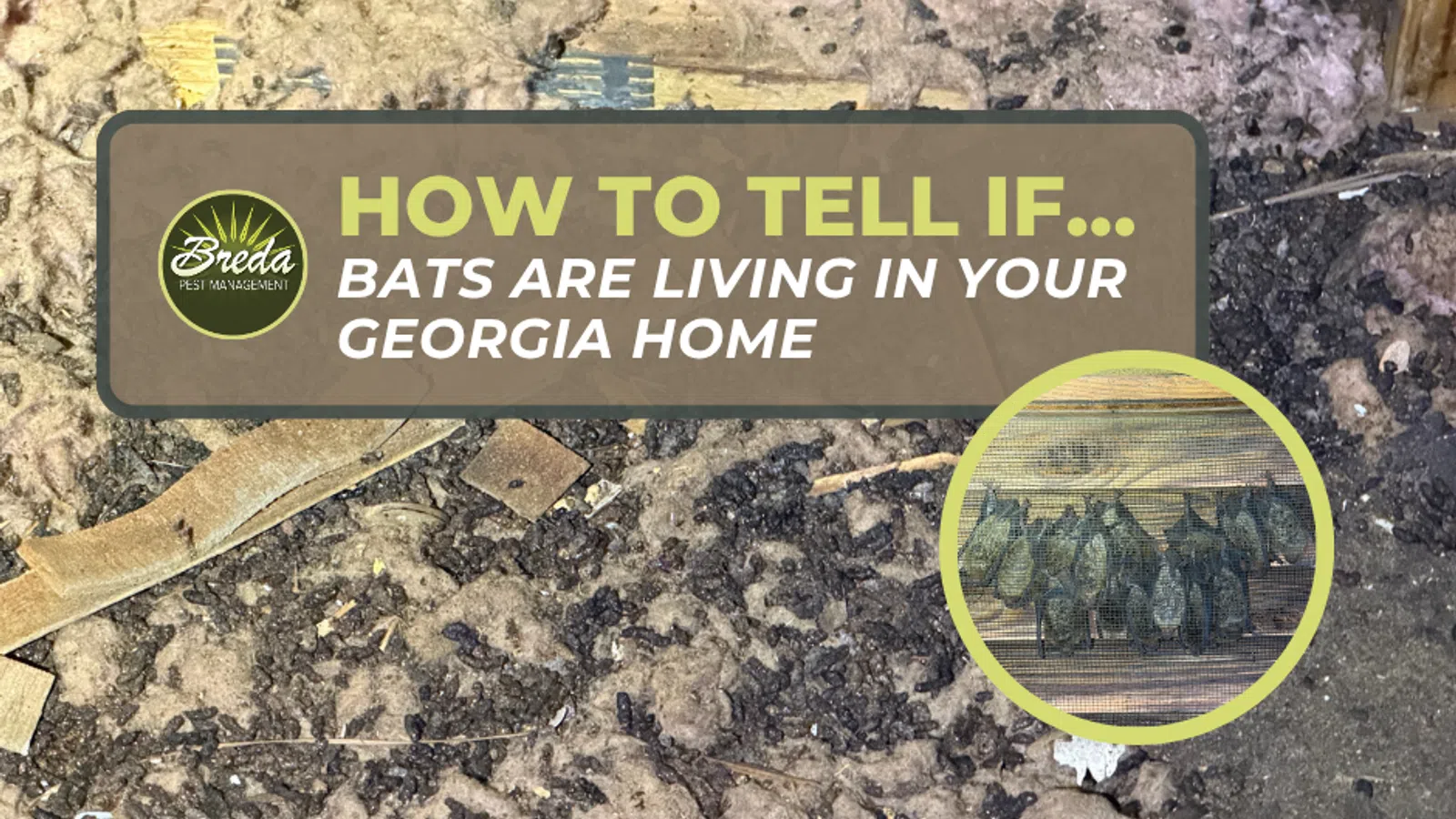
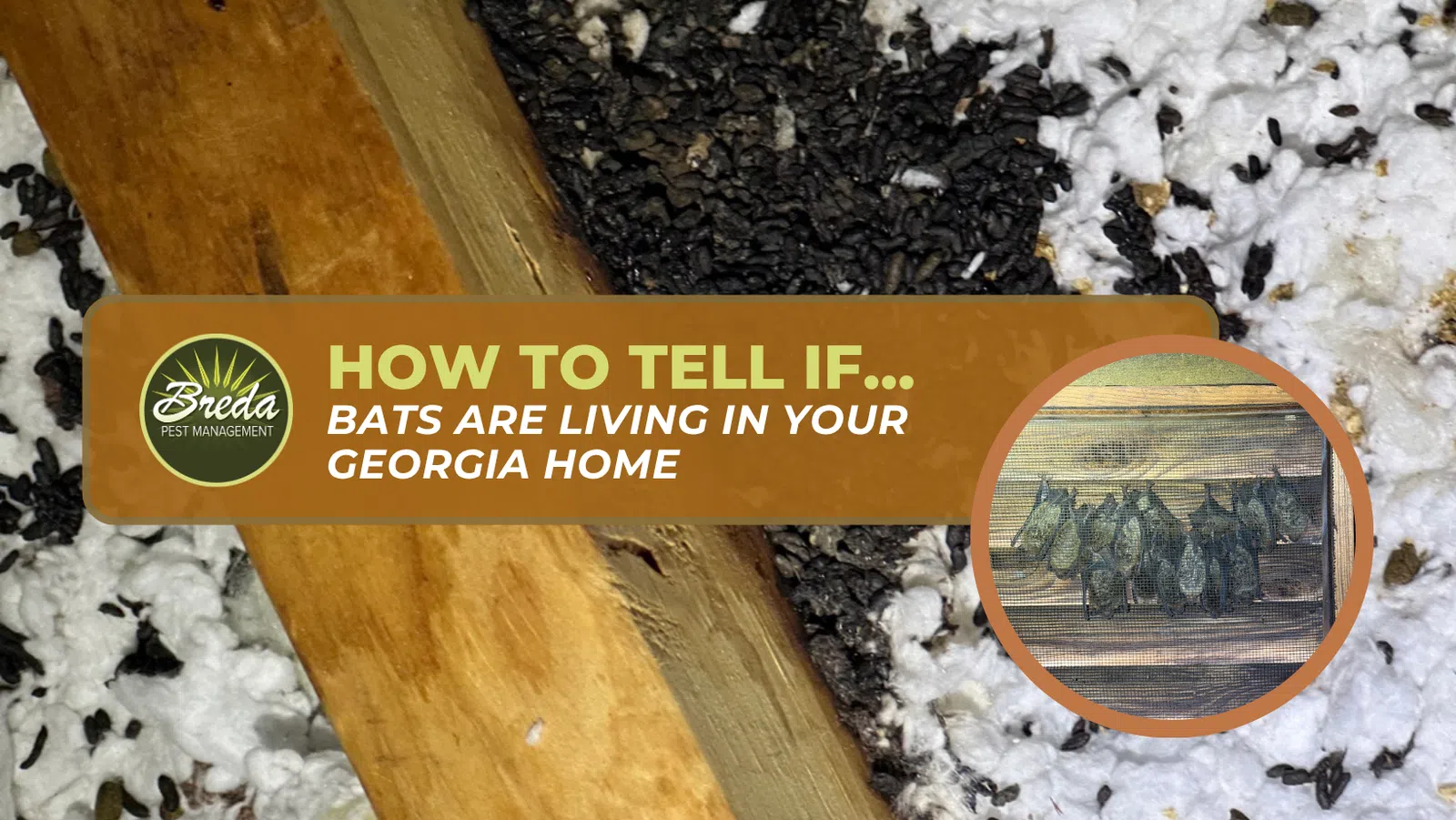
A bat flying across your backyard at sunset isn't necessarily a reason to panic. In fact, it's usually a sign that your local ecosystem is doing exactly what it is supposed to do. Seeing several bats leave the same opening along your roofline every evening? That deserves a closer look.
Bats are incredibly helpful when they're flying around outside eating insects. They become considerably less helpful when they decide your attic is the perfect place to raise a family.
Knowing the difference between normal seasonal bat activity and an active roost can help you protect your home without harming animals that play an important role in Georgia's environment. Let's look at the signs, the prevention steps you can take yourself, and the things you should absolutely not do when bats are involved.
Common Signs of Bats in Attic Georgia Homeowners Should Know
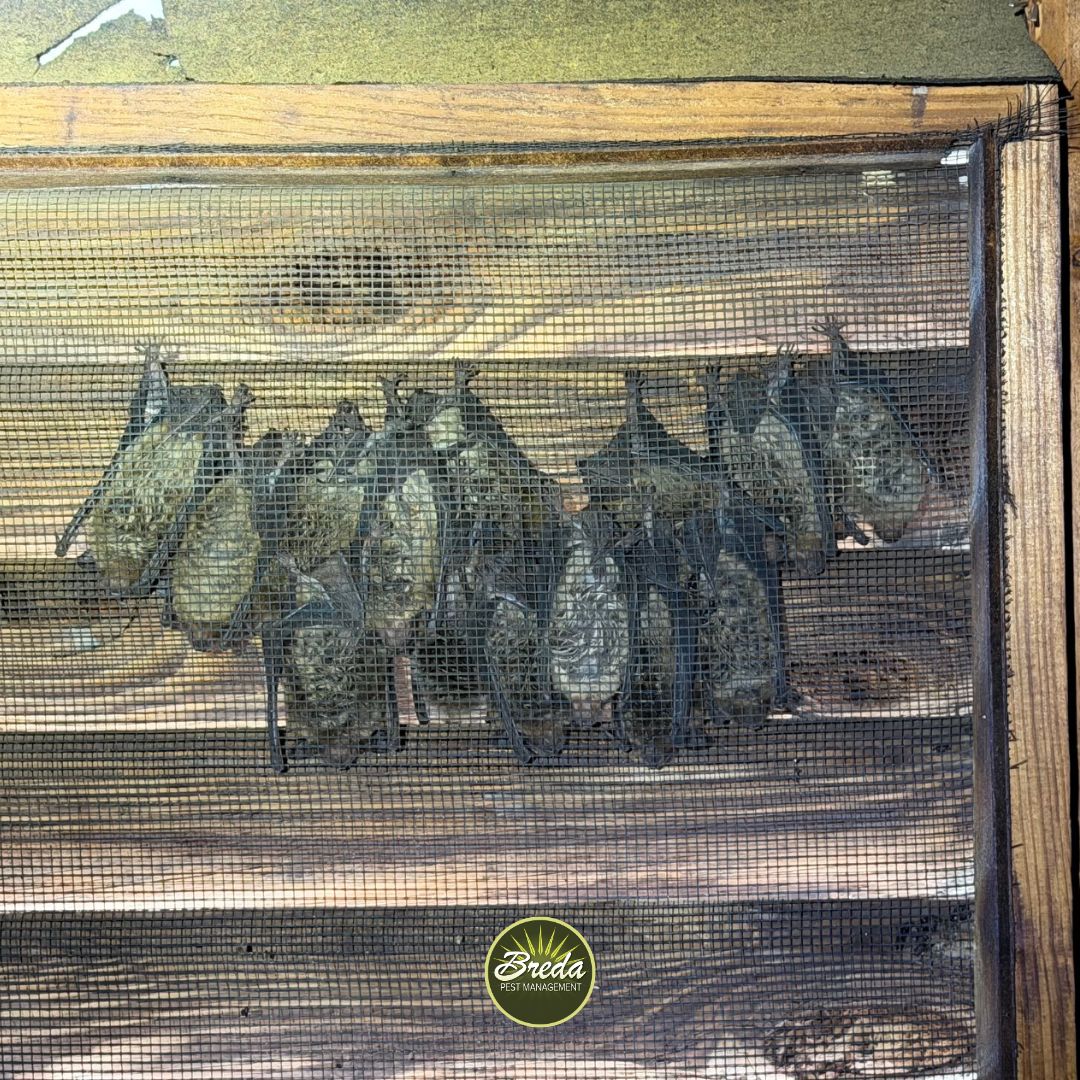
Bats are quiet houseguests compared to raccoons or squirrels, so an infestation is not always immediately obvious. They can live inside an attic, soffit, wall void, or roofline for weeks before a homeowner realizes what is happening.
Here are some of the most common warning signs:
- Bats consistently leaving the same section of your roofline around dusk or returning near dawn
- Scratching, rustling, or chirping sounds coming from the attic around dusk or dawn
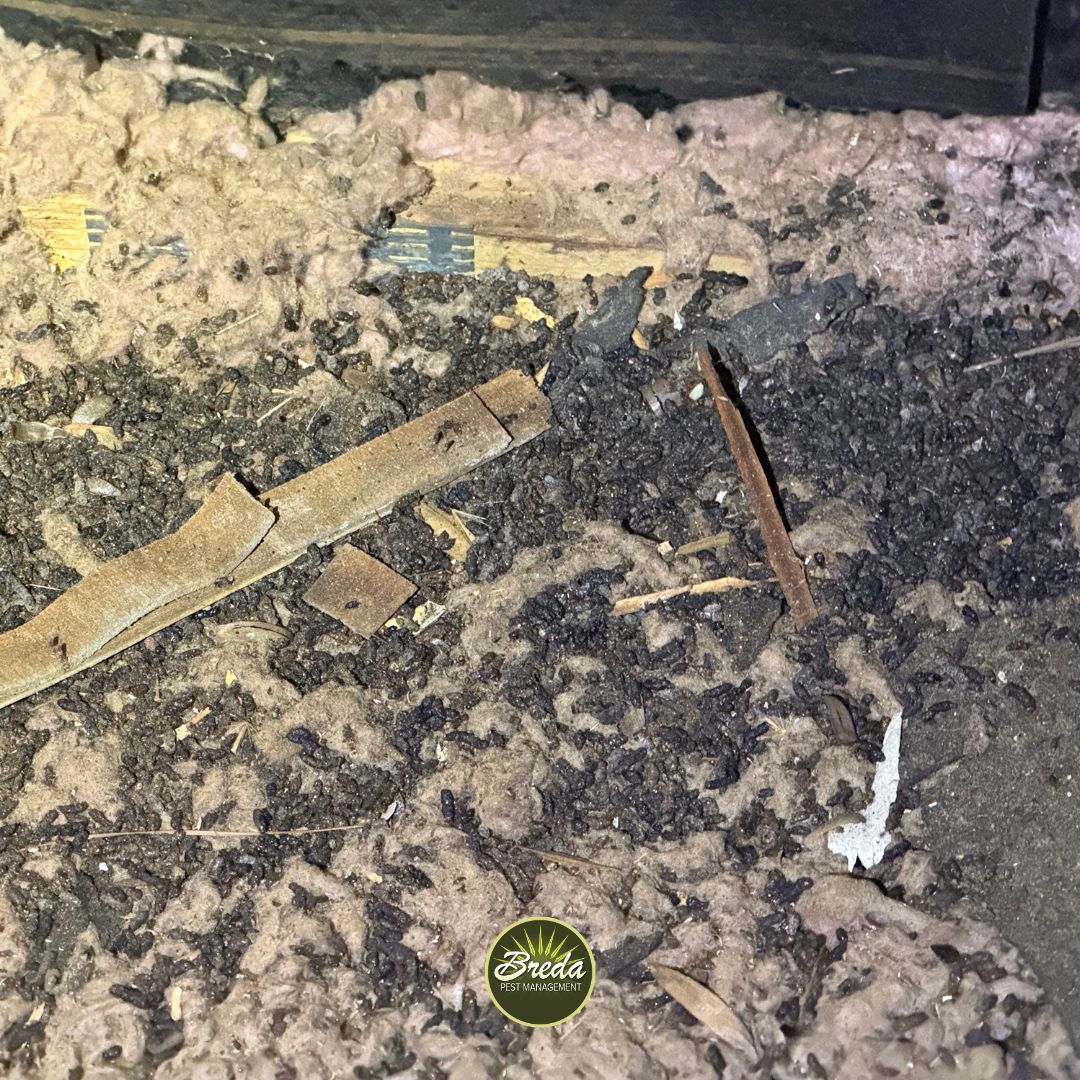
- Small, dark droppings, known as guano, beneath a possible entry point
- Brown staining or oily marks around gaps where bats regularly enter and exit
- A strong ammonia-like odor, particularly when a colony has occupied the space for an extended period
When we investigate reports of bats in the attics of Atlanta GA homes, one of the most helpful clues is repeated activity in the same location. A single bat flying over your house is probably hunting. Several bats emerging from one roof gap night after night may indicate that your home is being used as a roost.
One easy way to check is to stand outside for approximately 15 to 20 minutes around sunset. Watch the roofline, chimney, soffits, vents, and areas where different building materials meet. You may be surprised how much your house tells you when you slow down long enough to watch it.
More Bats Outside Does Not Always Mean More Bats Inside
Bat activity naturally changes throughout the year. Seeing more bats during warmer months does not automatically mean your home has an infestation. It may simply reflect migration, maternity season, available insects, or other normal seasonal behaviors.
Young bats are called pups, and female bats often gather in maternity colonies to give birth and care for them. That detail becomes extremely important when exclusion work is needed—which we will come back to shortly.
Bats are also one of Georgia's natural forms of pest control. According to the U.S. Geological Survey, bats are significant predators of night-flying insects, with some insect-eating species consuming several grams of insects every night. Nightly meals can include:
- Moths
- Beetles
- Mosquitoes
- Agricultural pests
The U.S. Fish and Wildlife Service describes bats as an important natural pest control service because they consume insects that damage crops, orchards, and other plants. Farmers benefit from that appetite, and healthy bat populations help reduce insect pressure without relying solely on chemical pesticides. In other words, bats are welcome to work the night shift in your backyard. We just do not want them clocking in from your attic.
You can learn more about their role in our ecosystem in our guide to common myths about Georgia bats.
How to Keep Bats Out of Your House in Georgia
The best time to begin bat prevention Atlanta GA homeowners can manage themselves is before bats establish an active roost.
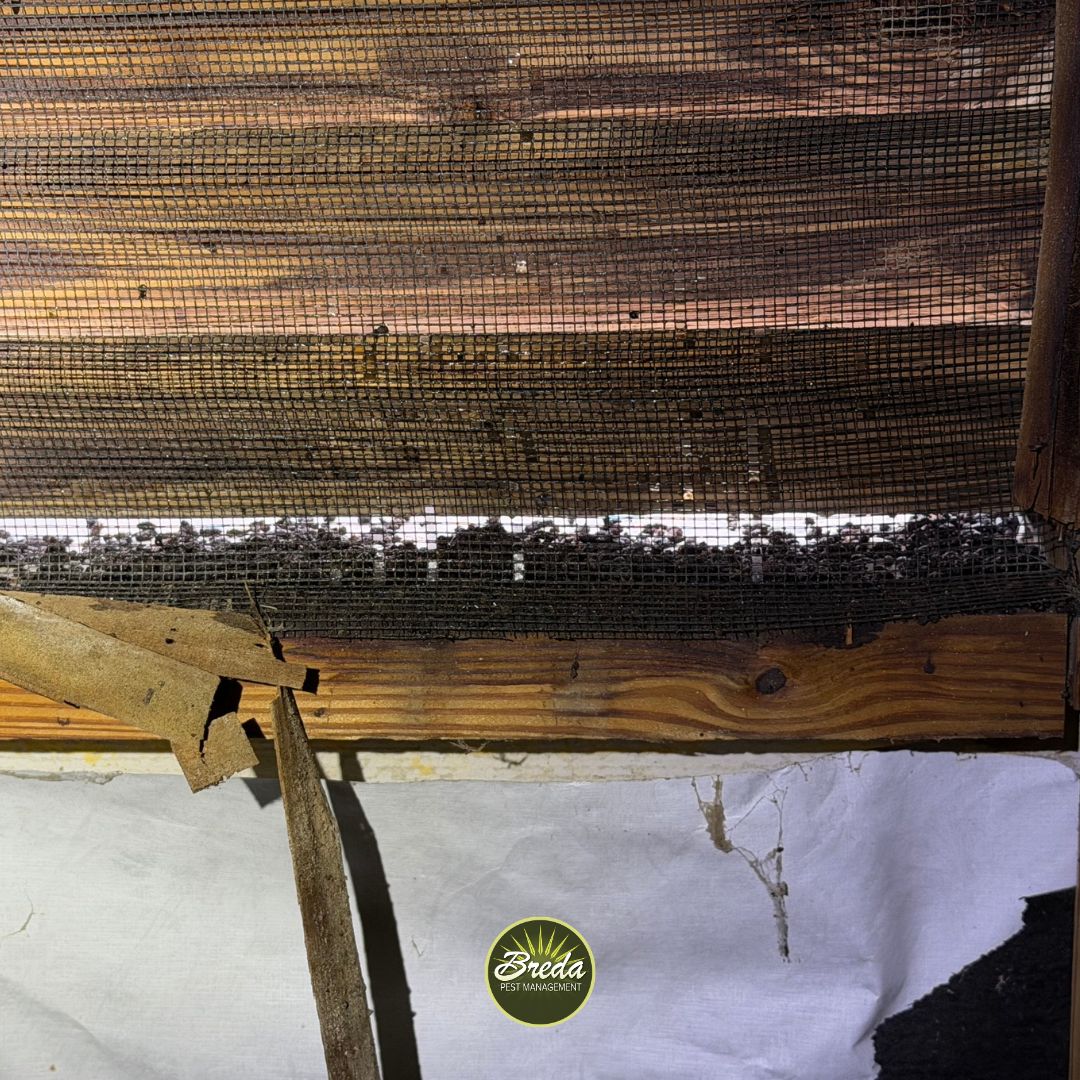
Bats do not need a dramatic hole in the roof to enter. The CDC reports that some bats can fit through openings as small as one-quarter inch. That means a gap that looks insignificant to you can look like a perfectly good front door to a bat. 10 practical DIY prevention steps:
- Inspect the exterior of your home. Look for gaps around the roofline, soffits, fascia, chimney, vents, flashing, siding, and areas where two building materials meet.
- Seal unused openings before bats move in. Caulk small cracks and repair deteriorated materials. Never seal a hole until you are certain bats are not actively using it.
- Protect attic and gable vents. Install properly fitted bat-proof vent covers or durable hardware cloth without blocking necessary ventilation.
- Trim branches near the roof. Bats can fly directly to an opening, but overhanging trees can create sheltered approaches and make it harder to inspect or maintain your roofline.
- Watch the house at sunset. Spend 15 to 20 minutes outside and look for bats emerging from one particular area.
- Keep exterior maintenance current. Replace damaged shingles, repair soffits and fascia, maintain roof flashing, and keep your chimney cap secure.
- Reduce excessive insect activity. Bats follow their food. Reducing insect pressure around the house may make the immediate area less attractive, although it is not a substitute for sealing entry points.
- Turn off unnecessary exterior lights. Outdoor lights attract insects, which can attract hunting bats. Reducing nighttime lighting may also help decrease spider activity around doors and windows.
- Eliminate standing water. Empty water from buckets, toys, clogged gutters, plant saucers, birdbaths, and other containers where mosquitoes reproduce.
- Remove decaying organic debris. Keep leaves, grass clippings, fallen fruit, and other damp organic material from accumulating around the home.
Because mosquitoes are one of several insects bats may feed on, professional mosquito control from BREDA can be part of a broader plan for reducing pest activity around your yard. Our mosquito program targets resting and breeding areas while avoiding flowering shrubs and trees whenever possible.
What Not to Do When Bats Are Living in Your Home
There's a big difference between DIY bat prevention and DIY bat removal. If bats are already inside, one wrong move can turn an attic problem into a wall problem, an odor problem, or a bat-flying-through-your-bedroom problem.
Never do the following:
- Use poisons, pesticides, glue traps, or lethal removal methods
- Permanently seal an opening while bats are actively using it
- Handle a bat with bare hands
- Disturb or sweep accumulated guano
- Attempt to remove a maternity colony without understanding the timing
Sealing an active opening can trap bats inside the attic or walls, where they may die and create odor and sanitation problems. It can also force them deeper into the structure or into your living space.
Timing is especially important from April 1 through July 31, which the Georgia Department of Natural Resources identifies as bat maternity season. During this period, pups may be unable to fly. If their mothers are locked outside, the pups cannot survive. If adult bats are sealed inside, they cannot leave to feed. Georgia DNR advises avoiding exclusions during this period unless the work is performed by a licensed Nuisance Wildlife Control Operator. ld also avoid disturbing guano piles. Large accumulations should be evaluated and cleaned by trained professionals rather than swept or vacuumed without proper equipment. UGA Cooperative Extension similarly recommends professional assistance when bats have occupied an attic for years or significant droppings have accumulated.
Professional bat control Metro Atlanta homeowners can trust should focus on exclusion—not extermination.
During a bat exclusion, the goal is to identify the bats' active opening, allow them to leave safely, prevent them from returning, and secure the other vulnerable areas around the home.
Our approach to wildlife exclusion in Atlanta GA goes beyond patching the most obvious hole. We inspect and secure the roofline and foundation, address potential wildlife entry points, and provide disinfection and deodorization services for affected areas. Our wildlife services also include a renewable guarantee covering rodents, squirrels, and bats.
During maternity season, we can secure the rest of the home while leaving the bats' active opening accessible. Once we are certain there are no flightless pups present, we can complete the full exclusion. This protects the bats while helping prevent them from relocating to another gap in the same structure.
That's the difference between humane bat removal Atlanta GA homeowners can feel good about and a rushed repair that creates a much larger problem. Schedule a free wildlife inspection with us. We will determine whether bats are actually living inside, identify how they're entering, and recommend the safest next step for your home.
Frequently Asked Questions About Bats in Georgia Homes
What are the first signs of bats in an attic?
Common signs include scratching or chirping near dusk, guano beneath an opening, staining around roof gaps, an ammonia-like odor, and bats repeatedly exiting the same section of the home at sunset.
Does seeing bats outside mean they are living in my house?
No. Bats naturally hunt insects around Georgia homes during warmer months. Repeatedly seeing several bats emerge from one opening is more concerning than seeing individual bats flying through the yard.
Can I seal a hole after I see a bat fly out?
Not immediately. Other bats or flightless pups may still be inside. An active opening should only be permanently sealed after the entire colony has safely exited.
When is bat maternity season in Georgia?
Georgia's bat maternity season runs from April 1 through July 31. Exclusions should generally be avoided during this period because young pups may not yet be able to fly.
Can I use pesticides to get rid of bats?
No. Bats should be removed through humane exclusion rather than poisons or pesticides. Lethal methods may also violate wildlife regulations and can leave dead bats inside walls or attics.
What should I do if I find a bat inside a bedroom?
Keep people and pets away from the bat, close the room if possible, and do not handle or release it before speaking with animal control or your local health department. Bat bites can be very small, so possible human or pet contact should be taken seriously. The CDC recommends seeking professional guidance after any potential bat exposure.
Should I call a professional?
Call for professional help when bats are actively entering the structure, several bats may be present, guano has accumulated, the entry point is difficult to reach, or the situation occurs during maternity season.
Bats belong in Georgia's skies—not in your attic. If you suspect you have an active colony, contact us for a free inspection. We will help determine what is happening, protect the bats through properly timed exclusion, and secure your home against the next unwanted guest.
If you find yourself needing pest control and want it handled thoroughly, don't hesitate to give us a call. The BREDA Guarantee promises to fix your pest problem and keep it fixed—no matter the circumstances. Schedule a consultation online or give us a call at 770-466-6700.