

There's nothing quite like hearing scratching in your walls or footsteps in your attic when you're trying to fall asleep. Your first thought might be that it's just the house settling. Your second? Well, hopefully, it's not a mouse.
Unfortunately, when temperatures drop across Georgia, mice and rats look for somewhere warm, safe, and comfortable to settle in. And your home might be exactly what they're looking for.
The good news? Rodents usually leave clues long before you actually see one. Knowing what to look for and taking a few preventive steps now can help you catch unwanted visitors before a small problem turns into a much bigger one.
Why Do Mice and Rats Invade Georgia Homes During Winter?
Georgia might not experience the harsh winters of northern states, but our cooler temperatures still encourage rodents to seek shelter indoors.
According to the University of Georgia's Integrated Pest Management program, house mice, Norway rats, and roof rats are all found in Georgia. These rodents can reproduce year-round, making prevention important even when temperatures are relatively mild.
So, what makes your home so appealing?
- Warmth and shelter: Attics, crawlspaces, garages, basements, and wall voids offer protection from cold weather.
- Food: Pantries, kitchens, pet food bowls, and improperly stored garbage provide easy meals.
- Water: Leaking pipes, dripping faucets, and damp areas offer convenient water sources.
- Nesting opportunities: Insulation, stored belongings, cardboard, and other soft materials make excellent nesting spots.
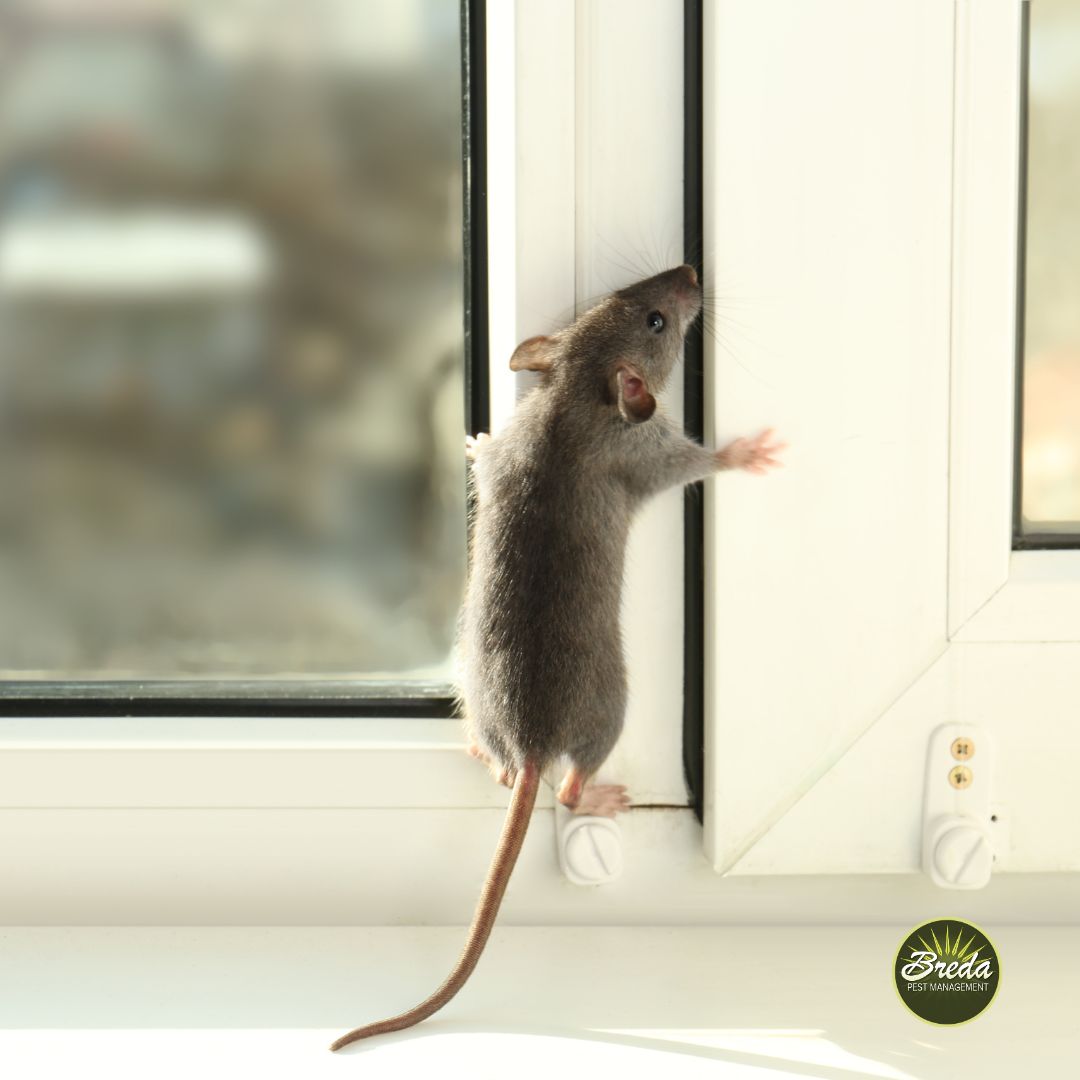
And getting inside is surprisingly easy. The CDC reports that mice can squeeze through openings just ¼ inch wide. That's roughly the width of a pencil! A tiny opening around a utility pipe or a damaged door sweep could be all it takes.
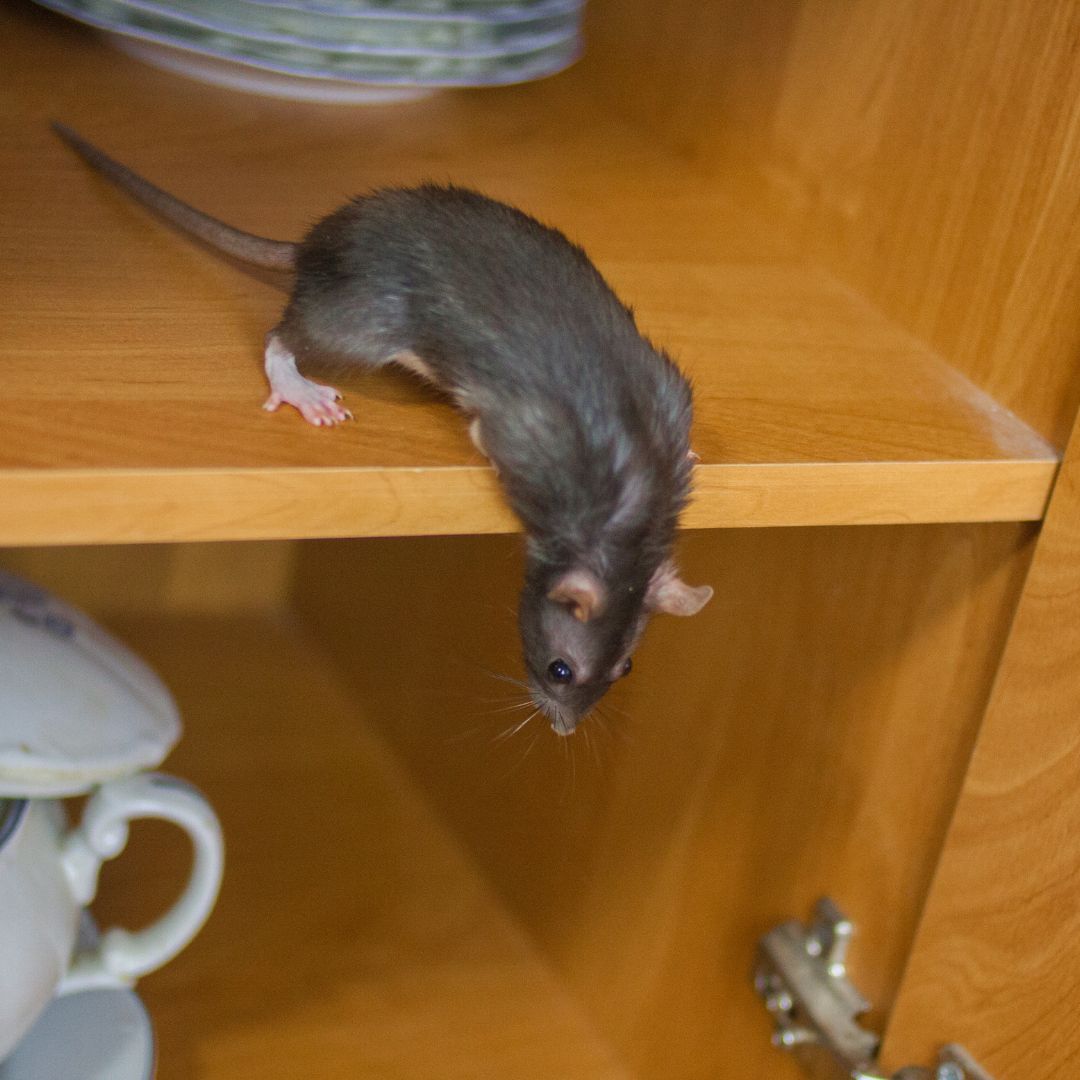
7 Early Warning Signs of Mice and Rats in Your Home
One of the biggest mistakes homeowners make is assuming they don't have a rodent problem just because they haven't actually seen one. Unfortunately, mice and rats are pretty good at staying out of sight.
Here are seven signs of rodent infestation Georgia homeowners should watch for:
- Droppings: Small, dark droppings in kitchen cupboards, pantries, underneath sinks, or behind appliances are common signs of rodent activity.
- Scratching or scurrying noises: Hearing movement inside walls, ceilings, or attics, particularly at night, could indicate rodents are nesting nearby.
- Chewed food packaging: Mice and rats can gnaw through cardboard, plastic packaging, and other materials to access food.
- Damaged wiring or building materials: Rodents chew constantly, meaning electrical wires, insulation, wood, and other household materials can become targets.
- Nesting materials: Shredded paper, fabric, insulation, or cardboard tucked into secluded spaces may indicate an active nest.
- Unusual odors: Persistent musky or urine-like smells around enclosed spaces can be another indication of rodents.
- Small holes or gnaw marks: Damaged vents, chewed openings, or holes around pipes and foundations can reveal how rodents are entering.
The Environmental Protection Agency identifies many of these warning signs as common indicators of rodent infestations. Remember, discovering even one of these signs doesn't necessarily mean you have a large infestation. But it does mean it's time to investigate.
How to Rodent-Proof Your Georgia Home Before Winter
When homeowners ask us how to keep mice out of their houses in Georgia, our advice usually starts in the same place: outside. Preventing rodents from entering is much easier than trying to remove them once they've gotten comfortable.
Here's where to focus your efforts:
- Inspect doors and windows. Replace damaged weatherstripping and install door sweeps wherever gaps exist.
- Check foundations and utility openings. Look for small holes around plumbing, electrical lines, and other areas where utilities enter your home.
- Use durable sealing materials. Metal mesh, hardware cloth, and appropriate sealants can help block potential entry points. Remember, mice can chew through foam, plastic, and rubber, so expanding foam alone isn't a reliable rodent barrier.
- Inspect rooflines and vents. Check soffits, attic vents, roof edges, and garage openings for damage or gaps.
- Look for evidence of existing activity. If rodents are already inside, removal and sealing should be coordinated to ensure animals aren't trapped in your home.
Effective rodent proofing isn't necessarily complicated, but it does require attention to detail. After all, sealing the obvious opening won't accomplish much if there are three other ways for rodents to get inside.
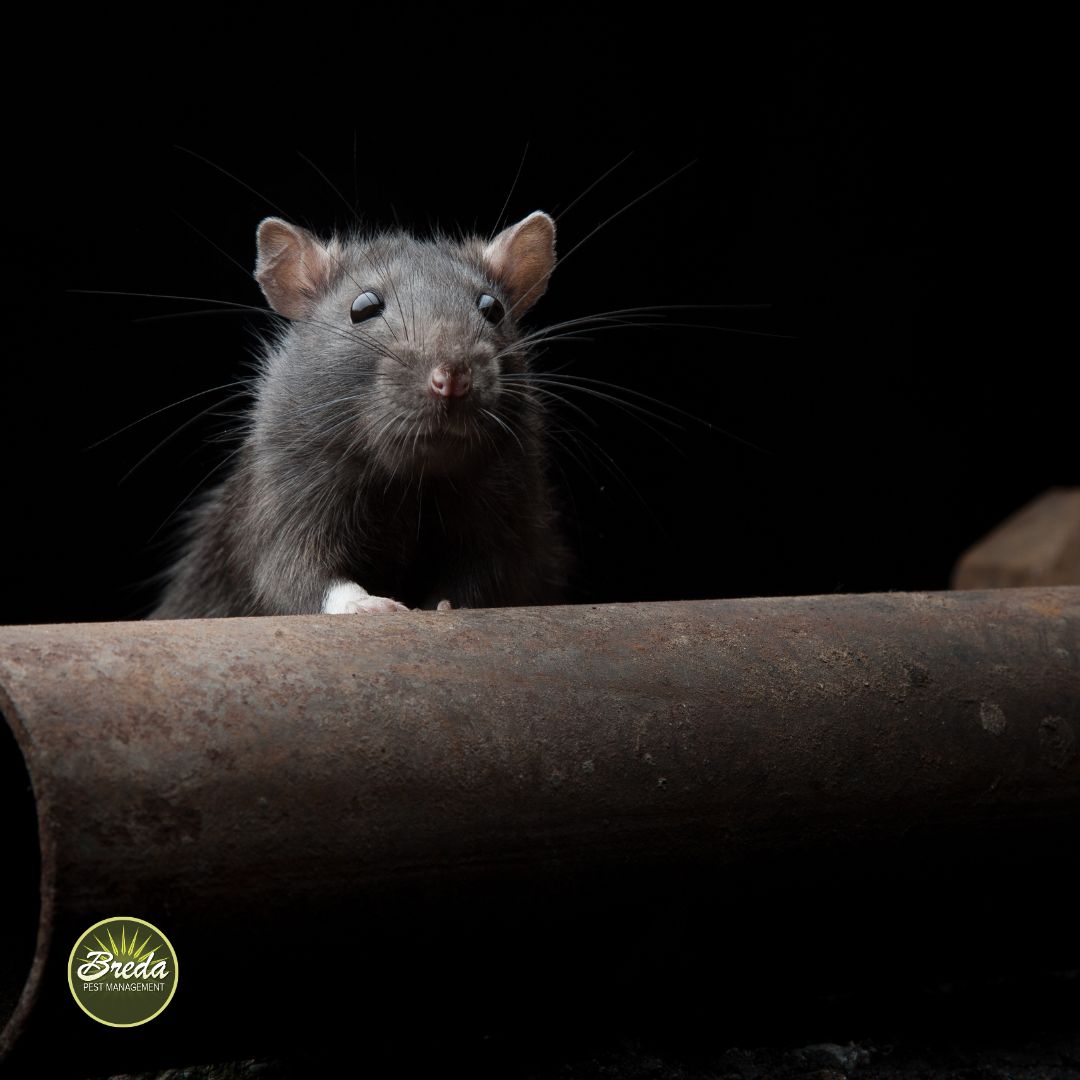
Make Your Home Less Appealing to Rodents
Here's something worth remembering: Rodents aren't particularly picky tenants. If your home offers food, water, and shelter, they're happy to move in. Fortunately, a few changes can make your property considerably less inviting.
Outside your home:
- Keep shrubs and vegetation trimmed away from your house.
- Remove unnecessary clutter, woodpiles, and debris that offer hiding places.
- Store garbage in secure containers with tight-fitting lids.
- Clean up spilled birdseed, pet food, and other potential food sources.
Inside your home:
- Store cereal, grains, snacks, and dry goods in thick plastic, glass, or metal containers with secure lids.
- Avoid leaving pet food and water bowls out overnight.
- Repair leaking faucets and pipes.
- Reduce clutter, especially cardboard boxes, newspapers, and stored fabrics.
- Regularly inspect secluded spaces, including behind appliances and underneath sinks.
These simple habits work alongside exclusion efforts to reduce the risk of an infestation.
Found Evidence of Rodents? Here's What to Do Next
If you've discovered droppings, gnaw marks, or nesting materials, don't ignore them and hope the problem disappears. Rodents reproduce quickly, and early detection can make controlling their activity considerably easier. The CDC recommends inspecting for entry points and using appropriately selected traps when rodents are present. Continue monitoring for activity, even after you've caught one.
One important safety reminder: Never sweep or vacuum dry rodent droppings. Doing so can release contaminated particles into the air. Instead, follow the CDC's rodent cleanup and disinfection guidelines, which explain how to safely disinfect affected areas before removing waste.
If you're finding repeated signs of activity, hearing persistent noises, or discovering damage inside inaccessible spaces, it's time to bring in professional help.
When Should You Call BREDA for Rodent Control?
A mouse trap might catch a mouse, but it won't necessarily tell you how that mouse got inside, whether others are living nearby, or how to prevent the next one from showing up. That's where professional rodent control makes a difference.
At BREDA, we believe protecting your home means paying attention to what's happening both inside and outside. Our comprehensive pest control approach includes inspecting commonly overlooked areas, such as attics and garages, rather than focusing exclusively on the exterior.
Our specialized rat and mouse services address common rodents in Georgia, including house mice, Norway rats, and roof rats. We also provide wildlife exclusion services designed to seal entry points high and low, with a comprehensive, renewable lifetime warranty.
Whether you're searching for mouse control in Atlanta, GA, rat removal in Atlanta, GA, or rodent exclusion in Atlanta, GA, the important thing is identifying the problem and addressing how the animals are getting inside. Catching rodents is only part of the solution. Keeping them from coming back matters, too.
Frequently Asked Questions About Winter Rodent Prevention
Do mice and rats only enter Georgia homes during winter?
No. Mice and rats remain active throughout the year. However, cooler temperatures can encourage rodents to seek warmth and shelter inside homes, making fall and winter important times to check for entry points.
What's the first sign of a mouse infestation?
Droppings, gnaw marks, and scratching noises are among the most common early indicators. Check cupboards, pantries, behind appliances, and other secluded areas regularly.
Can mice really squeeze through tiny holes?
Yes! House mice can enter through an opening approximately ¼ inch wide. That's why inspecting small gaps around foundations, doors, pipes, and utility connections is so important.
How do I know if I have rats in my attic?
Homeowners dealing with suspected rats in attic spaces around Atlanta, GA, often report scratching or scurrying noises, damaged insulation, droppings, or gnaw marks. However, other wildlife can produce similar noises, so a professional inspection can help identify the culprit.
Is it safe to clean up mouse droppings myself?
Small amounts of rodent waste can often be cleaned following CDC recommendations. Wear gloves, wet the droppings thoroughly with an appropriate disinfectant, and follow the recommended cleaning procedure. Never sweep or vacuum dry droppings. Heavy contamination or inaccessible areas may require professional cleanup.
When should I schedule a professional rodent inspection?
If you're noticing repeated droppings, persistent noises, gnaw damage, or evidence of nesting, don't wait until you see a rodent. Scheduling a rodent inspection in Atlanta, GA, can help identify activity and possible entry points before the situation becomes more difficult to manage.
If you find yourself needing pest control and want it handled thoroughly, don't hesitate to give us a call. The BREDA Guarantee promises to fix your pest problem and keep it fixed—no matter the circumstances. Schedule a consultation online or give us a call at 770-466-6700.