
You found a fire ant mound. You treated the fire ant mound. The fire ant mound disappeared. Victory! And then two weeks later, there's another suspicious pile of dirt six feet away, looking like it has absolutely no respect for the work you already put into this.
If you've ever wondered why fire ants seem impossible to completely evict from a Georgia yard, there's a reason: what you see above ground is only a tiny piece of what's actually happening.
When it comes to fire ant control, Atlanta, GA, homeowners need to understand one important distinction: You may have killed the ants you sawâ¦but you might not have eliminated the colony.
Why Do Fire Ants Keep Coming Back in Georgia?
Fire ants are exceptionally good at the whole survival thing. An established fire ant colony isn't made up of a couple of hundred ants hanging out underneath a mound. According to UGA Cooperative Extension's guide to managing imported fire ants, an average colony can contain approximately 100,000 to 500,000 workers. Some colonies have a single queen, while others contain multiple queens.
That's a LOT happening underneath a relatively unimpressive pile of dirt, and most of that activity is happening where you can't see it. Simply killing the ants walking across the surface or even knocking down the visible mound doesn't necessarily mean you've reached the queen or eliminated the colony underground.
Fire ants are also highly adaptable. Colonies can move vertically and horizontally through the soil when they encounter flooding, drought, or extreme temperatures. Multiple-queen colonies can even split and form additional colonies.
So if your Google search has reached some version of "why do fire ants keep coming back Georgia," there's your frustrating answer: They're really, really good at not leaving.

Where Do Fire Ants Go When You Don't See Them?
This is where fire ants can trick homeowners. You walk outside, see very little activity, and assume the problem must be improving.
Not necessarily.
Fire ants spend most of their time underground, and their visibility varies with temperature, moisture, food availability, and overall colony activity.
During hot, dry conditions, much of the colony may move deeper underground where conditions are cooler and more moist. During cooler or wetter periods, ants may move closer to the surface. Mississippi State University Extension explains that fire ants continually move their brood within the nest to find the most favorable temperature and moisture conditions.
And then it rains. Suddenly, there are mounds EVERYWHERE.
Rain doesn't magically manufacture thousands of new ants overnight. Wet conditions can make existing colonies more noticeable because workers move soil, rebuild mounds, and respond to saturated underground galleries.
That's why homeowners may suddenly notice more fire ant mounds in their yards in Georgia neighborhoods after stretches of rain. It's also why "I don't see them anymore" isn't always the same thing as "they're gone."
And No, Every Dirt Mound Is Not Automatically a Fire Ant Mound
Before you declare war on every suspicious bump in the lawn, make sure you know what you're dealing with. Different insects and animals disturb soil, and not every mound automatically means fire ants.
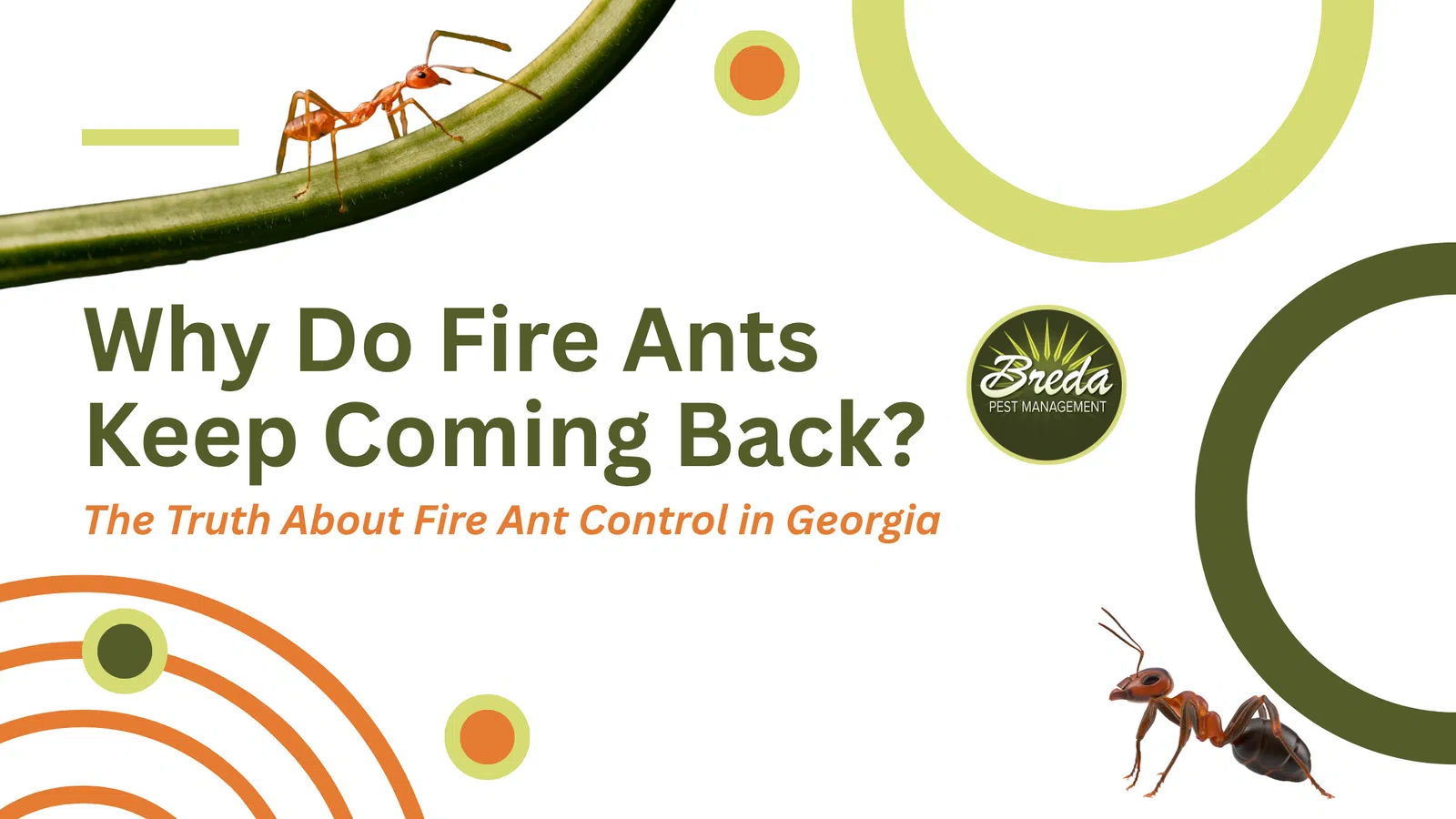
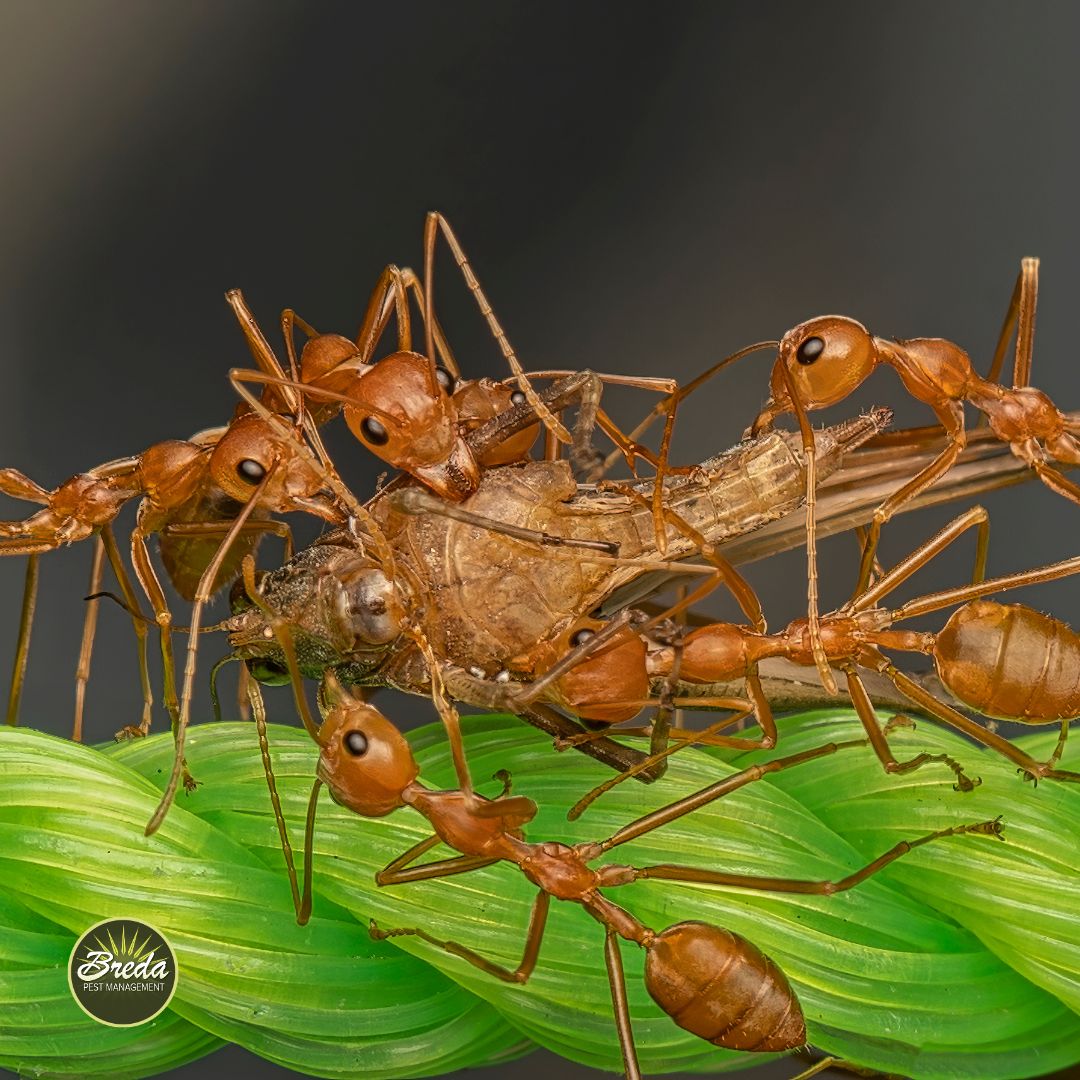
Our BREDA fire ant identification page describes fire ants as aggressive, copper-brown ants with darker abdomens that typically build nests in soil, often in areas with higher moisture such as watered lawns and other damp locations.
Proper identification matters because the right treatment depends on the pest you actually have.
Can You Actually Get Rid of Fire Ants for Good?
This is usually the big question: How do you permanently get rid of fire ants? And unfortunately, there's an important difference between eliminating a colony and guaranteeing that fire ants never return to your property.
You can successfully eliminate existing colonies. What you generally can't do is put an invisible "NO FIRE ANTS ALLOWED" force field around an outdoor property forever.
UGA Extension notes that fire ant eradication over infested areas has not been successful because the ants reproduce rapidly, disperse easily, and can reinvade treated areas. Newly mated queens can establish new colonies, while ants from surrounding properties may eventually move into an area where colonies were previously eliminated. In fact, populations in bait-treated areas can eventually recover if treatments are discontinued.
So when homeowners ask how to get rid of fire ants in Georgia yards, the better goal is usually to control the existing colonies and reduce the chances of reinfestation. That's fire ant management not one magical treatment followed by lifelong immunity.
Why Treating One Mound May Not Be Enough
There are several approaches to fire ant treatment Atlanta GA homeowners may encounter, including:
- Individual mound treatments
- Broadcast treatments across a larger area
- Fire ant baits
- Contact insecticides
- Treatment programs that combine multiple methods
These products don't all work the same way. Baits, for example, rely on foraging worker ants collecting the bait and carrying it back into the colony, where it can eventually affect other members. UGA Extension specifically notes that fresh bait must be applied while ants are actively foraging to be effective.
Individual mound treatments can be useful when there are relatively few colonies. But when fire ants are widespread across a property, treating only the mounds you happen to notice may leave other activity untouched.
UGA's commonly recommended "two-step" approach for larger areas combines broadcast bait treatment with follow-up treatment of remaining nuisance mounds.
Treatment success can also depend on:
- The product being used
- Correct application
- Whether ants are actively foraging
- Temperature and weather conditions
- Moisture and rainfall
- The size of the infestation
- Whether colonies have one queen or multiple queens
- Whether the surrounding properties have active colonies
Basically, fire ant prevention for Georgia homeowners requires a little more strategy than angrily dumping something on the mound you just stepped in.
How Do You Keep Fire Ants From Taking Over Your Yard?
Think ongoing management instead of a one-and-done battle.

A few smart habits can help:
- Walk your property regularly and watch for new mound activity.
- Pay special attention after periods of warm, wet weather.
- Keep grass and landscaping maintained so fresh mounds are easier to spot.
- Address new colonies before they have more time to grow.
- If using pesticides yourself, always read and follow the product label carefully.
- Consider whether whole-yard treatment makes more sense than repeatedly chasing individual mounds.
- Call a professional when infestations are widespread, persistent, or continually returning.
And if you're seeing fire ants in your yard in Georgia properties again and again despite treating them yourself, that's usually your clue that another can of mound killer may not be the long-term answer.
How BREDA Approaches Recurring Fire Ant Problems
At BREDA, we don't believe pest control should be a five-minute visit where somebody sprays something outside and hopes for the best.
Our pest control services are customized around the home and the specific pest problem we're trying to solve. We inspect vulnerable areas, target pests where they live and move, and protect both the interior and exterior of the home rather than relying on a one-size-fits-all treatment.
Our Quarterly Pest Control Program provides service every 90 days, and if pest problems occur between scheduled quarterly visits, our guarantee includes return treatment at no additional charge. That ongoing mindset matters with persistent pests like fire ants.
If you've reached the point where you're searching for a fire ant exterminator Atlanta, GA, homeowners can call because the same problem keeps returning. Professional treatment can help identify how widespread the activity really is and determine a more appropriate long-term strategy.
Professional fire ant control Atlanta GA homeowners receive shouldn't just be about making today's mound disappear. The goal is to manage the colony, reduce reinfestation, and help you actually enjoy your yard again without wondering where the next mound will pop up.
Fire ants are persistent, so your pest control plan should be, too.
Frequently Asked Questions About Fire Ant Control in Georgia
Why do fire ants keep coming back after I treat the mound?
Treating visible ants or knocking down a mound may not eliminate the entire underground colony. Fire ants may also reinvade treated areas from surrounding properties, and newly mated queens can establish entirely new colonies.
Does seeing fewer fire ants mean the colony is dying?
Not necessarily. Fire ant surface activity changes with temperature, rainfall, soil moisture, food availability, and other conditions. Much of the colony can remain underground even when you see very little activity.
Why do fire ant mounds suddenly appear after rain?
Heavy rain can saturate underground nest areas and cause workers to move soil, rebuild, or relocate portions of the colony. The ants may have already been present they simply become much easier to see afterward.
Can you permanently eliminate fire ants from a yard?
An existing colony can be eliminated, but preventing new fire ants from ever entering an outdoor property is much more difficult. Because fire ants can spread from surrounding areas and establish new colonies, long-term control usually requires continued monitoring and management.
Are fire ant baits better than mound treatments?
They serve different purposes. Foraging workers carry bait back toward the colony, while individual mound treatments target known colonies more directly. For properties with widespread activity, Extension specialists often recommend strategies that combine broadcast bait with treatment of remaining problem mounds.
When should I call BREDA for fire ant control?
If fire ants continue returning, you're seeing multiple mounds across the property, DIY treatments aren't solving the problem, or colonies are appearing near play areas, patios, walkways, pets, or other high-traffic spaces, it's time to bring in professional help.
If you're tired of wondering what the pests in or around your home are doing and just want them gone, don't hesitate to give us a call. The BREDA Guarantee promises to protect your home and keep it protected—no matter the circumstances. Schedule an inspection online or give us a call at 770-466-6700.