There's a very specific kind of Georgia fall magic that happens when the first real cool snap arrives. The air finally stops feeling like soup. You put a pumpkin on the porch. Maybe you crack a window. And somewhere outside, a rat, mouse, or squirrel is also enjoying the weather by thinking, You know what would be nice? Their attic.
Rude.
Fall is an important time for rodent prevention in Atlanta, GA, because cooler weather can drive rats, mice, and squirrels to seek shelter. Your attic, crawl space, garage, wall voids, and other quiet parts of your home can check a lot of boxes.
But here's the part homeowners often miss: the first cold snap usually doesn't create a rodent problem. It reveals weaknesses in your home that rodents can exploit. The cold didn't create the gap in your soffit. It just gave something outside a very good reason to find it.
Why Do Rodents Move Into Georgia Homes in the Fall?
Georgia homeowners can encounter Norway rats, roof rats, house mice, and several species of squirrels. While their habits aren't identical, they have something important in common: they're very good at finding shelter.
As temperatures drop and outdoor conditions become less comfortable, a protected structure becomes increasingly attractive. Once inside, rodents can find warmth, nesting areas, and potentially access to food and water. And they don't need you to leave the front door open.
The CDC recommends inspecting homes for openings around roofs, eaves, soffits, foundations, attic and crawl-space vents, doors, windows, and utility penetrations, noting that mice can squeeze through openings only about ¼ inch wide.
That's why, for Georgia homeowners learning how to keep rodents out of your house, you should start with the exterior—not with a trap after something is already running through the attic.
Your Fall Decorations Aren't the Problem. Your Yard Might Be Helping, Though.
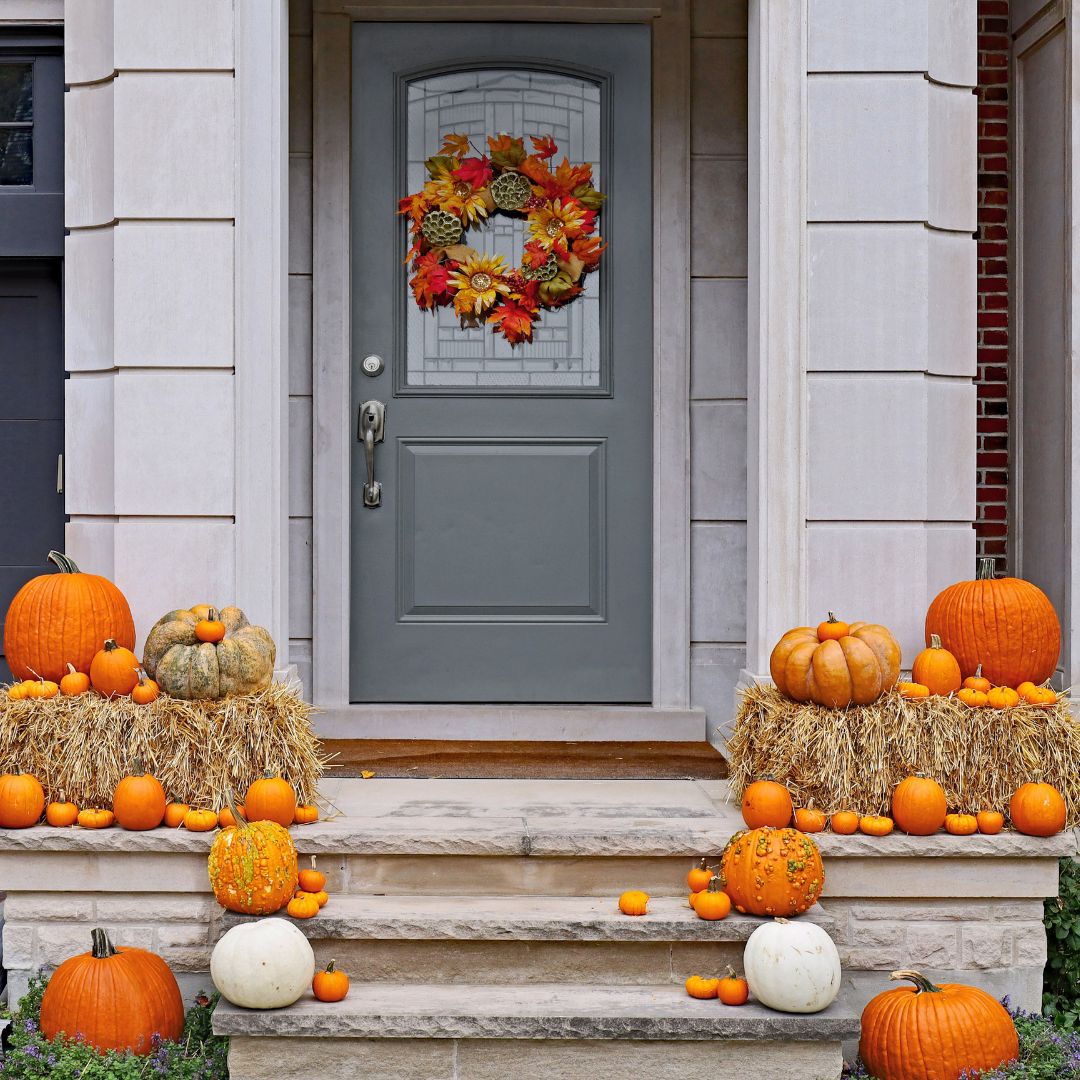
Before we unfairly blame the porch pumpkins: no, putting out fall decorations does not summon rats from the woods. But the areas around your home can provide rodents with food, cover, and places to hide as they explore the property.
Things worth addressing this fall include:
- Brush piles, old boards, leaves, weeds, and other debris near the house
- Firewood stacked directly against the structure
- Accessible trash or compost
- Birdseed that accumulates beneath feeders
- Pet food left outside
- Dense shrubs, vines, or vegetation touching the house
- Fallen nuts, fruit, or other readily available food sources
This isn't just us asking you to clean the yard because your mother is coming over.
UGA Cooperative Extension recommends reducing brush, logs, firewood, debris, trash, and other potential wildlife cover. UGA also notes that excessive vegetation close to a structure can create pest harborage and protected access near the home.
Helpful fact: A tidy perimeter doesn't guarantee you'll never have rodents, but it makes the exterior of your home less inviting and makes potential entry points easier to spot. That's an easy win for fall rodent prevention Georgia homeowners can tackle before temperatures really start dropping.
Scratching in the Attic? Pay Attention to Where You Hear It.
One of the first clues that something has already made itself comfortable may not be a sighting at all. It may be the sound. Homeowners dealing with rats in the attics of Atlanta GA homes or squirrels in the attics of Atlanta GA homes commonly notice noises overhead—especially when the rest of the house is quiet.
Listen for:
- Scratching
- Scurrying or running
- Rummaging
- Chewing or gnawing sounds
And here's something that can genuinely help us during an inspection: remember where you hear the activity most often. "Something is in the attic" is useful. "I hear it almost every night above the master bedroom" is even better. That gives our wildlife team another clue when identifying possible nesting or activity areas.
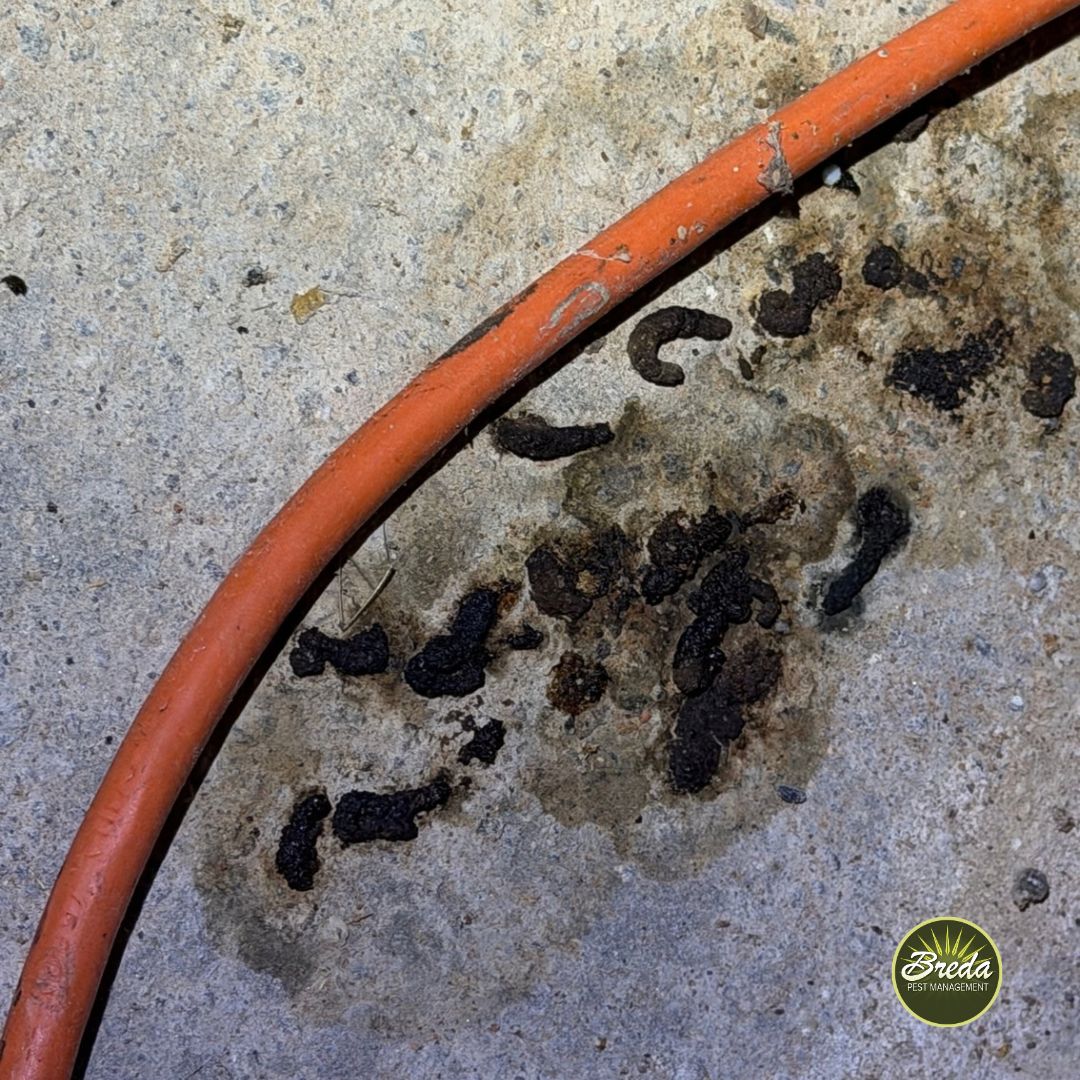
Other evidence may include droppings, gnawed materials, disturbed or loose insulation, or nesting material. The EPA lists droppings, shredded nesting material, chewing damage, and holes through walls or floors among common signs of rats and mice.
Rodents can also damage insulation and other materials as they move through a structure. Rats and mice, in particular, continually gnaw, which is one reason professional mice control in Atlanta, GA, homeowners should address more than simply the animal they happen to see.
Your Fall Rodent Prevention Checklist
If there's one thing we want you to take away from this blog, it's this:
Prevention is much easier before a rodent establishes itself inside your home.
Walk around your property this fall and check:
- Foundation walls for cracks and gaps
- Exterior doors and garage doors for damaged weather seals
- Windows and screens
- Attic, roof, and gable vents
- Soffits and fascia
- Roofline intersections and construction gaps
- Areas around plumbing, electrical, cable, HVAC, and other utility penetrations
- Crawl-space vents and access doors
- Chimneys
- Areas where branches or heavy vegetation reach the roofline
These are some of the most important rodent entry points that Georgia homes can develop over time. UGA's own home-maintenance checklist recommends inspecting exterior framing for signs of rats, squirrels, mice, and other pests and checking foundations for cracks.
Keeping doors closed, replacing worn weather stripping, maintaining intact screens, trimming vegetation, and addressing exterior damage can all reduce opportunities for rodents to get inside. But there's an important difference between spotting a vulnerable area before wildlife enters and sealing an opening when you suspect an animal is already inside. You don't want to accidentally trap wildlife—or separate an adult from young—inside your home.
That's where professional rodent exclusion in Atlanta, GA, becomes important.
Why BREDA Approaches Wildlife Exclusion Differently
When we perform wildlife exclusion, our goal isn't simply to find the hole being used today, patch it, and hope everybody behaves from here on out. Rodents are a little too determined for that plan.
Our approach to wildlife exclusion for Atlanta, GA, homeowners includes inspecting the home, addressing the existing wildlife activity, and protecting vulnerable areas along the roofline and foundation. Rather than performing a partial exclusion only around the known entry point, we focus on preventing future access throughout the structure.
For squirrels, that can include sealing vulnerable construction gaps and other openings with durable materials such as heavy-gauge galvanized metal flashing. Our gray squirrel service explains why simply patching the hole you can see often isn't enough: a determined squirrel can create another way in.
For rats and mice, our rodent control services address roof rats, Norway rats, and house mice, including the damage and gnawing behavior that can come with an infestation.
And our renewable BREDA Wildlife Guarantee covers wildlife activity throughout the home—not just the original hole we sealed. If wildlife creates a new entry point while the guarantee is still in effect, we return to address it.
That's the difference between temporary rodent control Atlanta, GA homeowners may find elsewhere and a long-term strategy built around keeping wildlife out.
Frequently Asked Questions About Fall Rodent Prevention in Georgia
Why do I notice more rodents when the weather turns cold?
Cooler weather can make warm, protected structures more attractive to rats, mice, and squirrels. A cold snap doesn't necessarily cause the infestation; it can increase pressure on existing weaknesses around your home.
What rodents commonly get into Georgia homes?
Georgia homeowners may encounter house mice, Norway rats, roof rats, gray squirrels, and flying squirrels. Different species prefer different areas, which is one reason correctly identifying the animal matters.
Where should I check for rodent entry points?
Start with the foundation, crawl space, doors, garage, utility penetrations, attic vents, soffits, fascia, roofline, chimneys, and any damaged exterior materials. Mice require especially little space to enter.
What should I do if I hear scratching in my attic?
Pay attention to the location and time you hear the noise and look for other evidence such as droppings, disturbed insulation, nesting material, or chewing damage. Avoid sealing an active opening yourself until you know what animal is inside.
Can I vacuum up rodent droppings?
No. The CDC advises against sweeping or vacuuming rodent urine, droppings, or nesting material because doing so can put contaminated particles into the air. The CDC recommends wetting contaminated material thoroughly with an appropriate disinfectant and following its safe-cleanup procedures instead.
When should I call BREDA?
If you hear persistent attic or wall activity, find droppings or gnawing damage, see an obvious entry point, or suspect wildlife is already inside, schedule an inspection before trying to seal things yourself.
The best rodent problem is the one that never gets the chance to become a rodent problem. So before Georgia's next cold snap has you pulling out another blanket, give your home's exterior a once-over, clean up the perimeter, and pay attention to those little noises overhead. And if your attic already sounds like somebody is rearranging furniture at 2 a.m., give us a call. We'll figure out who moved in—and help make sure they move back out.
If you find yourself needing pest control and want it handled thoroughly, don't hesitate to give us a call. The BREDA Guarantee promises to fix your pest problem and keep it fixed—no matter the circumstances. Schedule a consultation online or give us a call at 770-466-6700.