When temperatures start dropping across Georgia, most homeowners breathe a little sigh of relief. The mosquitoes aren't attacking every time you step outside, ants aren't marching across your kitchen counter, and you haven't spotted a cockroach in weeks. Finally, a break from bugs!
But does that mean you can skip your winter pest control treatments and pick things back up when spring rolls around? Short answer: absolutely NOT. Just because you're seeing fewer pests doesn't mean they've disappeared.
In fact, winter can be one of the most important times to maintain your home's pest protection. Here's whyâ¦
Do Bugs Really Go Dormant During Georgia Winters?
Some do, but here's where things get interesting. Certain insects enter a dormant state when temperatures drop, while others remain active in protected areas. Some simply move somewhere warmer. And unfortunately, your home checks a lot of boxes on their "must-haves" list.
According to the University of Georgia's Integrated Pest Management program, rodents and overwintering insects commonly enter homes through cracks and gaps during colder months in search of food and shelter.
Think about it. Your home offers consistent temperatures, reliable food and water sources, and plenty of quiet places to hide. For pests looking to survive the winter, that's practically an open invitation.
1. Cold Weather Can Drive Pests Indoors
One of the biggest misconceptions about winter pests in Georgia homes is that freezing temperatures somehow eliminate the problem. They don't.
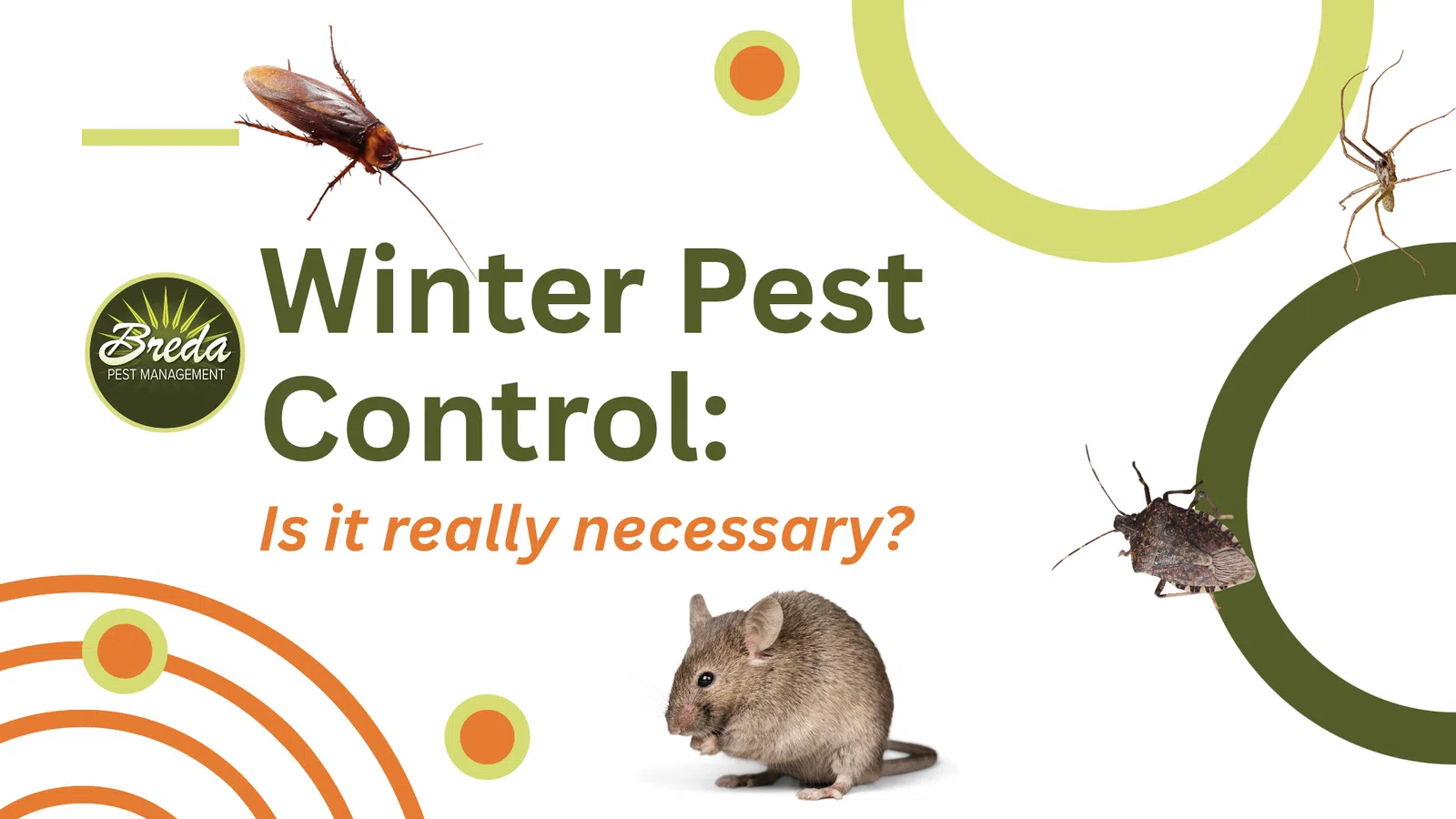
While outdoor pest activity generally slows, some pests seek shelter inside your home, and others may already be living there. Common winter pest concerns include:
- Cockroaches: Warm kitchens, bathrooms, and areas around appliances provide food, moisture, and shelter. German cockroaches can remain active and reproduce indoors year-round.
- Rodents: Mice and rats may enter attics, crawl spaces, and wall voids in search of warmth and nesting opportunities.
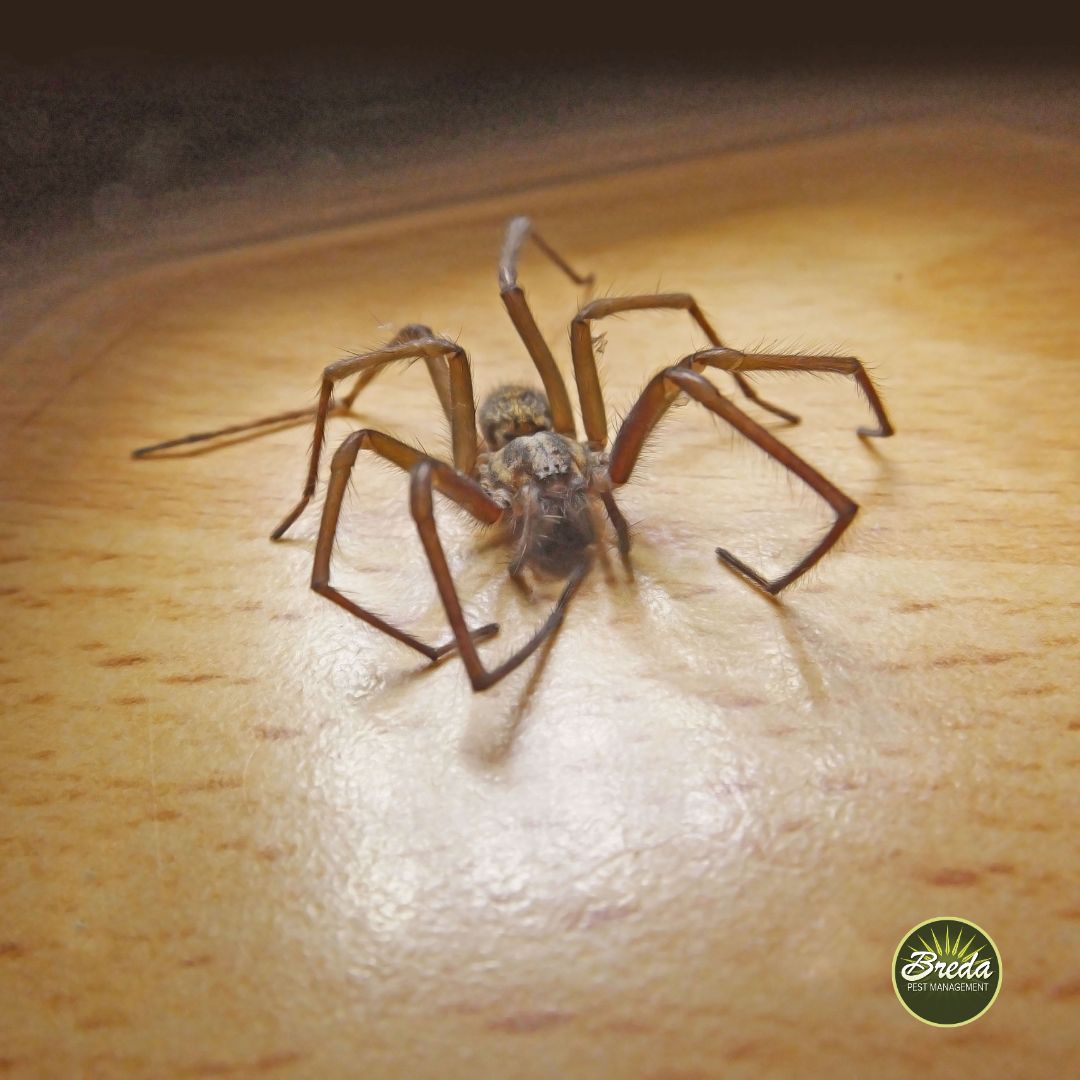
- Spiders: Many spiders survive in protected spaces, including basements, garages, storage areas, and other secluded locations.
- Ants: Some species remain active inside heated buildings, especially where food and moisture are available.
- Overwintering insects: Stink bugs, lady beetles, and other occasional invaders may spend colder months tucked into protected spaces.
The problem isn't necessarily that winter creates more pests. It's that colder weather changes where you're likely to encounter them. And sometimes, that means they're much closer than you'd like.
2. Your Home's Pest Protection Needs Consistent Maintenance
Here's a common question we hear from homeowners: If I'm not seeing bugs, why should I keep paying for pest control?
Because effective pest control isn't just about eliminating the pests you can see. It's also about helping prevent new problems from developing. Our quarterly pest control program is designed to maintain protection around your home year-round.
Over time, preventive products can lose effectiveness due to weather, environmental exposure, and other factors. Regular treatments help maintain that protection while giving our technicians opportunities to identify changing pest activity.
Skipping winter service can leave gaps in your prevention plan, particularly when pests are looking for ways inside. For homeowners considering quarterly pest control in Atlanta, GA, consistency is one of the biggest advantages. Instead of waiting until there's a problem, you're working to reduce the chances of one developing in the first place.
3. Hidden Pest Activity Doesn't Stop Just Because It's Cold
You might not see a single bug throughout January or February. Sounds great, right? Not necessarily.
Pests can remain active in places you rarely look, including:
- Attics and crawlspaces
- Wall voids and insulation
- Basements and storage rooms
- Behind kitchen appliances
- Under sinks and around plumbing
- Garages and utility areas
Certain pests, particularly cockroaches, can continue reproducing inside heated homes even when outdoor temperatures are freezing.
The University of Georgia's cockroach identification and management guide explains that German cockroaches primarily live indoors, often near kitchen appliances and moisture sources. Waiting until spring to address an existing problem could give a hidden population additional time to grow.
Whether you're dealing with cockroach control in Atlanta, GA, or trying to determine why spiders keep appearing in your basement, early detection matters.
4. Prevention Can Help You Avoid Expensive Problems
Let's talk about the part nobody enjoys: unexpected home repairs. Pests don't care how much you've invested in your house, and some of them can cause serious damage before you even realize they're there. Rodents can chew electrical wiring, damage insulation, and contaminate stored belongings. Cockroaches can contaminate food and surfaces, while moisture-loving pests may indicate conditions that deserve attention.
Certain wood-destroying insects can also cause structural damage, requiring specialized evaluation and treatment beyond routine general pest control.
The important takeaway? Preventing pest problems is often less disruptive and less expensive than addressing a well-established infestation. Year-round pest control in Atlanta, GA, helps homeowners take a proactive approach rather than waiting for problems to arise.
5. Winter Is the Perfect Time to Get Ahead of Spring Pest Problems
Here's something Georgia homeowners know all too well: Spring can show up practically overnight. One week you're wearing a winter coat, and the next you're mowing your lawn in 75-degree weather. And when temperatures rise, pest activity often increases right along with them.

Maintaining winter pest prevention in Georgia helps keep your home protected as conditions change. Professional service is only part of the equation, though. The Environmental Protection Agency recommends an integrated approach to pest prevention, including eliminating food and water sources and blocking access to potential hiding places.
A few things you can do this winter include:
- Seal cracks and gaps around doors, windows, foundations, and utility openings.
- Repair leaking faucets and pipes that provide moisture.
- Store pantry items and pet food in tightly sealed containers.
- Remove clutter from garages, basements, and storage areas.
- Keep firewood, leaves, and debris away from your home's foundation.
- Check attics and crawlspaces for signs of pest activity.
These small changes can make a BIG difference when combined with consistent professional pest control.
How BREDA Protects Your Home Throughout the Winter
When it comes to home pest control in Atlanta, GA, we believe protecting the outside of your home is only half the job. After all, what good is an exterior treatment if pests are already living inside?
That's why our Quarterly Pest Control Program addresses both the interior and exterior of your home every 90 days. Our technicians inspect potential entry points, including commonly overlooked areas like attics and garages, and provide targeted treatments tailored to your home's needs.
Inside, we focus on cracks and crevices rather than spraying along exposed baseboards. Outside, we reinforce protective treatment areas around potential pest entry points. We also back our quarterly pest control service with a 90-day guarantee. If covered pest problems arise between scheduled treatments, we'll return for additional treatment at no charge.
And unlike companies that lock homeowners into long-term service contracts, we renew our agreements quarter-to-quarter. Our goal isn't to make pest control complicated. It's to make it easier to protect your home, regardless of the season.
But What About Mosquitoes? Aren't Those Treatments Seasonal?
Yes! And this is an important distinction. Unlike many household pests, mosquito activity and breeding are strongly influenced by temperature and standing water conditions. As water temperatures drop below approximately 60°F, mosquito development generally slows significantly. However, that isn't a universal cutoff, and some species survive winter as dormant eggs or adult females.
The University of Georgia's research on mosquito biology explains how different species survive colder months and become active again when conditions improve. That's why our mosquito control program follows a seasonal schedule rather than our year-round quarterly pest control schedule.
We typically begin mosquito treatments in March, before populations have a chance to build, and continue through the warmer months until frost, depending on local conditions. Starting early helps us get ahead of mosquito season instead of waiting until your backyard becomes their favorite gathering place.
Frequently Asked Questions About Winter Pest Control in Georgia
Is pest control necessary in winter in Georgia?
Yes. Although some outdoor pest activity slows during colder weather, rodents, cockroaches, spiders, and other pests can remain active indoors. Continuing preventive pest control helps address existing activity and reduce the risk of future infestations.
Do bugs die when temperatures drop below freezing?
Some insects die in freezing conditions, while others survive by entering dormancy or sheltering in protected spaces. Heated homes, crawlspaces, attics, and wall voids can provide conditions that allow certain pests to survive winter.
Should I continue quarterly pest control during winter?
Yes. Maintaining quarterly treatments helps prevent gaps in your pest management program. Regular inspections and targeted treatments can identify problems before they become more difficult to control.
What pests are most common inside Georgia homes during winter?
Common winter concerns include cockroaches, rodents, spiders, ants, and occasional invaders such as stink bugs. The pests you encounter depend on your home's conditions, location, and available entry points.
Does winter pest control prevent spring infestations?
Consistent winter prevention can reduce pest activity and help identify problems before spring, but no treatment can guarantee that pests will never return. Combining professional treatments with exclusion, sanitation, and moisture control provides stronger ongoing protection.
When should I schedule mosquito treatments in Georgia?
Our seasonal mosquito program typically begins in March as temperatures start warming. Starting early gives us an opportunity to address mosquito activity before populations increase during spring and summer.
If you're tired of wondering what the pests in or around your home are doing and just want them gone, don't hesitate to give us a call. The BREDA Guarantee promises to protect your home and keep it protected—no matter the circumstances. Schedule an inspection online or give us a call at 770-466-6700.