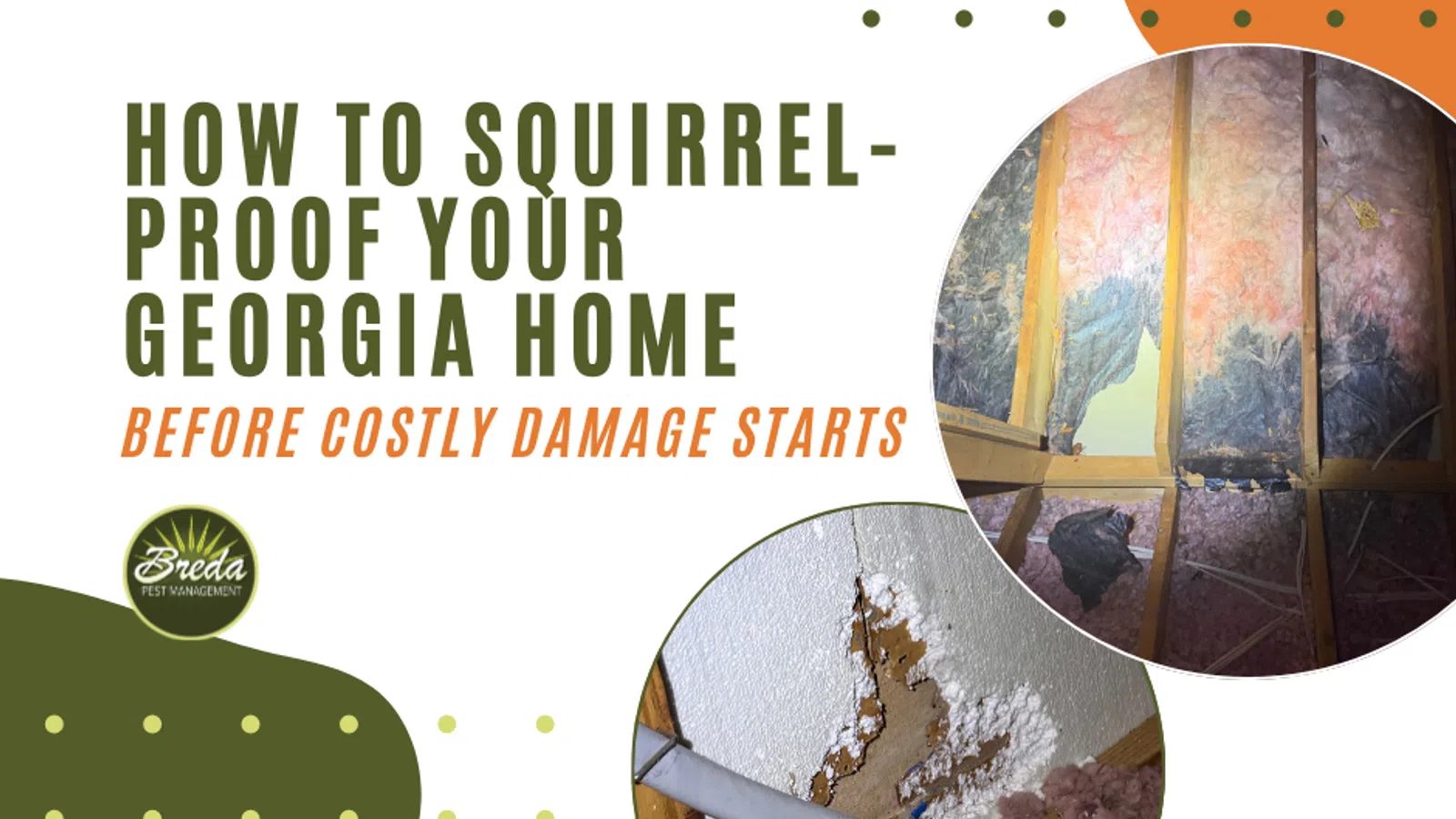
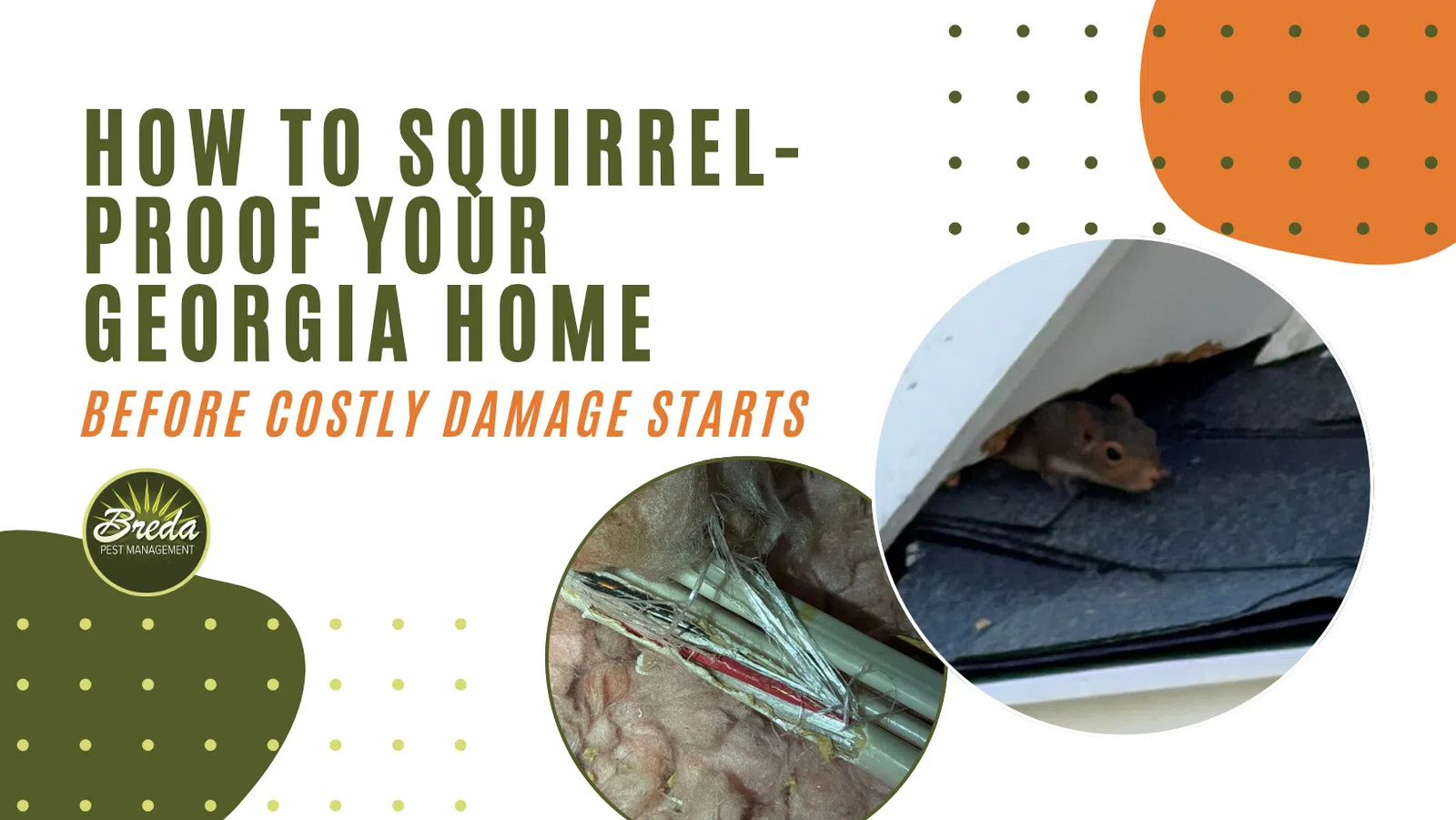
Squirrels are impressive little athletes. They can run across utility lines, launch themselves from tree branches, climb just about any structure, and somehow navigate a roof like they've been paying the mortgage. Unfortunately, all that athletic ability becomes considerably less impressive when they're using it to get into your attic.
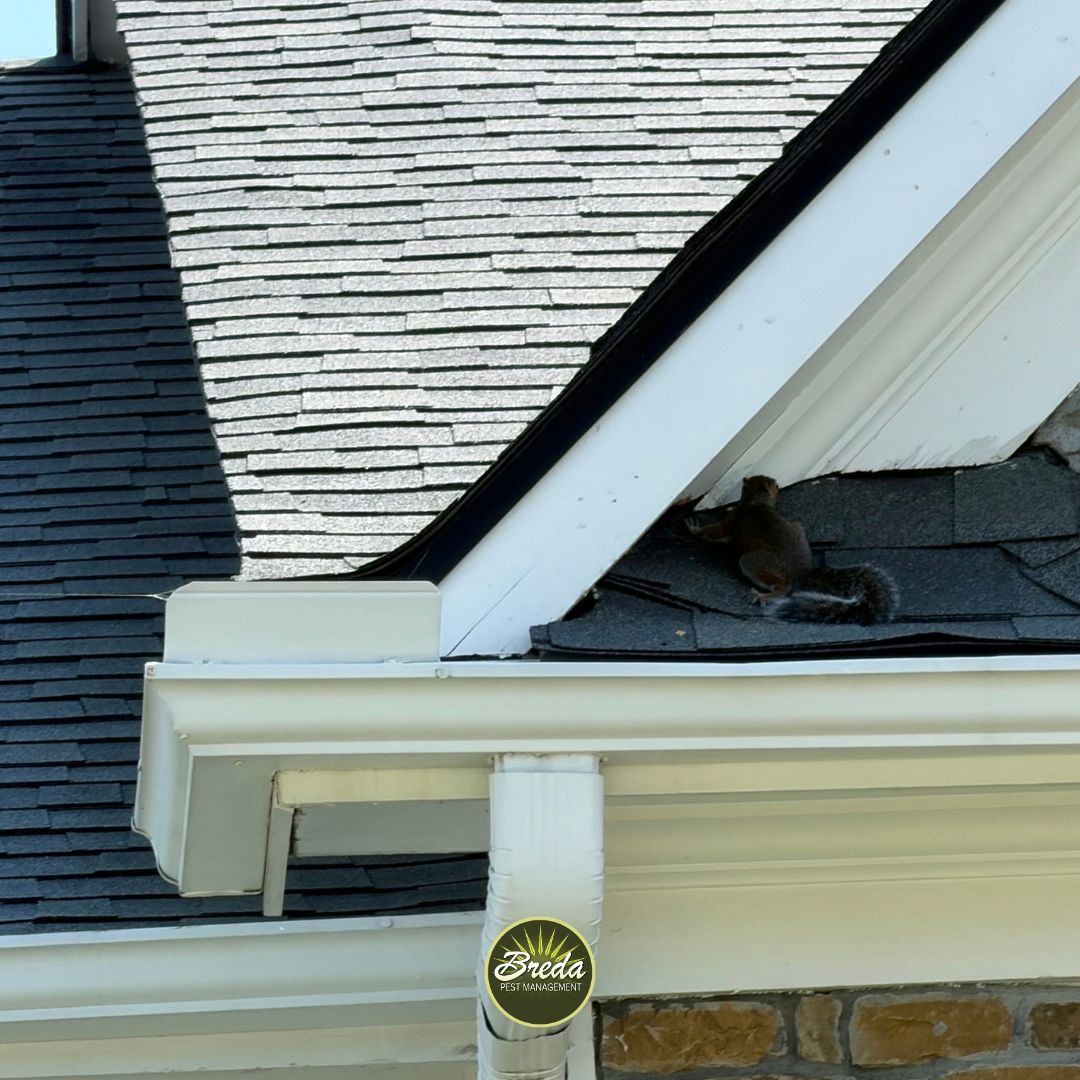
Squirrels don't necessarily need a giant, cartoon-sized hole in the side of your house to move themselves in. In many cases, they just find a small weakness—a deteriorating soffit, damaged vent, loose section of fascia, or gap along the roofline—and make it bigger. And once your attic becomes a reliable source of shelter and protected nesting space, squirrels may return to the same structure repeatedly.
That's why squirrel-proofing your Georgia home isn't just about getting one squirrel out. It's about figuring out how it got in and making sure the next one can't follow.
Squirrels Don't Need an Open Door
One of the biggest misconceptions about squirrel problems is that there must already be a large opening somewhere on the house.
Not necessarily.
Squirrels are rodents, which means gnawing comes naturally. Their teeth grow continuously, so they'll chew wood and other building materials to maintain them. A relatively small weakness in your home's exterior can become a much larger access point once a determined squirrel gets involved.
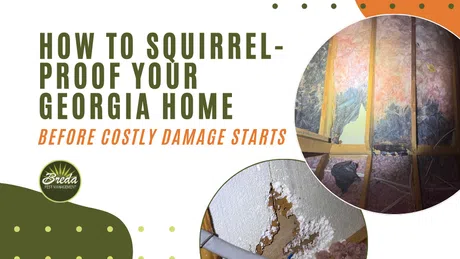
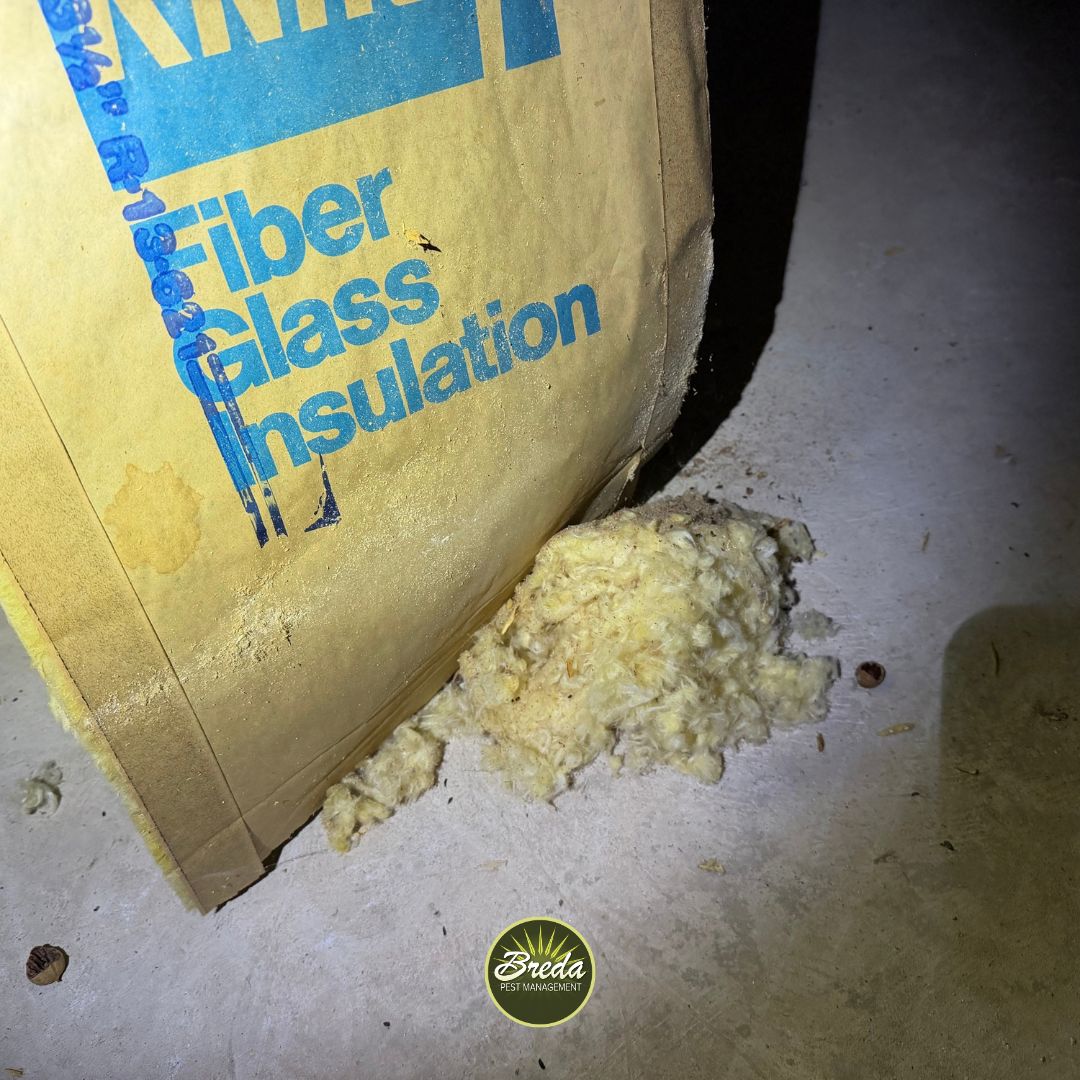
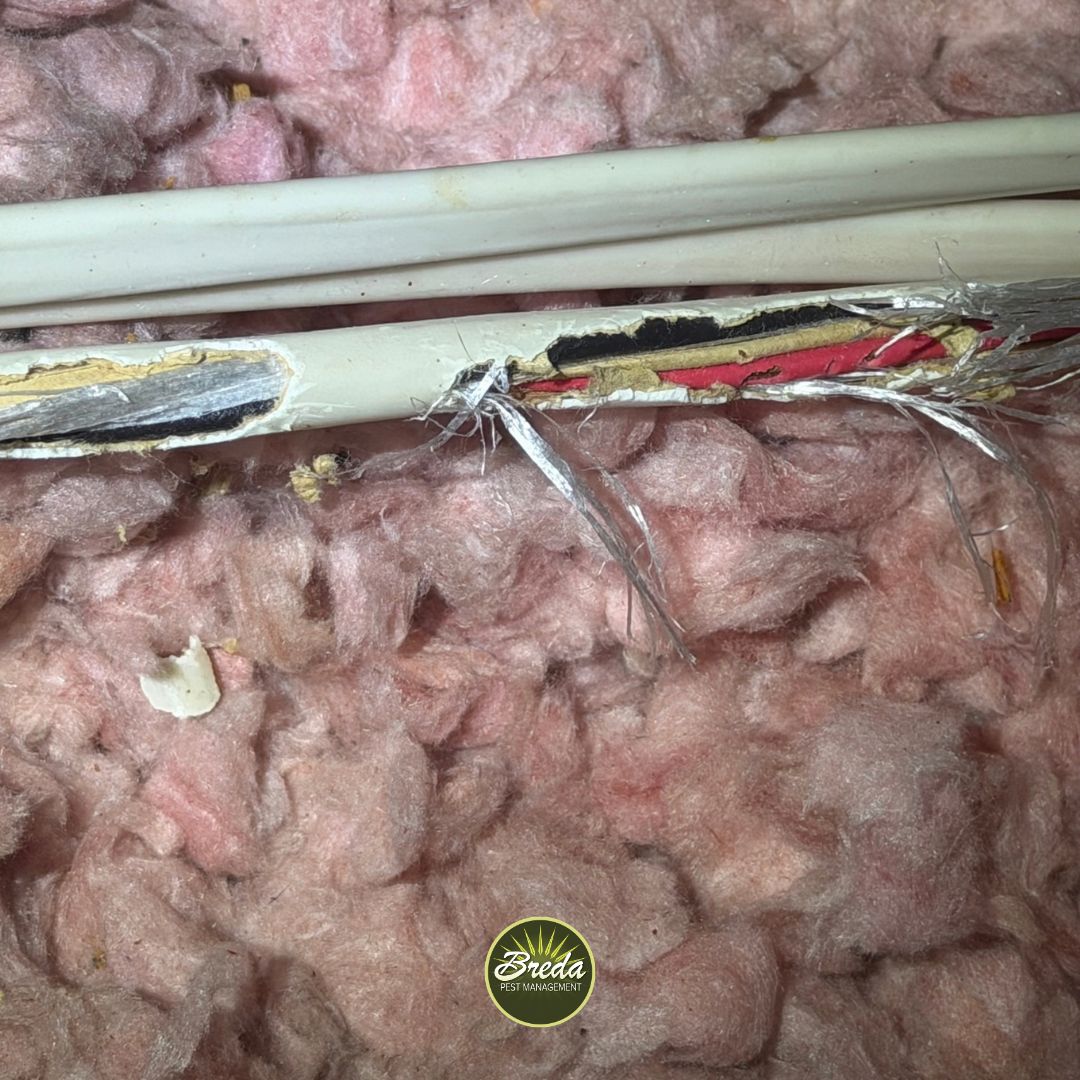
UGA Extension notes that squirrels can gnaw through siding, soffits, and roofing materials to gain access to attics. Once inside, they can also damage insulation and electrical wiring.
So when homeowners ask us how to squirrel-proof Georgia properties, we tell them they need more than a quick check of the one obvious hole. Look at the whole structure.
6 Common Squirrel Entry Points on Georgia Homes
If you're working on squirrel attic prevention, Georgia homeowners should start at the roofline.
Grab your binoculars—or keep both feet safely on the ground and call us—and look for these common vulnerabilities:
1. Rooflines and Eaves
Anywhere two sections of roofing or building materials meet can create a potential weakness. Small construction gaps, deteriorated materials, and damaged roof edges may give squirrels something they can enlarge.
2. Soffits
Damaged, rotting, or loose soffits can create relatively easy access to attic spaces.
Once a squirrel discovers a weak section, chewing can turn a small problem into an entrance.
3. Fascia Boards
Your fascia runs along the edge of the roof and can become vulnerable when moisture, age, or previous wildlife activity causes deterioration.
Our own gray squirrel information at BREDA explains how gray squirrels can cause significant damage around soffit and fascia areas and may exploit construction gaps to reach an attic.
4. Attic and Roof Vents
A damaged, unscreened, or poorly protected vent can essentially become a squirrel-sized front door. Vents still need airflow, so squirrel entry point sealing Atlanta GA homeowners undertake should use appropriate materials rather than simply blocking ventilation.
5. Chimneys
An uncapped chimney can provide wildlife with direct access to the structure. UGA Extension recommends properly capping chimneys and maintaining soffit and gable vents as part of keeping wildlife out of buildings.
6. Utility Openings
Electrical lines, cables, pipes, HVAC components, and other utilities have to enter your home somewhere. Gaps around those penetrations can become squirrel entry points Georgia homes develop over time, especially as sealants and surrounding building materials deteriorate.
Small gap. Big squirrel problem.
Walk the Entire House—Not Just Where You Saw the Squirrel
Here's where squirrel prevention for Atlanta GA homeowners can borrow a page from professional wildlife inspections: Don't assume the first hole you notice is the only hole.
Walk around the exterior and inspect the entire roofline. Look at:
- Soffits and fascia
- Roof and gable vents
- Chimney caps
- Areas where different roof sections meet
- Utility penetrations
- Damaged or deteriorating wood
- Gaps beneath roofing materials
- Previous repairs or patches
- Areas showing fresh gnaw marks
UGA's home-maintenance guidance recommends routinely inspecting exterior materials for signs of squirrels and other pests, sealing openings, repairing deteriorated materials, and trimming branches that overhang the roof.
And if inspecting a second-story roofline isn't exactly how you planned to spend your Saturday, that's okay. BREDA offers a complimentary wildlife inspection and estimate so we can do the looking for you.
Make the Roof Harder to Reach
Squirrels don't need a ladder. Tree canopies naturally act like elevated travel corridors, and an overhanging branch can make getting onto your roof ridiculously easy. UGA specifically recommends denying squirrels access to the roof as one of the best ways to help keep them out of the attic.
When practical, trim branches that provide easy access to the house. Just remember: trees aren't the only route. Squirrels may also use:
- Utility lines
- Fences
- Porch posts
- Decks
- Gutters
- Nearby structures
So trimming one branch doesn't magically create a squirrel force field.
The goal is to reduce the easiest access routes while also making sure the structure itself is properly secured.
The Georgia Department of Natural Resources also recommends reducing the food, water, and shelter sources that can contribute to wildlife conflicts around homes.
Removal and Exclusion Are Not the Same Thing
This is probably the most important part: Removal gets the animal out. Exclusion keeps the animal from getting back in.
Catching the squirrel living in your attic solves today's problem. It doesn't necessarily solve tomorrow's. The same applies to repairing damage. If a squirrel chewed electrical wiring, repairing the wire is obviously important—but it only fixes the consequence. It doesn't address how the squirrel reached the attic in the first place.
Professional Atlanta GA squirrel removal and exclusion services should address both. At BREDA, our wildlife control and exclusion service includes removing nuisance wildlife, sealing the home's roofline and foundation, and disinfecting and deodorizing affected areas. Rather than performing a partial exclusion around only the known entry point, we secure potential access areas across the structure.
That's the difference between patching a squirrel hole and actually squirrel-proofing a home.
Don't Seal an Active Hole Without Knowing What's Inside
You found the hole. Great! Now don't immediately stuff something into it.
If a squirrel—or dependent young—is still inside, sealing the opening can create a much bigger problem. A trapped adult may begin chewing aggressively to escape, while a mother locked away from her young may work extremely hard to regain access.
Guidance on tree squirrels from wildlife professionals similarly warns that openings should not be closed in a way that traps animals inside.
Proper squirrel exclusion Atlanta GA homes require means determining:
- Whether wildlife is currently inside.
- Whether dependent young may be present.
- Which openings are actively being used.
- Whether additional potential entry points exist.
- How the animals can be removed or excluded safely.
- How those vulnerabilities should be permanently secured afterward.
This is why wildlife exclusion is more involved than finding one hole and filling it with whatever happens to be in the garage. So pleaseâ¦put the can of expanding foam down.
What Does Professional Wildlife Exclusion Look Like?
For homeowners comparing wildlife exclusion Atlanta GA services, look for a company that's evaluating the whole house, not just the most obvious entry point.
BREDA's process begins with a complimentary inspection. If wildlife is present, our team can trap and remove the animals, clear nesting material, disinfect and deodorize affected areas, and seal entry points along the roofline and foundation.
Our wildlife exclusion services also include the renewable BREDA Wildlife Guarantee. If covered wildlife returns, we come back to address the activity, including new entry points, according to the terms of the guarantee. For squirrel proofing Atlanta GA homes, that whole-home approach matters because squirrels are persistent.
Fix the hole they used yesterday, and an unsecured weakness five feet away may become tomorrow's door.
Squirrel-Proofing FAQs
How do squirrels get into Georgia attics?
Squirrels commonly exploit gaps and deteriorated materials around rooflines, eaves, soffits, fascia boards, vents, chimneys, and utility penetrations. They can also gnaw vulnerable materials to enlarge an existing weakness.
How can I keep squirrels out of my attic in Georgia?
For homeowners researching how to keep squirrels out of attic Georgia solutions, start by inspecting the entire roofline, repairing deteriorated building materials, protecting vents and chimneys, trimming easy roof-access branches when practical, and sealing potential entry points—but only after confirming wildlife isn't trapped inside.
Can squirrels come back after being removed?
Yes. If the structure still provides an accessible entry point and protected nesting area, another squirrel—or even the same squirrel—may attempt to use it again. That's why exclusion is an important part of long-term prevention.
Should I just seal the squirrel hole myself?
Not while you suspect squirrels are still inside. You could trap an animal or dependent young in the structure. A professional inspection can determine how the opening is being used and how to address it safely.
Does trimming trees keep squirrels off the roof?
It can help reduce easy access, especially when branches overhang the house, but squirrels can also travel using utility lines, fences, posts, decks, and other elevated structures. Tree trimming should be one part of a larger prevention strategy.
What's the difference between squirrel removal and squirrel exclusion?
Removal addresses the wildlife currently inside the structure. Exclusion addresses how wildlife is getting inside and physically secures vulnerable areas to help prevent future entry.
Does BREDA charge for wildlife inspections?
No. BREDA currently offers complimentary wildlife inspections and estimates. Our inspector evaluates the situation and recommends the appropriate removal and exclusion plan.
Don't Wait for a Small Opening to Become a Big Repair
A squirrel usually doesn't need to smash its way into a perfectly sealed house. It finds the weakness that's already there, then it improves the entrance.
If you're seeing squirrels repeatedly running across your roof, hearing daytime scratching in the attic, noticing damaged soffits or fascia, or wondering whether your home has vulnerable entry points, don't wait until you have chewed wiring, destroyed insulation, or a squirrel family overhead.
Start with the roofline. Look for the weaknesses. Reduce easy access where you can. And if you'd rather not spend your afternoon standing in the yard staring suspiciously at your soffits, we're happy to help.
Schedule a free wildlife inspection with BREDA. We'll figure out how they're getting in, get them out if necessary, and help keep them from turning your attic into their preferred Georgia real estate.
Because getting the squirrel out is good. Keeping it out is better.
If you're tired of wondering what the pests in or around your home are doing and just want them gone, don't hesitate to give us a call. The BREDA Guarantee promises to protect your home and keep it protected—no matter the circumstances. Schedule an inspection online or give us a call at 770-466-6700.