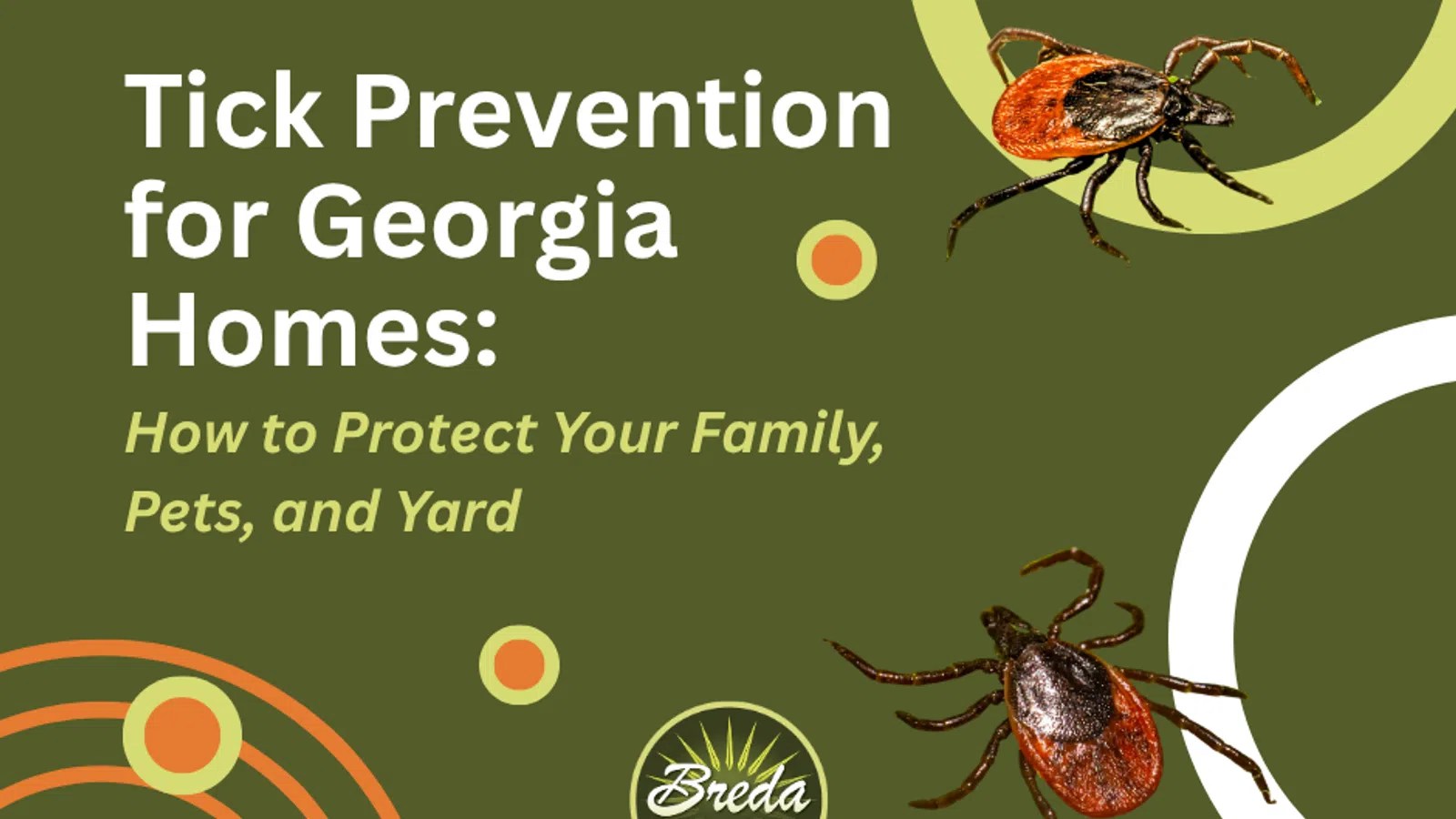
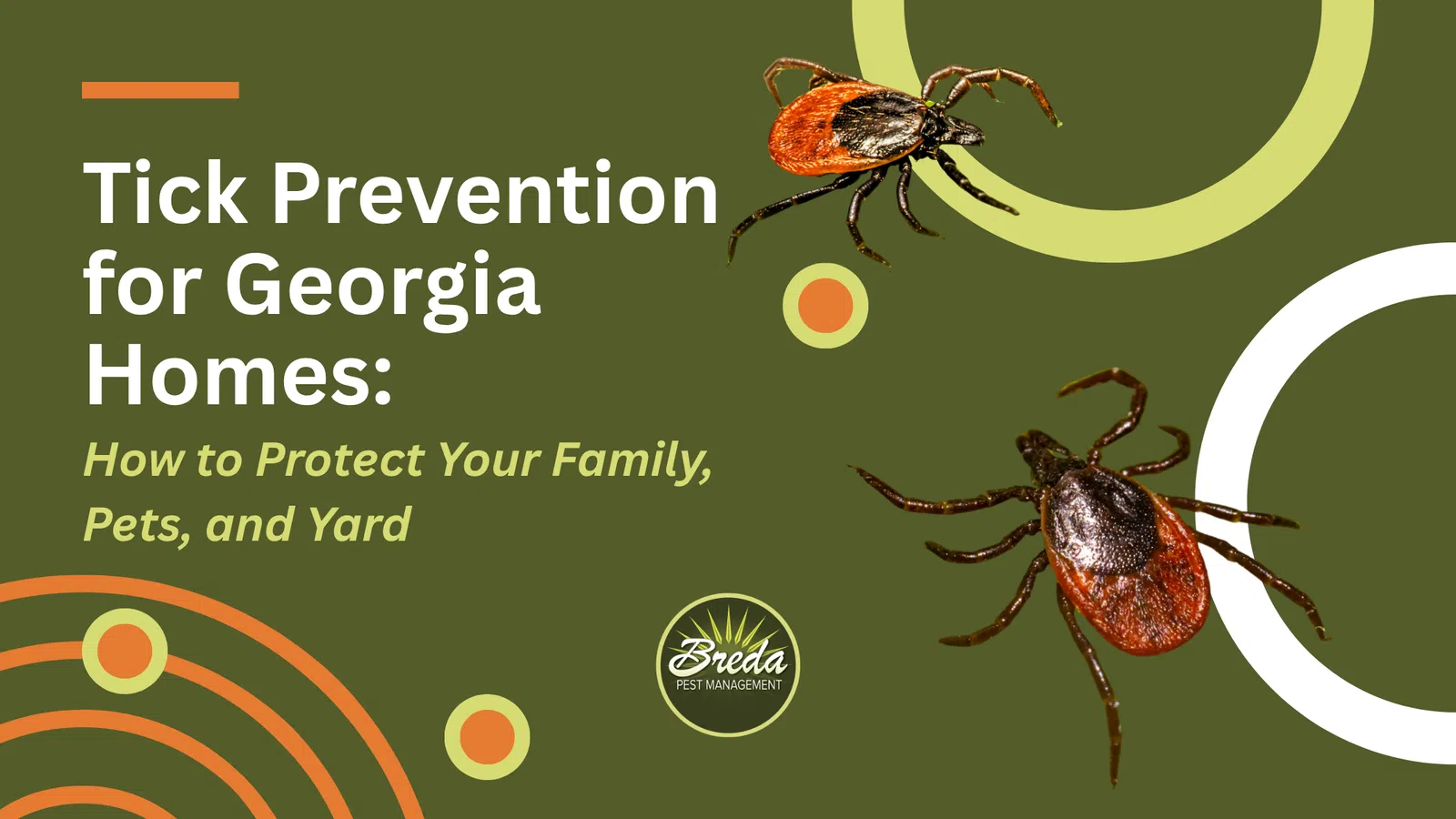
Here in Georgia, ticks aren't just a hiking-trail problem. They can show up in suburban yards, wooded property lines, tall grass, leaf piles, overgrown landscaping, and even on pets who bring them inside after outdoor time. That's why tick prevention Georgia homes can actually keep up with needs to include three things: personal protection, yard maintenance, and professional treatment when tick pressure gets too high.
Let's talk about how to prevent ticks, how to safely remove one from you or your pet, what yard treatments can help, and why our monthly mosquito treatment can also help target ticks.
Why Tick Prevention Starts Before You Go Outside
Ticks are commonly found in tall grass, wooded areas, leaf litter, brush, and dense landscaping. They do not fly or jump. Instead, they wait on grass, shrubs, or low vegetation and attach to a passing host. Very patient. Very rude.
The best prevention starts before you head outdoors.
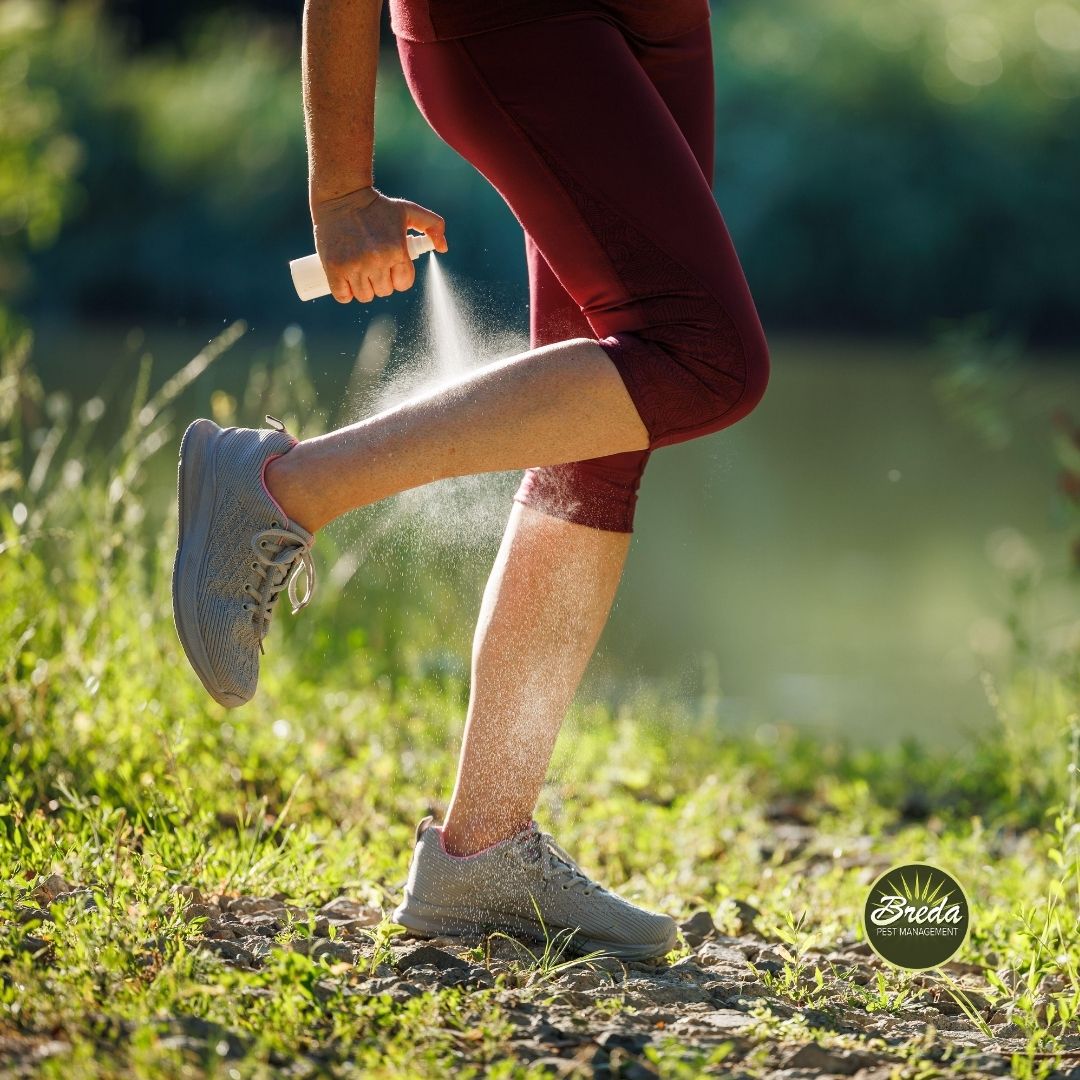
When you're spending time in areas where ticks may be present, wear long sleeves, long pants, and closed-toe shoes when possible. Light-colored clothing can also make it easier to spot crawling ticks before they attach. If you're hiking, gardening, camping, or working near brushy areas, consider tucking pants into socks for extra protection. Fashion? Questionable. Practical? Absolutely.
The CDC recommends using EPA-registered insect repellents that contain ingredients like DEET, picaridin, IR3535, Oil of Lemon Eucalyptus, para-menthane-diol, or 2-undecanone. The EPA also has a helpful repellent search tool that lets you search for products based on whether you need protection from mosquitoes, ticks, or both.
For pets, talk to your veterinarian about year-round tick prevention products. Dogs and cats can pick up ticks in the yard, on walks, or near wooded areas and carry them into the home. A solid pet prevention routine is one of the easiest ways to protect both your pets and your people.
The big takeaway? Prevention starts before you go outdoors and continues with regular yard maintenance and pet protection.
What to Do After Outdoor Time
Once you come inside, do a tick check. Check yourself, your kids, and your pets, especially after time in tall grass, wooded areas, parks, or trails.
Ticks like hidden, warm areas, so check places like:
- Under arms
- Behind knees
- Around the waist
- In and around ears
- Along the hairline
- Between toes
- Around collars, harnesses, and pet ears
The CDC also recommends checking clothing and gear after outdoor time because ticks can hitchhike indoors and attach later.
If you have pets, run your hands slowly over their body and feel for small bumps. Pay close attention to ears, neck, paws, under the collar, and between toes.
How to Safely Remove a Tick
If you find an attached tick, don't panic. And don't reach for nail polish, petroleum jelly, a hot match, essential oils, or anything else from the "internet chaos cabinet."
The safest approach is simple: remove the tick as soon as possible with fine-tipped tweezers.
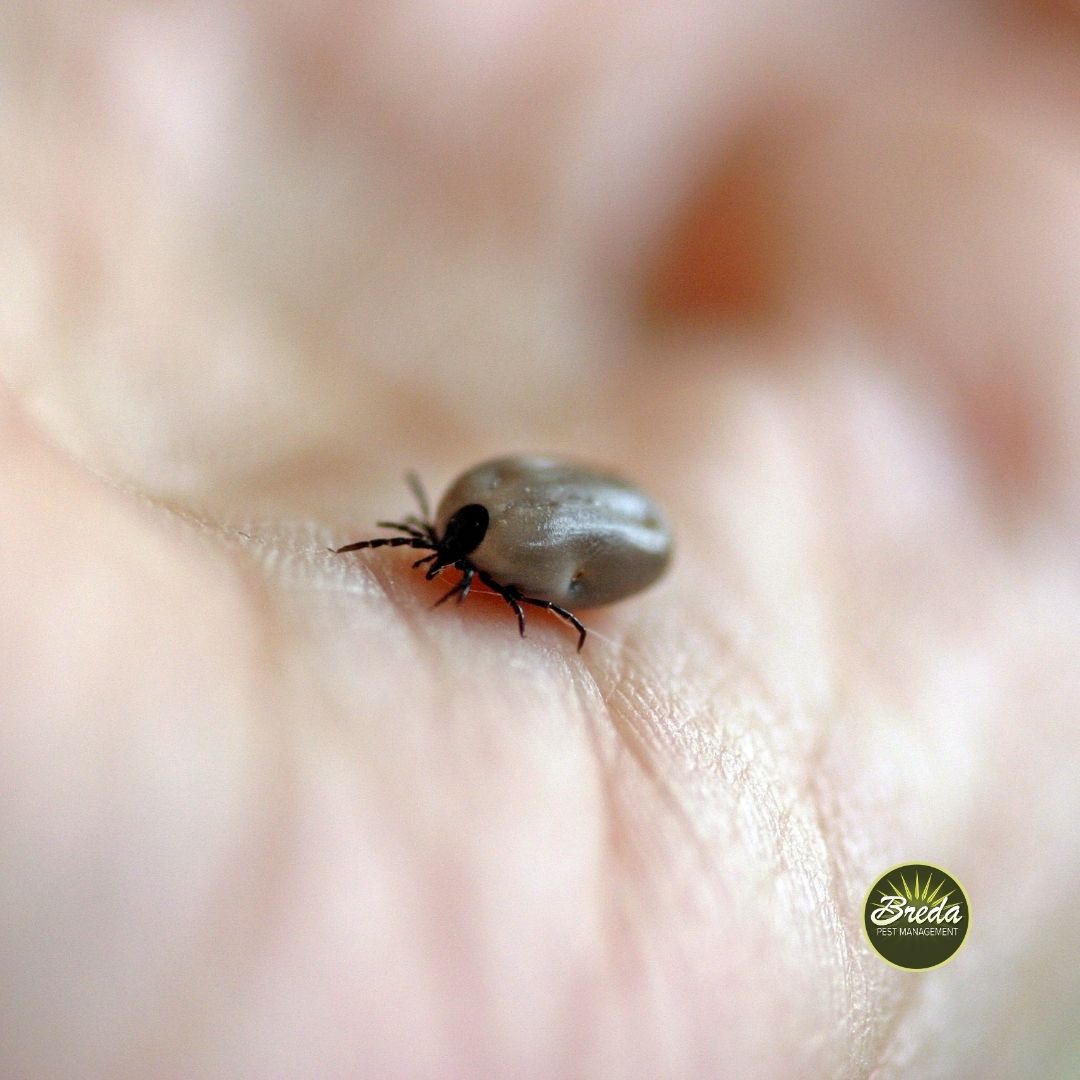
The CDC's tick removal guidance recommends grasping the tick as close to the skin's surface as possible and pulling upward with steady, even pressure. Do not twist or jerk the tick, because that can cause the mouthparts to break off and remain in the skin.
After removal, clean the bite area and your hands with soap and water or rubbing alcohol. Dispose of the tick by placing it in alcohol, sealing it in a container, wrapping it tightly in tape, or flushing it. Do not crush it with your fingers.
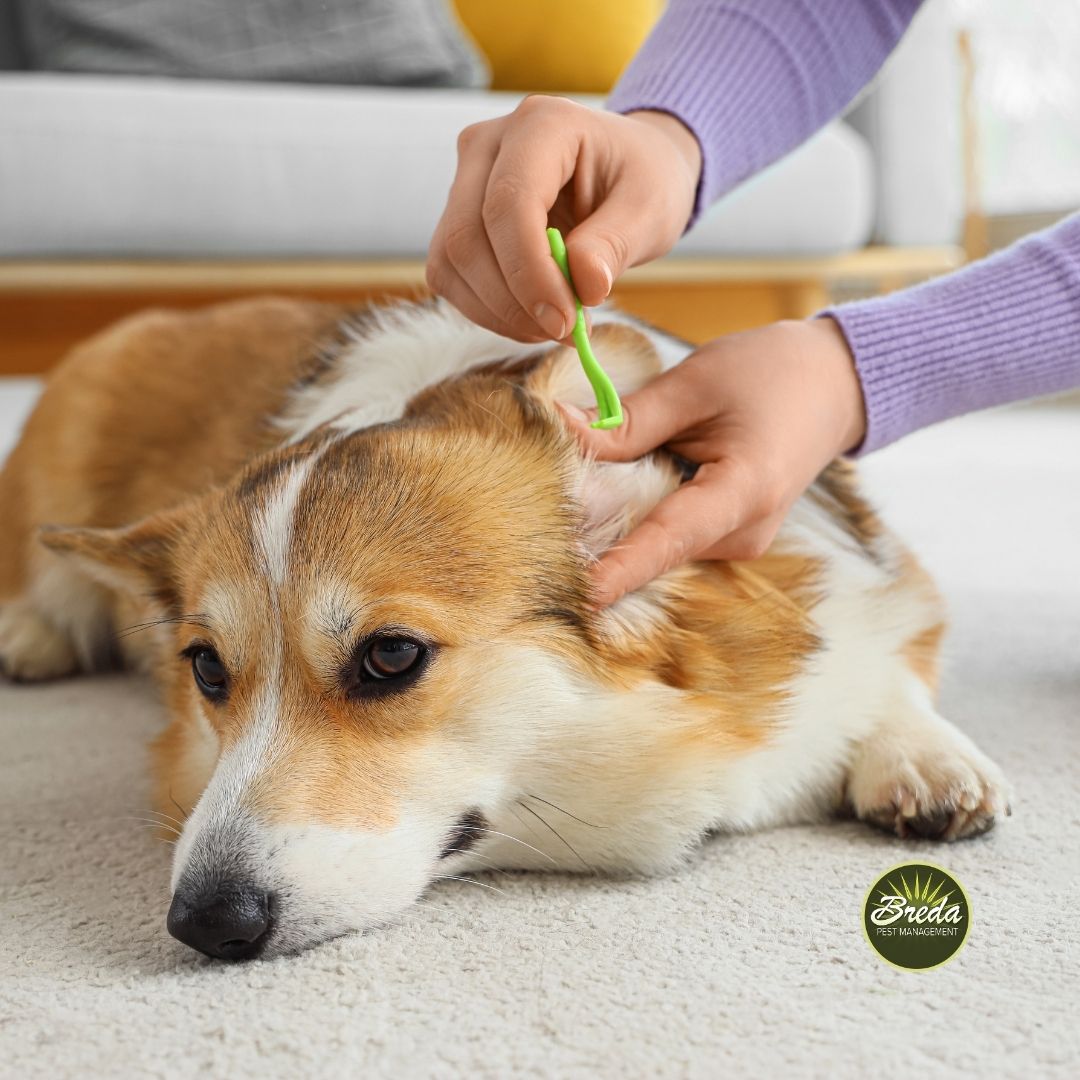
If you're removing a tick from a pet, use the same steady approach with fine-tipped tweezers. If the tick is hard to remove, your pet seems uncomfortable, or you're unsure whether the whole tick came out, call your veterinarian for guidance.
After any tick bite, monitor the bite site for several weeks. If you notice a rash, fever, fatigue, headache, muscle aches, or unusual symptoms, seek medical attention promptly and mention the tick bite.
Tick bites shouldn't be ignored. The sooner a tick is removed, the lower the risk of transmitting certain diseases.
How to Make Your Yard Less Attractive to Ticks
To get rid of ticks in your Georgia yard, start by making your outdoor space less tick-friendly.
Ticks thrive in shady, moist environments with tall grass, leaf litter, and dense vegetation. A well-maintained yard is one of the most effective first lines of defense.
Here's where to focus:
- Keep grass cut short. Regular mowing reduces tick habitat and makes the yard less inviting.
- Remove leaf piles. Leaf litter creates the damp, protected environment ticks love.
- Clear brush and overgrown vegetation. Pay special attention to fence lines, property edges, wooded borders, and pet areas.
- Create a barrier. The CDC recommends creating a three-foot barrier of wood chips or gravel between wooded areas and your lawn to help limit tick migration into recreational areas.
- Move play areas away from wooded edges. Keep playground equipment, patios, and outdoor seating areas away from tall grass, brush, and tree lines when possible.
- Discourage tick hosts. Deer, rodents, birds, and other animals can help spread ticks. Keep trash sealed, remove clutter, and avoid creating easy shelter for rodents near your home.
These steps matter for ticks on Georgia properties because prevention isn't just about what you put on your skin. It's also about the environment ticks are trying to live in.
Professional Tick Treatments for Yard Protection
Even with great yard maintenance, ticks can still show up—especially if your property backs up to woods, has heavy shade, or sees a lot of wildlife activity. That's where professional tick pest control services can help!
At BREDA Pest Management, our pest control approach is built around protecting both the inside and outside of your home. We target pests where they live, nest, travel, and enter, not just where they happen to show up. Our pest control services are customized to your home and Georgia's warm, pest-friendly climate.
For tick treatment for yards in Atlanta GA, we focus on the outdoor areas where ticks are most likely to be hiding, including shaded vegetation, yard edges, brushy areas, leaf litter zones, pet areas, and transition points between wooded spaces and your lawn.
Depending on the property and pest pressure, our team may treat the yard with targeted granules or TopChoice applications, backed by a 90-day guarantee. The goal is not to spray and hope. The goal is to reduce tick populations where they are most likely to threaten your family, pets, and outdoor living spaces.
Why BREDA's Mosquito Treatment Helps With Ticks, Too
Here's something you may not know: our monthly mosquito treatment can also help target ticks!
Ticks and mosquitoes are different pests, of course. Mosquitoes breed in standing water. Ticks prefer grass, brush, shade, leaf litter, and host traffic. But both pests are outdoor invaders that make your yard less enjoyable and your family more vulnerable to bites.
Our mosquito control program runs from March through October, helping homeowners proactively treat their yards during peak mosquito season. We also make every effort to avoid treating flowering shrubs and trees so honeybees and other pollinators can continue doing their very important jobs.
For homeowners seeking mosquito and tick control in Atlanta GA, this matters because consistent outdoor treatment can help reduce multiple biting pests in the places where your family spends time. Mosquito service is not a replacement for smart tick prevention, pet protection, and yard maintenance, but it is another layer of defense.
Think of it like this:
Step 1: Maintain your yard. Keep grass short, remove brush, clear leaf litter, and reduce shady, overgrown tick habitat.
Step 2: Let us treat the yard. Our team can apply targeted outdoor treatments, including granules or TopChoice where appropriate, to help reduce tick activity around your home.
Step 3: Keep prevention protocols going. Use repellents, check your body and pets, stay on veterinarian-recommended pet prevention, and monitor your yard throughout the season.
That combination gives your home a stronger defense than any one tactic on its own.
Keep Ticks From Taking Over Your Yard
Ticks may be small, but they deserve serious attention. They can hide in everyday yard spaces, latch onto people and pets, and create health concerns that should never be brushed off.
The good news is that prevention works best when it is layered.
Dress wisely before outdoor time. Use EPA-registered repellents. Check yourself and your pets. Keep your yard maintained. Remove leaf litter and brush. Create barriers near wooded edges. And when tick activity becomes more than your yard can handle on its own, bring in professional support.
At BREDA Pest Management, we're here to help protect the outdoor spaces your family actually uses—the yard where your kids play, your pets roam, and you attempt to enjoy one peaceful evening without becoming a buffet.
Frequently Asked Questions About Tick Prevention for Georgia Homes
What is the best way to prevent ticks before going outside?
The best way to prevent ticks before going outside is to dress with protection in mind. Wear long sleeves, long pants, closed-toe shoes, and light-colored clothing so ticks are easier to spot. EPA-approved repellents can also help reduce your risk of tick bites. Prevention starts before you go outdoors and continues after you come back inside.
How do I safely remove a tick?
Use clean, fine-tipped tweezers to grasp the tick as close to the skin as possible. Pull upward with steady, even pressure. Do not twist, squeeze, burn, or cover the tick with products like petroleum jelly or nail polish. After removal, clean the bite area and your hands with soap and water or rubbing alcohol.
What should I do after removing a tick?
After removing a tick, monitor the bite area for several weeks. Watch for unusual symptoms such as rash, fever, fatigue, headache, muscle aches, or swelling. If symptoms develop, seek medical attention promptly and let your healthcare provider know when and where the tick bite happened.
How can I protect my pets from ticks?
Pets should be on veterinarian-recommended tick prevention products year-round. You should also check pets after outdoor time, especially around the ears, neck, collar, paws, and between toes. Keeping your yard maintained can also help reduce the chance of pets picking up ticks close to home.
What treatments are available for ticks in the yard?
Tick treatment for yards in Atlanta GA may include targeted outdoor applications to areas where ticks are likely to hide, such as shaded vegetation, leaf litter, yard edges, brush, and pet activity areas. At BREDA, we may use granules or TopChoice where appropriate, along with a 90-day guarantee. Treatment works best when paired with mowing, brush removal, leaf cleanup, and ongoing prevention.
Does BREDA's mosquito treatment help with ticks too?
Yes, our monthly mosquito treatment can also help target ticks. Mosquitoes and ticks are different pests, but both can make your yard less enjoyable and increase bite concerns for your family and pets. For homeowners looking for mosquito and tick control in Atlanta GA, our outdoor treatments can add another layer of protection when combined with regular yard maintenance and pet prevention.
What is the best long-term plan for backyard tick control?
The best long-term plan combines yard maintenance, personal prevention, pet protection, and professional treatment when needed. Keep grass short, remove leaf litter, clear brush, use repellents, check yourself and your pets after outdoor time, and schedule targeted service if ticks keep showing up. Backyard tick control in Metro Atlanta works best when every layer of prevention is working together.
If you're tired of wondering what the pests in or around your home are doing and just want them gone, don't hesitate to give us a call. The BREDA Guarantee promises to protect your home and keep it protected—no matter the circumstances. Schedule an inspection online or give us a call at 770-466-6700.