Bats are one of those animals you can appreciate in theory. They eat insects. They play an important role in Georgia's ecosystem. They are actually pretty impressive little creatures. Then one flies out of your attic at dusk and suddenly, none of those fun bat facts feel particularly comforting.
Bats usually want nothing to do with people, but they may move into attics, chimneys, soffits, and wall voids when they find a warm, protected place to roost. Once they settle in, removing them is not as simple as waiting for them to leave and sealing the door behind them.
So let's talk about why bats enter Georgia homes, how to spot a possible infestation, what bat-proofing actually involves, and when it's time to call a professional.
Why Do Bats Get Into Georgia Homes?
Bats aren't trying to break into your house and take over the guest room. They're just looking for shelter.
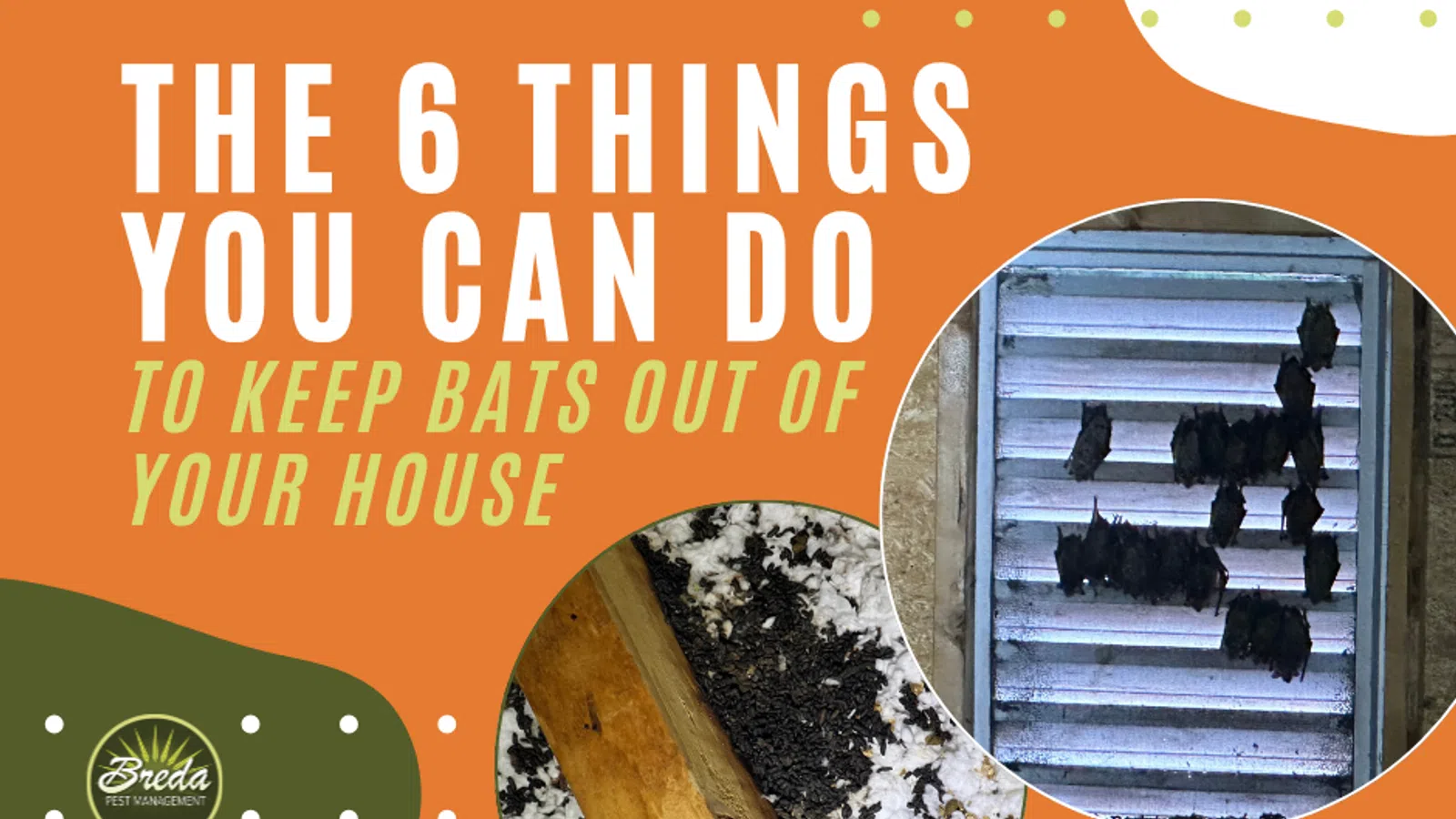
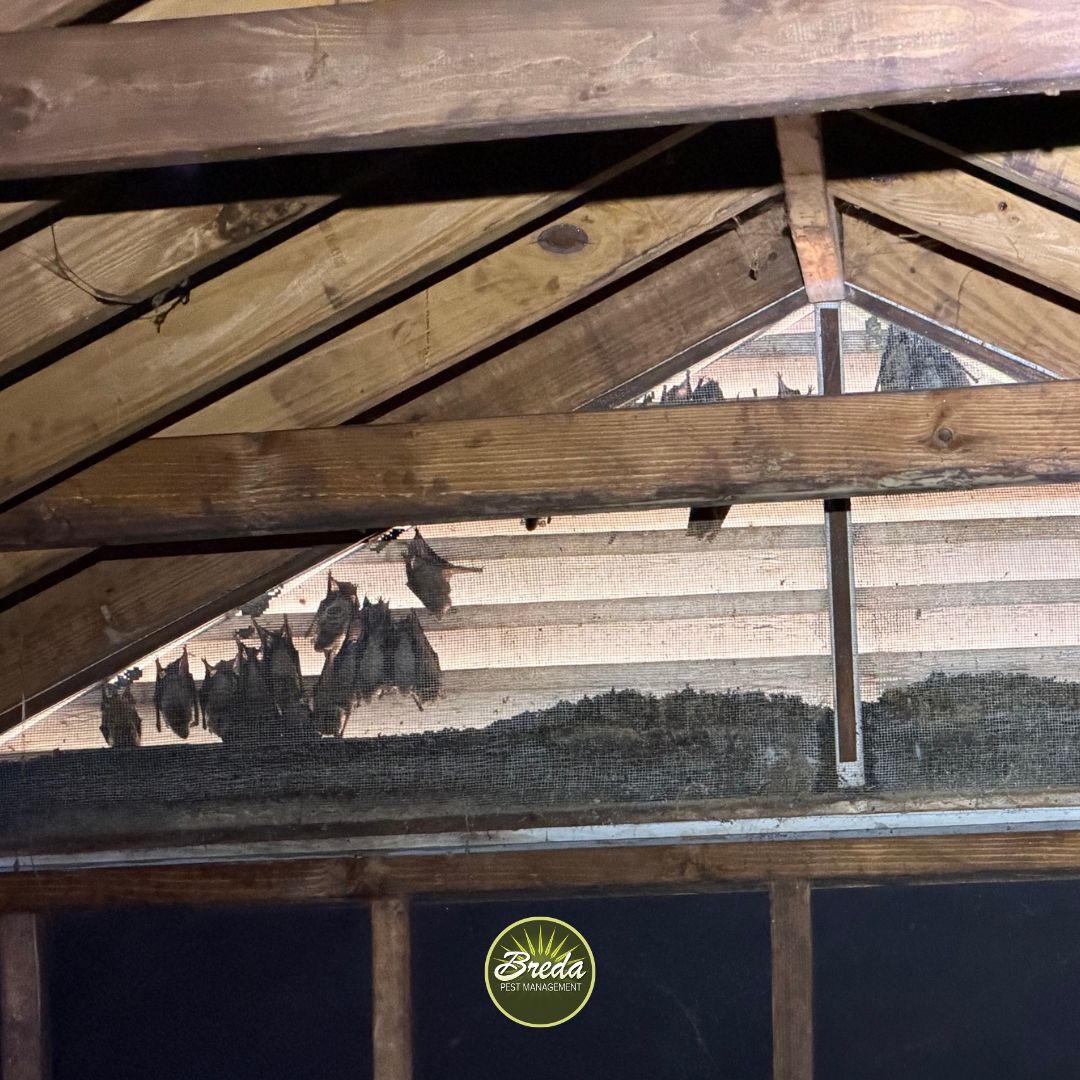
Attics and roof voids can provide the warmth, darkness, and protection bats normally find in trees, caves, or other natural roosting areas. They often enter through gaps that already exist rather than chewing new holes the way rodents do. And those gaps do not have to be large.
According to the CDC, bats can fit through openings as small as one-quarter inch. If a gap looks too small to matter, a bat may see it as a perfectly acceptable front door.
Common bat entry points include:
- Gaps along roof edges
- Loose or damaged soffits and fascia
- Openings beneath shingles
- Torn attic or gable vent screens
- Uncapped chimneys
- Spaces where siding meets brick or roofing
- Gaps around plumbing, wiring, and utility lines
- Damaged doors or windows near attics and basements
Most bat entry points are high off the ground, which can make them difficult to see during a casual walk around the house.
Signs You May Have Bats in Your Attic
One bat accidentally flying through an open door doesn't necessarily mean there's a colony living in your home. Repeated bat activity is a different story.
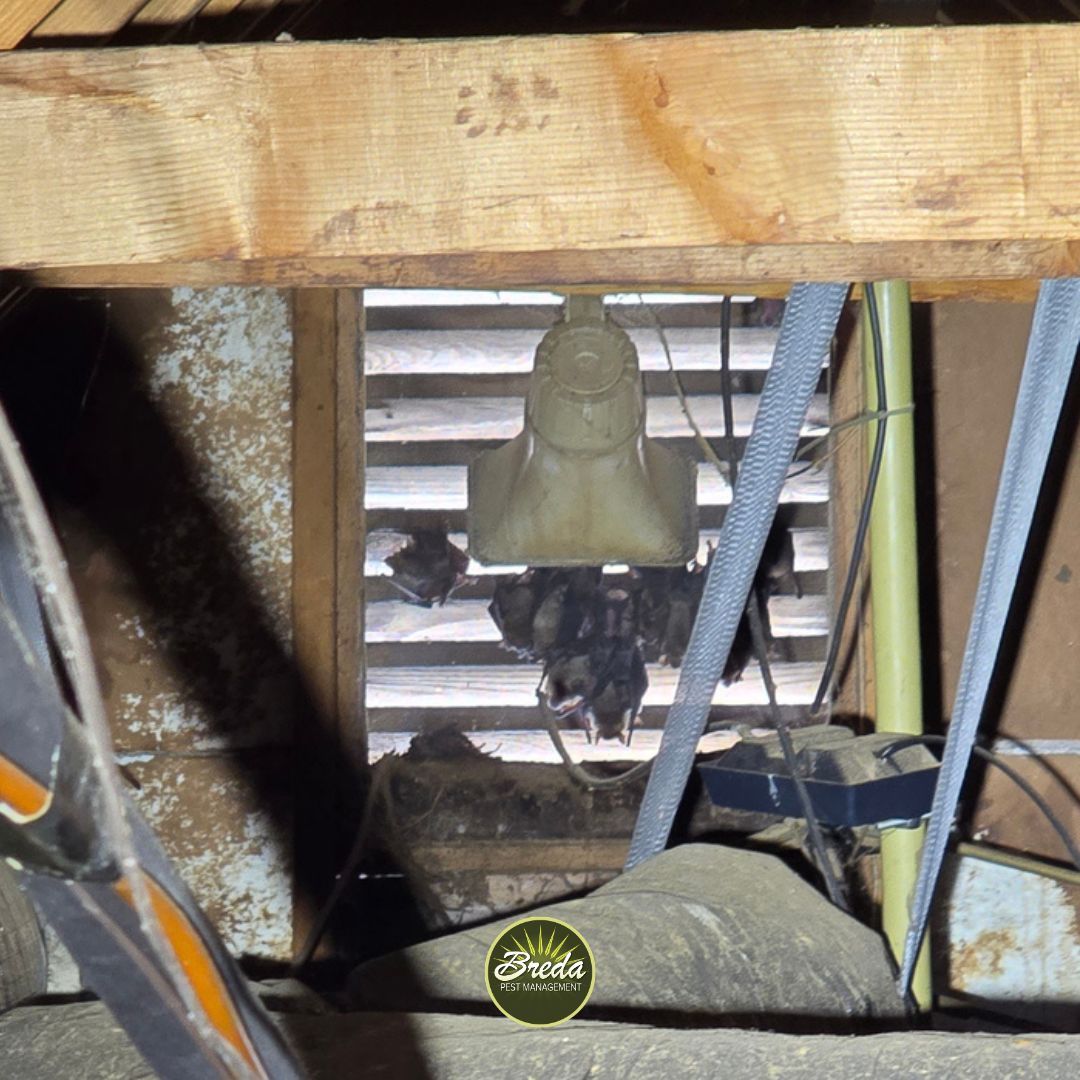
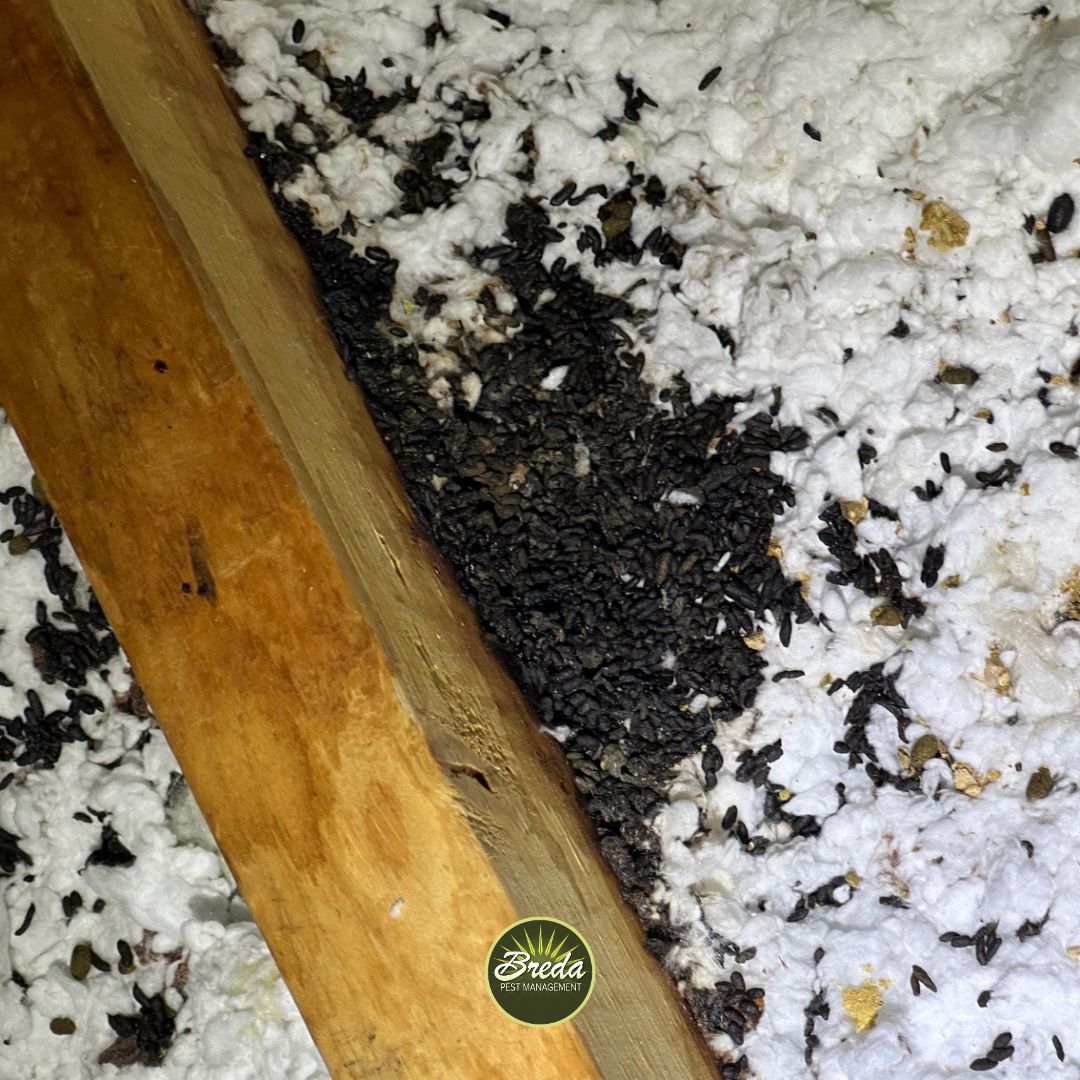
Signs of bats in an attic or wall void may include:
- Bats leaving the same roofline opening around sunset
- Scratching, squeaking, or fluttering sounds
- Dark staining around an exterior opening
- Small droppings beneath a possible roost
- Strong odors coming from the attic
- Bats repeatedly appearing inside living areas
If you suspect bats are using your home, watch the roofline from a safe spot on the ground around dusk. Seeing several bats emerge from the same opening can help identify where they are entering.
Whatever you do, don't climb onto the roof at night to investigate. That's how a bat problem becomes an emergency room story.
What Is Bat Exclusion?
The most effective method for removing bats from a building is called bat exclusion.
Bat exclusion uses specially-designed exit devices that allow bats to leave the structure but prevent them from getting back inside. Once professionals are confident the entire colony has left, the devices are removed and the openings are permanently repaired.
A professional bat exclusion may involve:
- Inspecting the home and identifying active entry points
- Sealing secondary gaps the bats are not currently using
- Installing exclusion tubes over active exits
- Leaving the devices in place for several warm nights
- Confirming the bats have left
- Removing the devices and permanently sealing the openings
Bat Conservation International recommends leaving properly installed exclusion tubes in place for at least seven days because not every bat leaves the roost every night. Weather, temperature, and other conditions can affect when bats emerge.
Waiting for bats to fly out one evening and immediately sealing the hole is not a safe removal strategy. It's just a good way to trap bats inside your attic or walls, and nobody wants to discover that mistake through a mysterious smell coming from the ceiling.
Timing Matters for Bat Removal in Georgia
Georgia homeowners also need to consider the bat maternity season.
The Georgia Department of Natural Resources recommends avoiding bat exclusions from April 1 through July 31. During this period, young bats may be too small to fly. If adult bats are excluded, the pups can become trapped inside the structure.
This can create several problems:
- Young bats may die inside the attic or walls
- Adult bats may desperately search for another way inside
- Bats may begin appearing in living areas
- Odors and insect activity may develop
- The colony can be harmed unnecessarily
BREDA Pest Management still offers exclusions to secure the home during this time but we will leave their opening exposed until the flightless young are able to fly. Once BREDA is certain there are no flightless young present we will complete the full exclusion.
If bats must be removed during Georgia's maternity season because of a health or safety concern, the work should be completed by a licensed wildlife pest control specialist who knows how to inspect for flightless young.
Late summer and fall are often better times for bat exclusion, but every situation should be evaluated individually.
How to Help Keep Bats Out of Your Home
Bat prevention mostly comes down to home maintenance and closing potential entry points before bats begin using them.
Inspect Your Roofline
Look for damaged soffits, fascia boards, flashing, shingles, siding, vents, and roof joints.
Because many bat entry points are difficult to see from the ground, a professional inspection may be helpful if you are already noticing activity.
Cover Chimneys and Vents
A properly installed chimney cap can help prevent bats and other wildlife from entering.
Attic vents and gable vents should also have durable, securely attached screening that allows proper airflow while keeping wildlife out.
Repair Doors, Windows, and Screens
Replace torn screens, repair weatherstripping, and make sure exterior doors close tightly.
Draft guards or door sweeps can also help close gaps beneath attic, basement, and exterior doors.
Seal Interior Openings
If bats are living in an attic, seal gaps that could allow them to enter the rooms below.
Pay attention to openings around plumbing lines, electrical wiring, HVAC components, attic access doors, fireplaces, cabinets, and utility closets.
These interior repairs can help create a bat-free living space while the exterior exclusion is being planned.
Avoid Quick-Fix Bat Repellents
Ultrasonic devices, mothballs, bright lights, and chemical repellents are not reliable bat-control methods.
Bat Conservation International warns that ultrasonic devices have not been scientifically proven to remove bats. Expandable foam should also not be applied around active roosts because it can trap bats, block ventilation, and break down over time.
The long-term solution is exclusion followed by durable structural repairs.
What Should You Do If a Bat Is Inside Your House?
First, keep people and pets away from the bat. Close interior doors to contain it in one room and turn off ceiling fans. Do not swat at it, chase it, or attempt to pick it up with your bare hands.
Most bats don't carry rabies, but bat bites and scratches can be extremely small. If someone may have touched the bat, been bitten or scratched, or was asleep in the room where the bat was found, contact a healthcare provider or local health department promptly.
Do not release the bat until you have spoken with a public health professional. It may need to be safely captured and tested for rabies. If a pet might have encountered the bat, contact your veterinarian.
When to Call for Professional Bat Control
You should consider professional bat control if:
- Multiple bats are leaving your home
- Bats keep appearing inside
- The entry point is high or difficult to reach
- You hear activity in your attic or walls
- Bat droppings have accumulated
- You cannot identify every exterior opening
- The colony may contain flightless young
- Someone or a pet may have encountered a bat
Professional bat exclusion requires patience, careful timing, and attention to every possible opening. Missing even one gap can allow the bats to return and put you right back where you started. Except now the bats know you tried to evict them. Awkwardâ¦
Keep the Bats Outside Where They Belong
Bats have an important role to play in Georgia. That role just doesn't include living above your bedroom.
If you are seeing bats around your roofline, hearing activity in the attic, or finding signs of a colony inside your home, do not seal the openings and hope for the best. Proper bat control requires finding every entry point, safely excluding the colony, and completing repairs that keep the bats from returning.
Frequently Asked Questions About Bats in Georgia Homes
Are bats common in Georgia?
Yes. Bats are found throughout Georgia and may roost in trees, caves, bridges, barns, attics, chimneys, and other protected areas. They are beneficial outdoors but should not be allowed to live inside areas occupied by people.
How small of a hole can a bat enter?
Bats can fit through openings as small as approximately one-quarter inch. Roof joints, vents, soffits, fascia boards, siding, chimneys, and utility openings should all be inspected.
Can I seal a bat entrance after they leave at night?
No. Not every bat leaves the roost each night. Sealing an active entrance too soon can trap bats inside the structure. A proper bat exclusion allows the entire colony to leave before the opening is permanently closed.
What is the best time for bat removal in Georgia?
Routine bat exclusions should be avoided from April 1 through July 31 because young bats may still be unable to fly. Late summer and fall are often better times, although weather and the location of the colony should also be considered.
Do ultrasonic bat repellents work?
Ultrasonic devices are not considered a reliable way to remove bats from a home. The most effective long-term approach is humane exclusion followed by sealing and repairing the structure.
Will installing a bat house keep bats out of my attic?
A bat house may give bats another place to roost, but it does not guarantee they will leave your attic or choose the new structure. A bat house should support a properly planned exclusion, not replace one.
When should I call a bat-control professional?
Call a professional when you are seeing repeated bat activity, finding droppings, hearing noises in the attic, or dealing with entry points that are difficult to reach. Professional help is especially important during maternity season or when a bat may have encountered a person or pet.
If you're tired of wondering what the pests in or around your home are doing and just want them gone, don't hesitate to give us a call. The BREDA Guarantee promises to protect your home and keep it protected—no matter the circumstances. Schedule an inspection online or give us a call at 770-466-6700.