June in Georgia has a personality. It's hot. It's humid. It rains when it feels like it. Everyone is outside grilling, playing, gardening, swimming, and trying to enjoy the yard before the mosquitoes fully declare ownership.
Unfortunately, ants love June, too.
Warm temperatures increase ant activity and colony growth, which means both fire ants and sugar ants become much more noticeable this time of year. Add in June rainstorms, outdoor cooking, pet food, trash cans, and backyard gatherings, and suddenly your home and yard can become a very appealing place for ants to settle in.
The good news? A few smart habits can make a big difference.
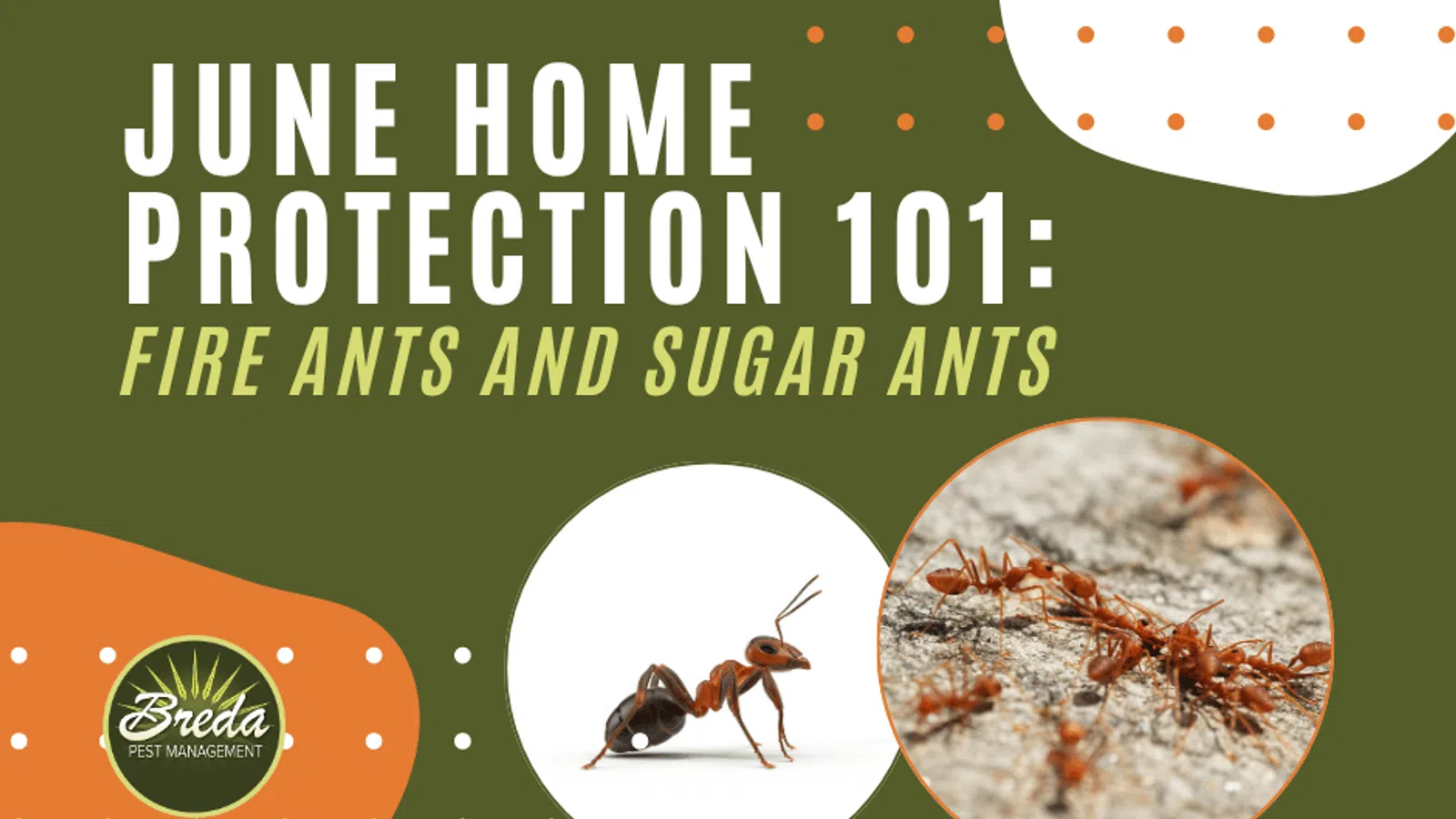
If you're looking for summer ant control Atlanta GA homeowners can actually keep up with, here's your June Home Protection 101 guide to keeping fire ants and sugar ants away from your home, your kitchen, and your summer plans.
Why Ants Become a Bigger Problem in June
Ant activity tends to increase when temperatures rise because warmer weather helps colonies grow, forage, and reproduce more quickly. According to the EPA, effective pest management often starts with understanding how pests interact with their environment, then using prevention and targeted control methods to reduce pest pressure. For Georgia homeowners, that environment often includes heat, humidity, rain, outdoor food, and easy access to moisture.
Rainstorms in June can also force ants to relocate closer to homes and foundations. When soil becomes saturated, ants may move upward, spread to new areas, or look for drier shelter. That can lead to more ants around patios, garages, crawl spaces, and entry points.
And then there's the food. Summer brings more grilling, snacking outside, pet feeding, parties, sports practices, and sticky little popsicle hands touching every surface known to man. Ants are opportunists. If food or water is easy to find, they will usually find it.
That is why ant infestation prevention Atlanta homes need in summer should focus on both the outside of the home and what's happening indoors.
Start Outside: Fire Ant and Sugar Ant Prevention Around the Yard
Exterior prevention matters because many ant problems begin outside before they make their way indoors.
Fire ants often build nests in sunny, open areas like lawns, sidewalks, gardens, playgrounds, and athletic fields. If you've ever found fire ants in yard Georgia during summer, you know how quickly one mound can make an entire section of the lawn feel off-limits.
The University of Georgia Extension notes that imported fire ants can be a major nuisance in urban areas and are often managed with a combination of bait treatments and individual mound treatments. For homeowners, the first step is simply paying attention to where mounds are forming.
Here are a few exterior prevention habits to build into your June routine:
- Inspect the yard weekly for fire ant mounds, especially near play areas, sidewalks, flower beds, and pet spaces.
- Keep outdoor trash bins sealed tightly so ants are not drawn to food residue.
- Clean grills and outdoor eating areas after each use.
- Mow the lawn regularly to reduce favorable nesting conditions.
- Reduce standing water around the property.
- Keep mulch, leaves, wood piles, and debris away from the foundation.
- Trim tree branches and shrubs away from the home.
These steps won't guarantee ants stay away forever, but they can make your property less inviting. And when it comes to fire ant and sugar ant control Atlanta homeowners need during the summer, less inviting is exactly the goal.
Seal the Small Openings Before Ants Find Them
Ants do not need a grand entrance.
They can enter through tiny cracks around windows, doors, plumbing lines, utility openings, and foundations. Once sugar ants find a way inside, they often follow scent trails into kitchens, bathrooms, pantries, laundry rooms, and anywhere else they can find food or water.
If you're wondering how to keep ants out of your Georgia house, start by looking for the small gaps that are easy to overlook.
Walk around the exterior of your home and check for cracks, gaps, and damaged materials. Seal cracks with caulk around doors, windows, utility lines, and plumbing entry points. Replace damaged weather stripping on exterior doors. Check window screens for tears or gaps. Repair leaking outdoor faucets and pipes that may be attracting ants searching for water.
Moisture around entry points can attract ants during hot weather, so do not ignore damp areas near the foundation, under sinks, or around crawl spaces. The National Pesticide Information Center notes that common-sense pest prevention includes removing food sources, sealing entry points, and controlling moisture problems.
Small openings around the home can quickly become entry points for large ant colonies during the summer. Taking care of them early is one of the most practical ant prevention tips Georgia homes can use before activity gets worse.
Keep Sugar Ants Out of the Kitchen
Kitchens are one of the most common places homeowners first notice sugar ant activity.
Sugar ants are strongly attracted to sweets, crumbs, spills, and pet food. Even tiny food particles can attract scout ants looking for resources. Once they find food, they leave pheromone trails for the rest of the colony to follow.
That is why sugar ants in kitchen Atlanta GA can feel like they appear overnight. One scout ant finds the sticky spot near the trash can, and suddenly the whole colony has directions.
Odorous house ants are one of the ants commonly referred to as "sugar ants," and Wisconsin Horticulture notes that they are especially fond of sugary foods and beverages, though they may also feed on pet food and other items.
To reduce sugar ant activity indoors, focus on daily food habits:
- Wipe down countertops daily.
- Store cereal, sugar, snacks, and baking ingredients in airtight containers.
- Sweep floors regularly, especially near eating areas.
- Avoid leaving pet food out overnight.
- Empty trash cans frequently.
- Clean sticky residue from trash bins, pantry shelves, and recycling areas.
- Rinse food containers before placing them in the trash or recycling bin.
The goal is not perfection. No one is asking your kitchen to look like no one lives there. But consistent cleanup makes it harder for sugar ants to find the food sources they need.
Reduce Fire Ant Activity in the Yard
Fire ants are a different problem than sugar ants because they are aggressive and can sting.
Fire ant stings can cause painful welts, itching, burning, and allergic reactions in sensitive individuals. Children, pets, and older adults may be especially vulnerable if they accidentally disturb a mound.
The CDC explains that fire ants bite and sting, and their venom can cause burning pain and pustules. That is why fire ant mounds in lawns, playgrounds, gardens, and walkways should not be ignored.
To reduce fire ant activity around your home:
- Inspect sunny areas of the yard regularly.
- Look closely around sidewalks, driveways, flower beds, and play areas.
- Keep the lawn mowed.
- Avoid overwatering the yard.
- Remove excess debris and keep mulch away from the foundation.
- Do not disturb mounds with your hands, feet, lawn equipment, or garden tools.
If you find multiple mounds or see recurring activity, it may be time to consider professional ant treatment Metro Atlanta homeowners can rely on instead of trying to handle the issue one mound at a time.
When DIY Ant Prevention Is Not Enough
DIY prevention can absolutely help reduce ant activity, especially when the issue is minor or seasonal. But DIY methods have limits.
Store-bought sprays often kill the visible ants without eliminating the queen or the colony. Some ant colonies can split and spread when treated improperly, which can make the infestation worse instead of better. And when ants are nesting inside walls, under floors, near moisture sources, or throughout the yard, surface-level treatment may not solve the root problem.
Professional pest control targets both indoor activity and outdoor nesting areas. Regular inspections can also help stop recurring infestations before they become severe.
BREDA Pest Management's pest control services are designed to protect both the inside and outside of your home. BREDA uses customized treatment plans for homes and businesses, seasonal inspections, preventative treatments, and safe, effective solutions for common Georgia pests, including fire ants and sugar ants.
BREDA's pest control technicians understand local pest activity and treat pests where they live, nest, travel, and enter the home. Instead of outdated baseboard spraying, BREDA focuses on precision placement in cracks and crevices where pests are actually active. Our BREDA Guarantee also includes a 90-day guarantee, which means if pests return during that period, we will send a technician back for re-treatment at no charge.
That kind of local, targeted approach matters when you need ant control you can trust through the summer.
Keep Ants From Taking Over Your Summer
Fire ants and sugar ants may be common in Georgia, but that does not mean they should get free rein over your home and yard.
With a few consistent habits, you can reduce food sources, seal entry points, lower moisture issues, and make your property less attractive to ants. But if you are noticing ant trails indoors, recurring sugar ants in the kitchen, or fire ant mounds around your property this June, professional help can make all the difference.
For pest control for ants Atlanta suburbs homeowners can count on, BREDA Pest Management can help protect your home all summer long.
If you're tired of wondering what the pests in or around your home are doing and just want them gone, don't hesitate to give us a call. The BREDA Guarantee promises to protect your home and keep it protected—no matter the circumstances. Schedule an inspection online or give us a call at 770-466-6700.