

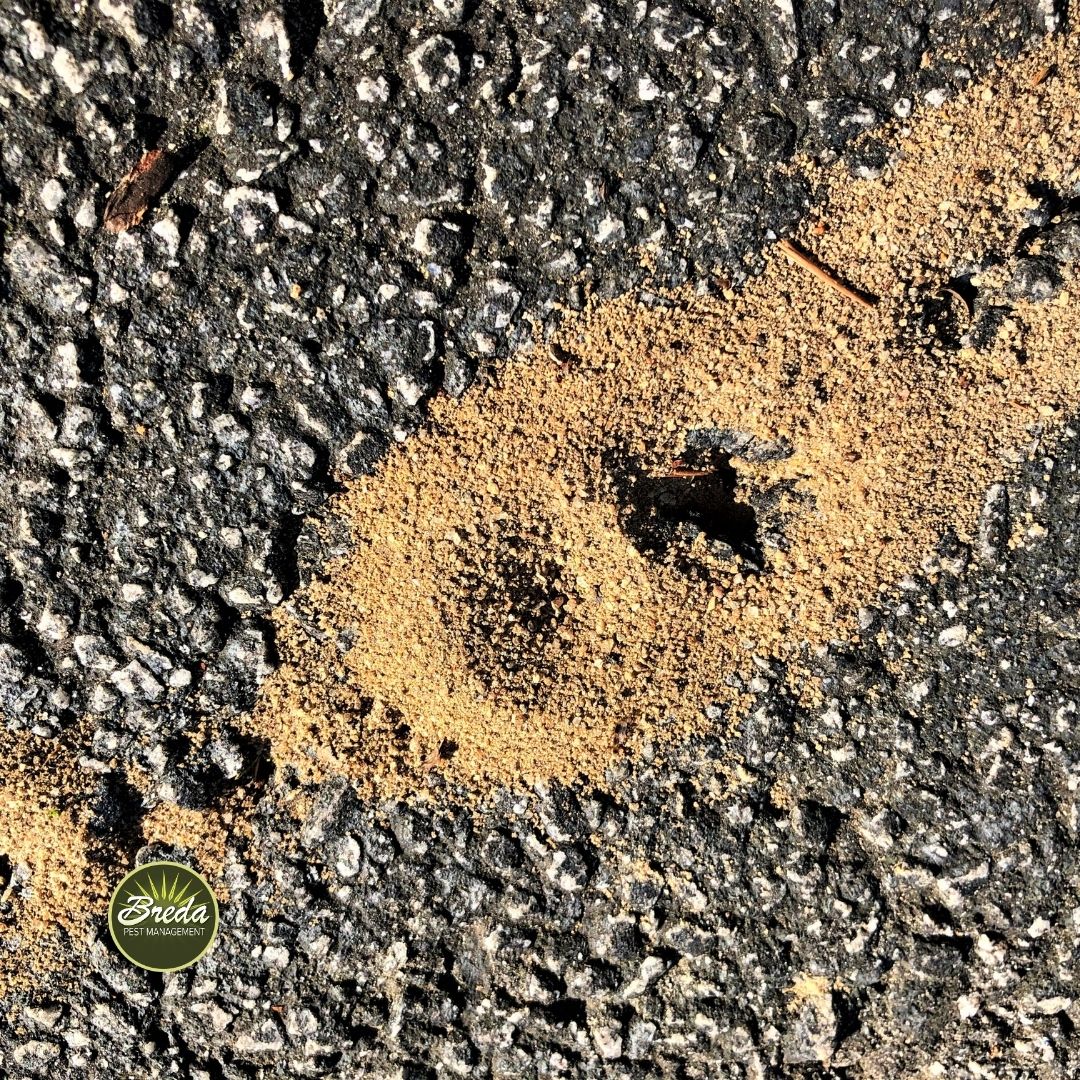
You walk outside after a stretch of warm weather or a heavy summer rain, glance across the yard, and suddenly there it is: a fresh fire ant mound sitting right in the middle of the lawn like it pays the mortgage.
Fire ants are one of those pests that seem to show up fast, spread quickly, and make outdoor spaces feel a lot less relaxing. And if you've ever wondered, why are fire ants active in summer Georgia, the answer comes down to a mix of heat, humidity, soil conditions, and seasonal colony growth.
Let's break down why fire ants become more active during certain times of year, how Georgia weather affects their behavior, and why fire ant stings Georgia homeowners experience should be taken seriously.
Why Fire Ants Become More Active in Spring and Summer
Fire ants love warm weather. Unfortunately, Georgia gives them plenty of it.
As temperatures rise in spring and summer, fire ants become much more active because heat speeds up their metabolism, movement, foraging, and colony growth. Warm soil also makes it easier for fire ants to tunnel underground and expand their nests.
That means the same weather that brings backyard cookouts, pool days, and kids running through the grass also creates ideal conditions for fire ants in yard Georgia homeowners may suddenly start noticing.
Spring and summer are also prime breeding seasons for fire ants. Colonies can grow quickly during these warmer months, especially when food and moisture are available. As colonies expand, fire ants forage more often, build more visible mounds, and create more opportunities for people and pets to cross paths with them.
And because families spend more time outside in warm weather, those encounters become more likely. Kids playing barefoot, pets sniffing around the yard, and homeowners mowing or gardening can all accidentally disturb a mound.
The University of Georgia Extension notes that imported fire ants can be managed through a combination of bait treatments and individual mound treatments, especially in areas where mound activity is widespread. That matters because fire ants are not just sitting on the surface. The real colony is underground, and the visible mound is often only one sign of a much larger problem.

Why Fire Ants Show Up After Rain
If it feels like fire ant mounds appear out of nowhere after a rainstorm, you're not imagining it.
Fire ants after rain Georgia homeowners notice are often reacting to changes in the soil. Heavy rain saturates the ground, forcing fire ant colonies to move upward. As they push soil to the surface, their mounds become taller, fresher, and much easier to spot.
Rain also softens the ground, which makes mound building easier. That is why you may see fire ant mounds in lawn Atlanta neighborhoods pop up quickly after a stretch of storms or heavy humidity.
Flooding can create an even bigger issue. According to Texas A&M AgriLife Extension, rain does not necessarily create more fire ants, but saturated soil can make existing colonies move higher, making them more noticeable. In flood conditions, fire ants may even relocate and spread to new areas as they search for dry ground.
Rainy weather can also drive ants closer to homes as they look for shelter, dry soil, and new nesting opportunities. While fire ants are usually considered an outdoor pest, ants in general may become more active near foundations, patios, garages, crawl spaces, and entry points after wet weather.
That is one reason professional fire ant control Metro Atlanta homeowners can rely on is especially helpful during warm, rainy seasons. Treating only the mound you can see may not address the larger colony or nearby activity.
Why Fire Ant Mounds Are a Safety Concern
Fire ant mounds are not just an eyesore in the yard.
They can create real safety concerns for families, pets, visitors, playgrounds, athletic fields, and outdoor gathering spaces. A mound near a walkway, garden bed, patio, mailbox, or play area can quickly become a problem if someone accidentally steps on it or disturbs it.
Fire ants are aggressive when their nest is threatened. They swarm in groups, bite to anchor themselves, and then sting repeatedly. That is part of what makes them so different from many other common household ants.
The CDC's NIOSH guide to stinging insects explains that fire ants bite and sting, injecting venom that causes a burning sensation. Red bumps may form at the sting site, and within a day or two, they can become white, fluid-filled pustules.
That's not exactly the kind of "welcome to the backyard" moment anyone is hoping for.

Possible Health Risks of Fire Ant Stings
For most people, fire ant stings cause immediate burning pain, redness, swelling, itching, and pustules. Even when the reaction is considered mild, it can still be painful and uncomfortable.
Multiple stings can be especially hard on children, older adults, and pets. Pets that disturb a mound may receive multiple stings around the face, paws, nose, or belly before they can get away. Children may not realize they are standing near a mound until the ants have already swarmed.
Some people may also experience allergic reactions to fire ant venom. Symptoms of a serious allergic reaction can include difficulty breathing, swelling of the throat, dizziness, rapid heartbeat, hives, or severe swelling. The American College of Allergy, Asthma & Immunology notes that insect sting allergies can sometimes cause anaphylaxis, a potentially life-threatening reaction that may affect breathing and require immediate medical attention.
There is also a risk of infection if stings are scratched. Scratching can break the skin, which may allow bacteria to enter. As tempting as it is to scratch itchy fire ant stings, it is better to keep the area clean and avoid breaking the skin when possible.
Why DIY Fire Ant Control Can Be Tricky
It is completely understandable to want to handle a fire ant mound as soon as you see it. No one wants to look out at the yard and mentally mark off all the places their kids, pets, or guests should avoid.
But fire ant treatment Atlanta GA homeowners choose needs to be strategic.
A visible mound does not always represent the entire colony. Fire ants can build complex underground tunnels, and colonies may contain large numbers of ants, sometimes with multiple queens. Disturbing the mound or using the wrong treatment can cause the colony to relocate, split, or rebuild nearby.
That is why pest control for fire ants in Atlanta suburbs often needs more than a quick surface-level fix. A professional can identify activity patterns, treat problem areas safely, and help reduce the risk of future mound development.
How BREDA Helps Protect Georgia Homes Inside and Out
When it comes to fire ant control Atlanta GA homeowners need, the goal is not just to knock down the mound. The goal is to understand where pests are living, nesting, traveling, and entering vulnerable areas around the home.
BREDA Pest Management's pest control services are designed to protect both the inside and outside of your home. BREDA's approach focuses on eliminating active pests indoors while creating a strong protective barrier outside, which is especially important in Georgia's warm, humid climate where pest pressure can stay high throughout much of the year.
BREDA does not use a one-size-fits-all approach. Our pest control treatments are customized to the home and the specific pest issue. Our pest control team inspects vulnerable areas, treats pests where they live and travel, and uses targeted product placement instead of outdated, unnecessary baseboard spraying.
For families with children and pets, that kind of thoughtful treatment matters. BREDA's interior service focuses on cracks and crevices, such as under sinks and around windows, doors, toilets, and shower areas, to help avoid standing chemical exposure in living spaces. Our service is also backed by the BREDA Guarantee, which means if pests return during the guarantee period, BREDA will send a technician back for re-treatment at no charge.
When to Call a Fire Ant Exterminator
If you are seeing repeated fire ant activity, new mounds after rain, mounds near high-traffic areas, or ants around spaces where children and pets play, it may be time to contact a fire ant exterminator Atlanta GA homeowners trust.
Professional treatment is especially important when:
- Fire ant mounds keep coming back
- Mounds are close to your home, driveway, patio, garden, or play area
- Children, older adults, pets, or visitors are at risk of stings
- You notice increased activity after storms or heavy rain
- DIY products have not solved the problem
- You want early prevention before colonies grow larger
Fire ants are most active during warm months, which means early prevention and treatment can make a big difference. The sooner you address the problem, the easier it is to help reduce the risk of painful stings, growing colonies, and recurring outdoor infestations.
Don't Let Fire Ants Take Over Your Yard
Georgia summers are made for being outside. They're for grilling dinner, watering flowers, tossing the ball with the dog, watching kids play in the yard, and enjoying the evening once the heat finally gives everyone a tiny break.
They aren't for tiptoeing around fire ant mounds.
If fire ants are making your yard feel unsafe, BREDA Pest Management can help. With professional fire ant control Metro Atlanta homeowners can count on, BREDA can identify the problem, treat active pest issues, and help protect your home and yard from future infestations.
Because you should be able to enjoy your yard without wondering what's waiting under the next mound of dirt.
If you find yourself needing pest control and want it handled thoroughly, don't hesitate to give us a call. The BREDA Guarantee promises to fix your pest problem and keep it fixed—no matter the circumstances. Schedule a consultation online or give us a call at 770-466-6700.