Cold weather has a funny way of turning "wildlife outside" into "wildlife⦠in my attic."
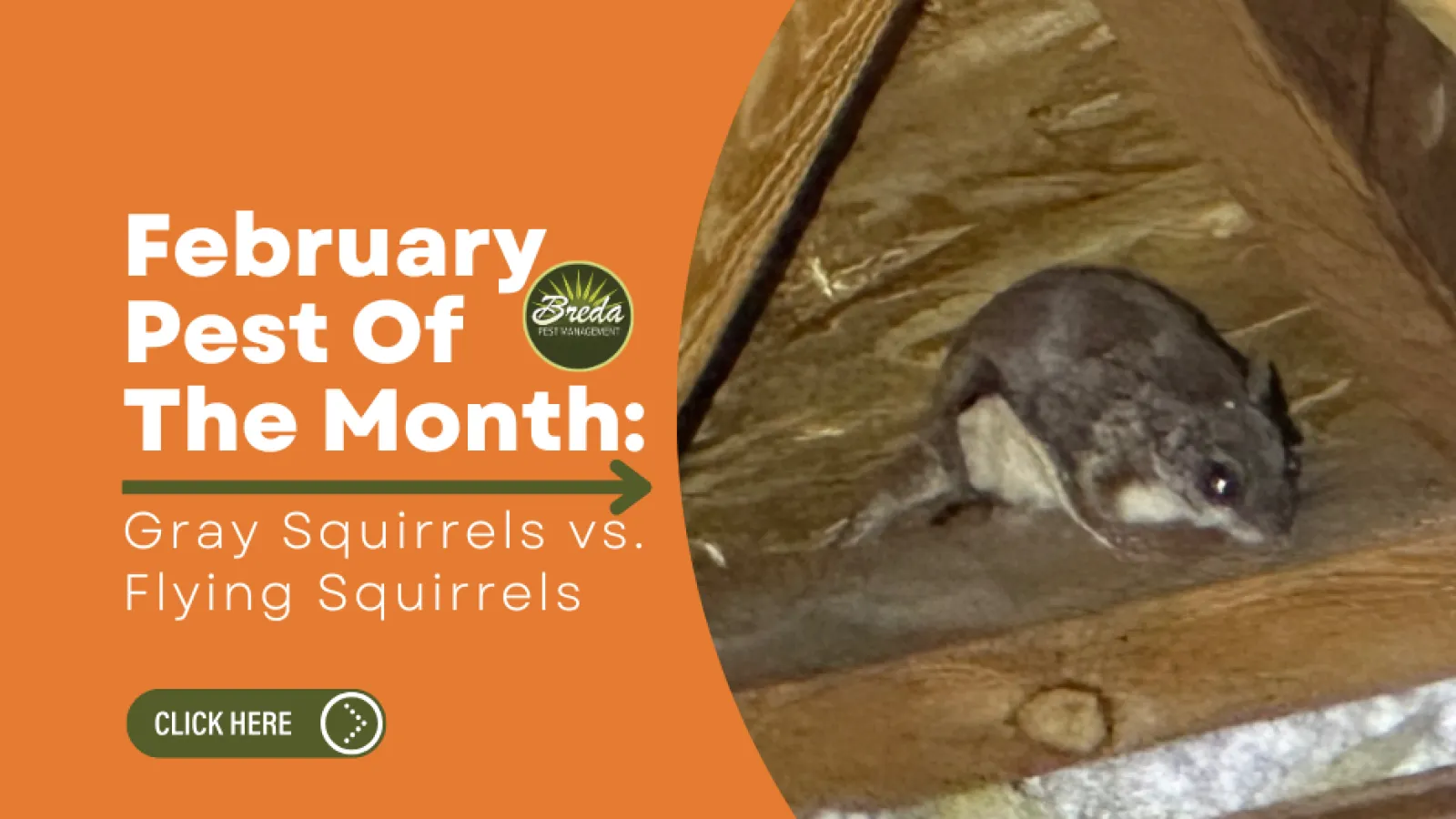
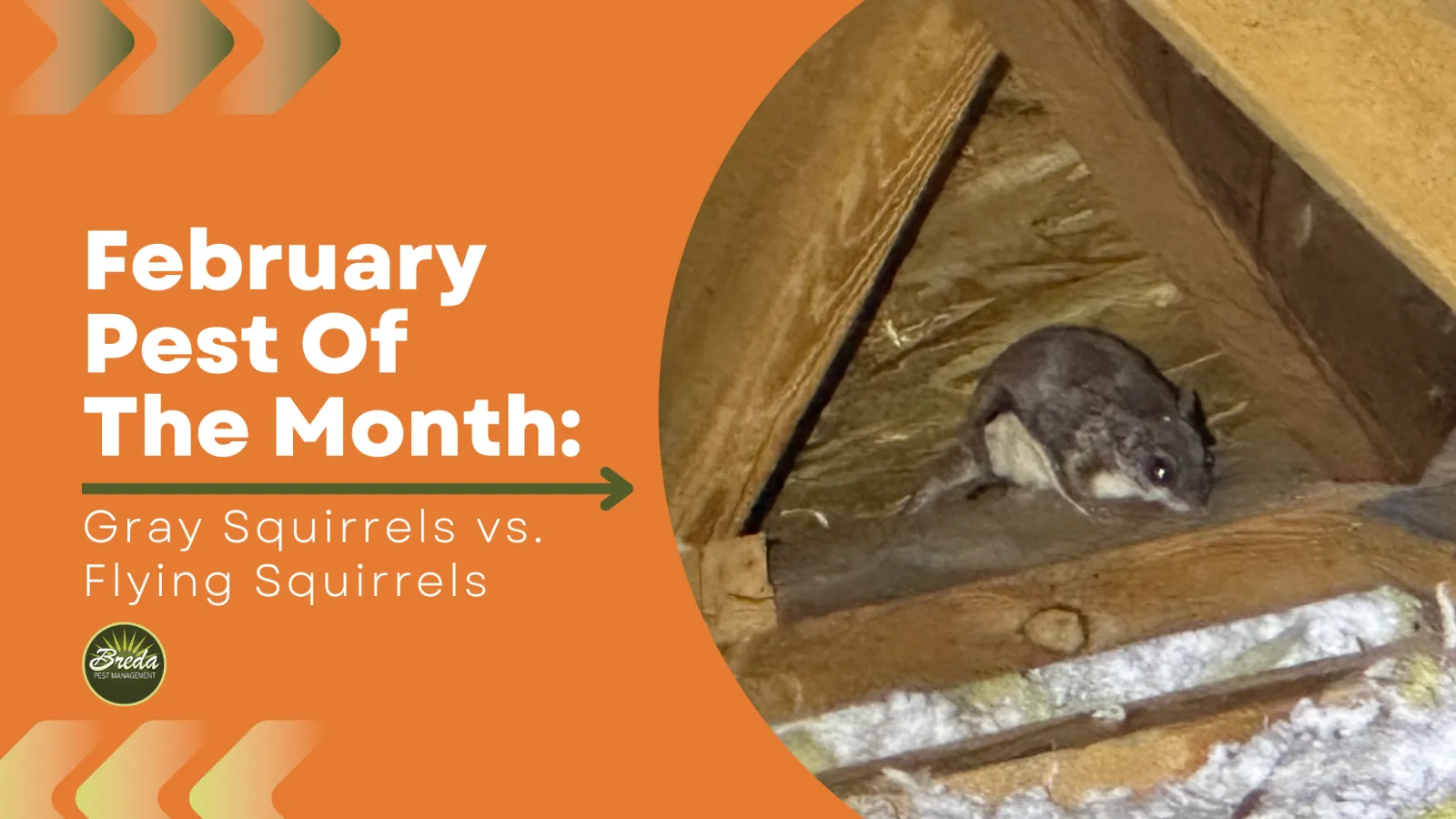
In February, the two most common culprits we see in Atlanta-area homes are gray squirrels and flying squirrels. They're both squirrels, but they behave differently, make different noises, and create different types of mess—and that matters when you're trying to get them out (and keep them out).
This blog will help you:
Spot the difference between gray squirrels and flying squirrels
Understand the damage squirrels can cause inside a home
See why DIY removal often backfires
Learn how BREDA Pest Management's wildlife exclusion solves the problem for good
And if you're already done with the "wildlife orchestra in the attic" era, here's the fast track: start with a free inspection through BREDA's Wildlife Control service.
Why squirrels move into homes during winter
Squirrels are basically tiny survival strategists.
When temperatures drop, they look for spaces that are:
warm
dry
protected from predators
close to food (hello, bird feeders and oak trees)
Your attic checks every box. So do wall voids, soffits, and roofline gaps—especially in older homes or homes with weathered exterior materials.
And once they find a way in? They don't treat it like a short-term rental. They treat it like a lease.
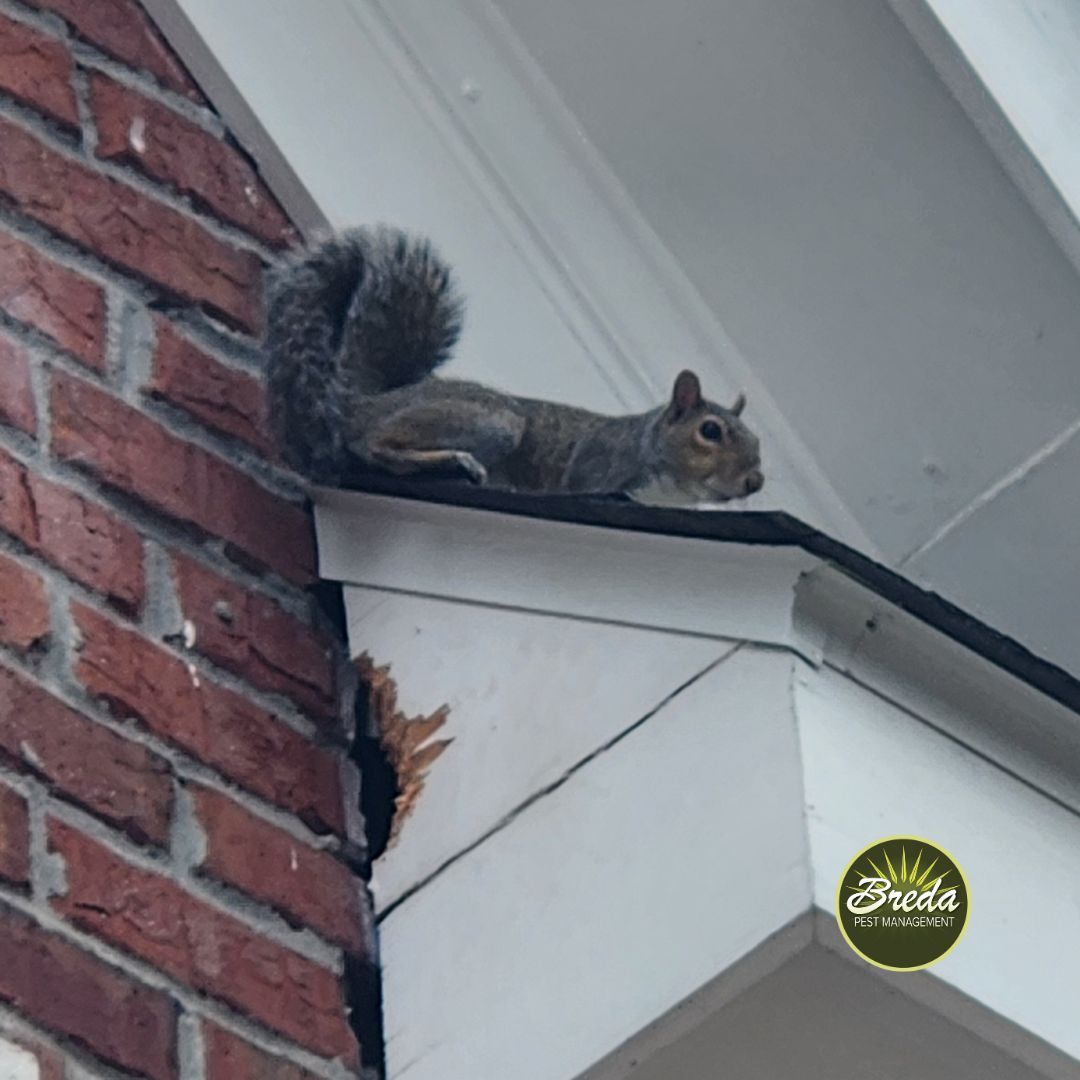
The two squirrel species most commonly found in homes
In Metro Atlanta, the two usual suspects are:
1) Flying squirrels
Flying squirrels are smaller, nocturnal, and—surprise—more social than most homeowners expect. They don't truly fly; they glide. And because they're active at night, a group can live overhead for a while before you realize what's happening. University of Georgia wildlife guidance even notes that attic noise at night can point to flying squirrels, while daytime noise is more consistent with gray squirrels.
If you've ever thought, "It sounds like something is lightly sprinting in slippers at 2 a.m." â¦that's a vibe.
2) Gray squirrels
Gray squirrels are bigger, bolder, and much more likely to cause obvious structural damage quickly. You'll likely hear them early in the morning as you're getting ready for your day, as they're typically active during daylight hours, but you may hear them at night as they enter or shift around nesting areas.
They're also strong chewers—and that's where things can escalate from annoying to expensive.
Gray squirrels vs. flying squirrels: key differences
Here's the homeowner-friendly breakdown:
Size
Gray squirrels: larger, heavier-bodied
Flying squirrels: smaller, lightweight
Activity time
Gray squirrels: mostly daytime (diurnal)
Flying squirrels: nighttime (nocturnal)
Noise pattern
Gray squirrels: louder thumping/scratching, more "construction demo" energy
Flying squirrels: lighter scurrying/fluttering, often heard at night
Social behavior
Gray squirrels: typically nest alone or in smaller family units
Flying squirrels: more likely to live in groups—meaning more droppings, more odor, more contamination risk
Damage style
Gray squirrels: aggressive chewing and tearing
Flying squirrels: contamination + nesting mess can build quietly over time
If you're specifically googling squirrels in attic Atlanta GA, these differences help you identify what you're dealing with—and what kind of removal plan actually works.
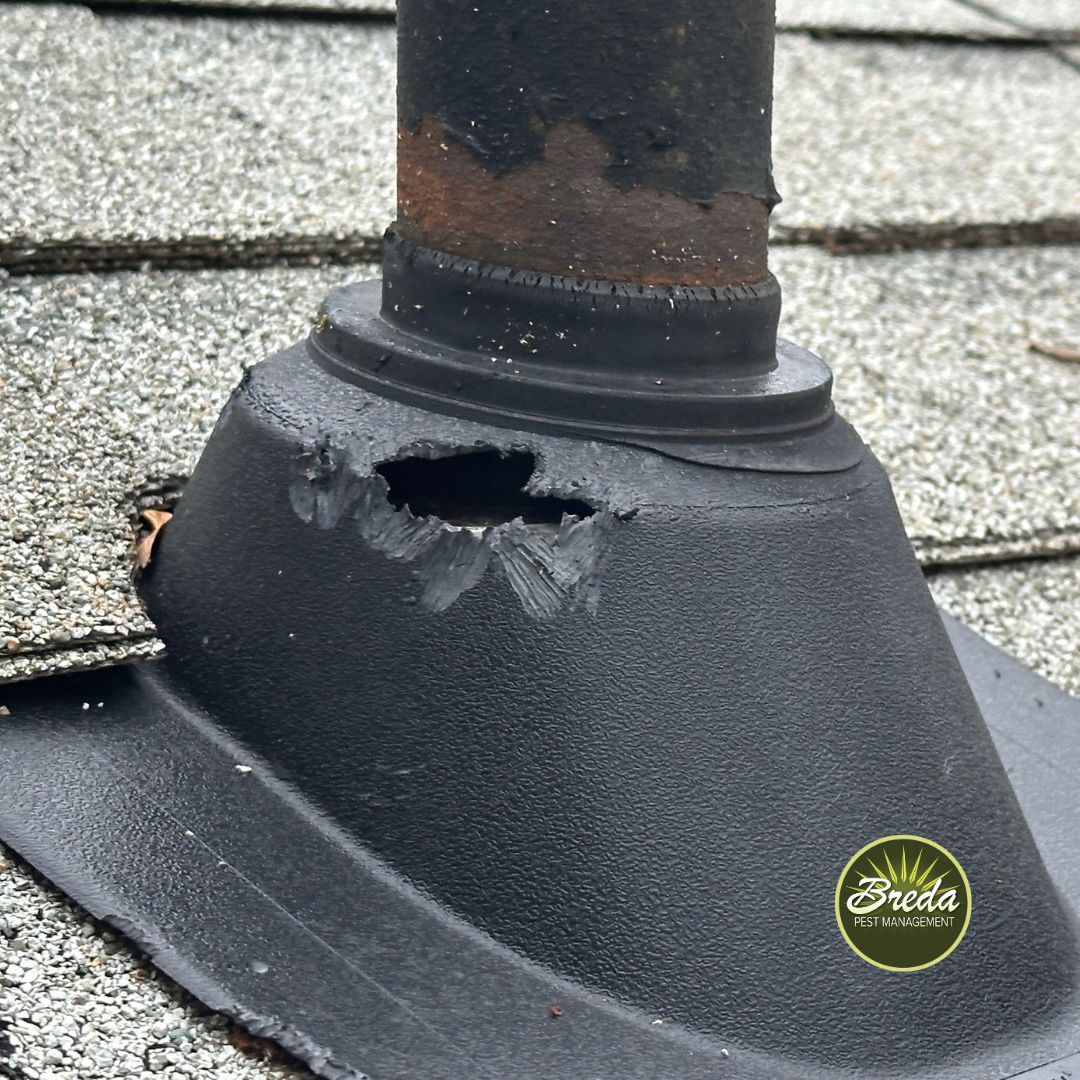
What kind of damage can squirrels cause inside your home?
Let's name what's at stake—because squirrels aren't just "cute rats with better PR."
Structural damage
Gray squirrels in particular can:
chew wood, fascia, soffits, and vents
tear up insulation for nesting
enlarge openings to create repeat entry routes
Electrical wiring = fire hazard risk
Squirrels gnaw to maintain their constantly growing teeth. Extension resources note that when squirrels chew wiring, exposed wiring becomes a potential fire hazard.
Insulation destruction + contamination
Both species can:
compress or shred insulation (wrecking energy efficiency)
leave urine and droppings behind
create odor that seeps into living spaces
If you're looking up attic squirrel damage repair Atlanta GA, the damage isn't just cosmetic—it can affect safety, indoor air quality, and energy bills.
And when droppings are involved, it's not something you want to "Shop-Vac and move on." The CDC recommends wetting droppings with disinfectant (not dry sweeping) to reduce exposure risk.
Why DIY trapping and removal often fails
DIY squirrel removal efforts usually fails for one reason:
You removed the animal⦠but kept the door open.
If you trap one squirrel but don't address entry points, another squirrel will move in—sometimes quickly—because:
the route is already mapped
the opening is already created
the attic is still warm and safe
And if you seal only the "obvious" hole? Squirrels are persistent. They may chew or exploit a nearby weak spot and re-enter anyway.
That's why the fix isn't just removal. It's removal + exclusion.
The importance of professional wildlife exclusion in Atlanta
A true wildlife exclusion Atlanta GA plan focuses on:
identifying the species and activity zones
removing wildlife strategically
sealing all potential entry points (not just the one you noticed)
sanitizing and restoring the affected space
backing it with a real guarantee
UGA guidance emphasizes that time-of-day noise can help identify the animal—but solving it long-term comes down to excluding access and preventing re-entry.
Common squirrel entry points we see in Atlanta-area homes
construction gaps along the roofline
soffit/fascia vulnerabilities
gable vents
crawl vents
openings around AC lines and plumbing penetrations
weather-rot or softened wood that's easier to chew through
That's why squirrel entry point sealing Atlanta GA isn't a quick patch job—it's a system.
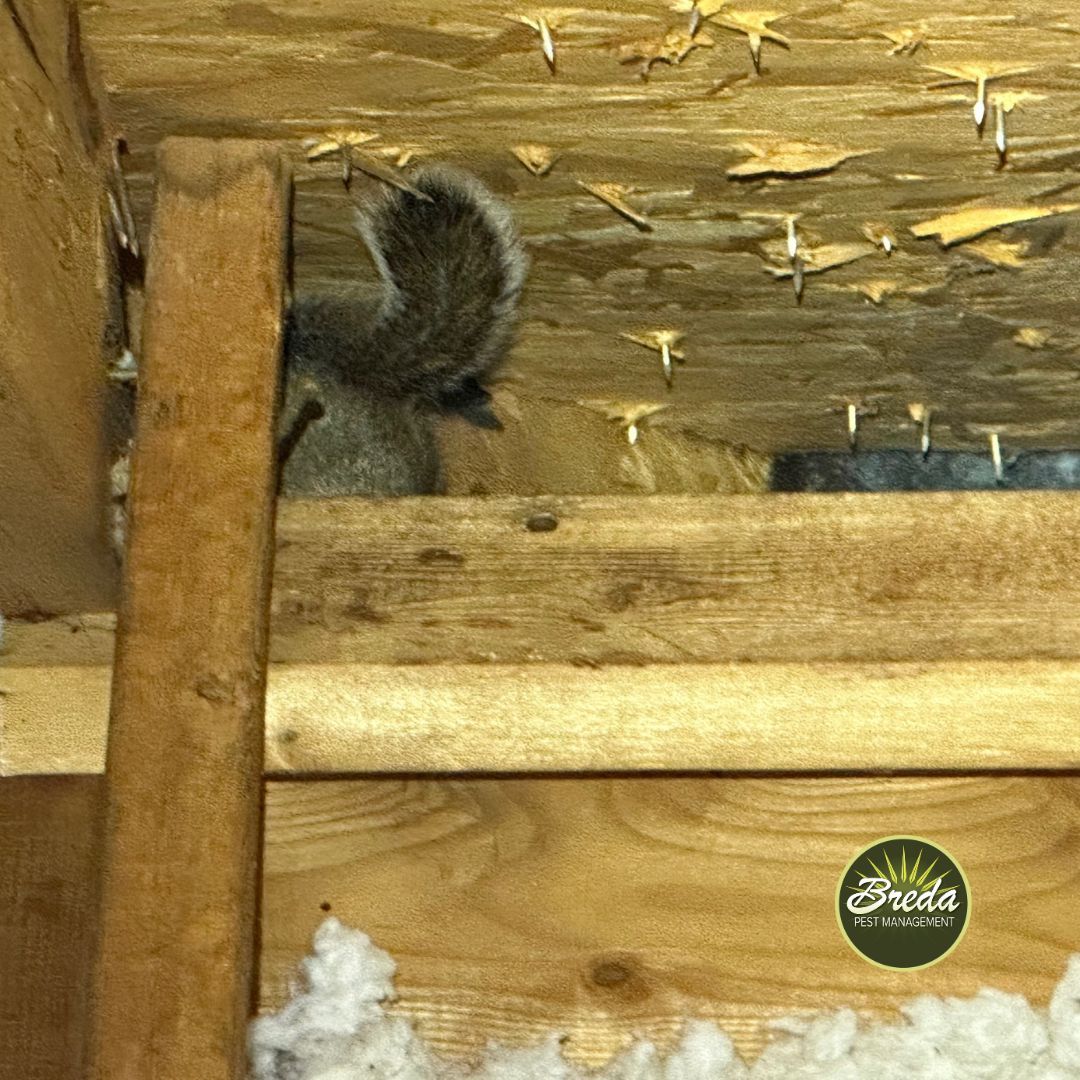
How BREDA Pest Management's Wildlife Exclusion Works
Here's what homeowners can expect with BREDA's Wildlife Control service:
1) Free inspection + clear plan
BREDA starts with a complimentary inspection and estimate, so you know exactly what you're dealing with and what it will take to solve it.
2) Strategic Trap Placement and Removal
If trapping is needed, BREDA uses strategic squirrel trapping Atlanta GA methods and places traps based on where the activity actually is—attic, crawlspace, or other entry zones.
3) Full-home exclusion (not partial fixes)
BREDA's approach focuses on sealing the roofline and foundation, not just the current entry point. That matters because partial exclusions often become repeat problems.
In many cases, exclusion includes durable materials (like metal barriers and reinforced screening) to prevent chewing and re-entry.
4) Sanitizing + restoration options
Wildlife doesn't just move in—it leaves evidence behind. BREDA disinfects and deodorizes waste and nesting materials to restore a clean, healthy environment.
And if insulation is soiled, BREDA can replace it—including installing new blown-in borate insulation.
5) The BREDA Wildlife Guarantee
This is the peace-of-mind layer homeowners want: BREDA's wildlife service includes a renewable lifetime guarantee—and the renewal can be maintained annually at a fixed cost to help avoid price creep.
Preventing squirrel re-entry during winter months
Winter is prime time for re-infestation because squirrels are actively scouting for shelter.
A few prevention wins you can start now:
Trim tree limbs away from rooflines.
Repair rotted soffit/fascia wood quickly.
Keep attic vents screened and secure.
Seal exterior penetrations around lines and pipes.
Schedule a professional inspection before "one squirrel" becomes "a whole situation."
Ready to evict the attic guests?
Whether it's a loud daytime chewer or a quiet nighttime colony, the fix is the same: remove them, sanitize the mess, and seal the home like you mean it.
If you suspect squirrels overhead—or you're tired of guessing which species is auditioning above your ceiling—start with a free inspection from BREDA's Wildlife Exclusion team.
Because the goal isn't just getting squirrels out. It's keeping them out.
If you're tired of wondering what the pests in or around your home are doing and just want them gone, don't hesitate to give us a call. The BREDA Guarantee promises to protect your home and keep it protected—no matter the circumstances. Schedule an inspection online or give us a call at 770-466-6700.