

If you've ever walked into your kitchen on a warm spring day and thought, "Why are there tiny winged bugs⦠in my house⦠having a meeting⦠near my window?"—welcome. You've likely met termite swarmers that Atlanta GA homeowners can see every year, and yes, they can look alarming.
But let's take a deep breath and clear up the biggest fear first: these swarmers you see are not the ones eating your house. They're basically the "moving-out" party—winged, reproductive termites whose job is to leave an established colony, mate, and try to start a new one.
Seeing them is startling, and seeing them inside is a signal. But swarmers aren't out here chewing through your studs like tiny power tools.
Let's break down what swarmers are, whether they cause damage, how to tell them apart from flying ants, what to do if you find termite swarmers in your Atlanta GA house, and how to prevent the termite swarmers Atlanta GA homeowners dread from showing up again.
What Are Swarmers (and Why Do They Show Up Like That)?
Swarmers are winged, reproductive members of a termite colony. Their job is to leave an established colony, mate, and start a new one. Swarms typically happen during warm, humid weather—often in spring or early summer. In Georgia, that "warm + humid" combo is basically our personality.
They also tend to appear in bigger numbers, which is why it can feel like your house has been chosen for an insect flash mob.
Do Swarmer Termites Eat Wood?
Nope.
Fun fact: swarmers are not the ones doing the damage. They're looking for a place to start a new colony. The termites that actually damage wood are the workers.
Swarmers do not cause structural damage. Worker termites are the ones that feed on wood and damage structures. Swarmers are fed by workers (termite-to-termite feeding is a real thing), and they stop feeding as they prepare to reproduce.
So if your first thought was, "Are these termites actively destroying my home right now?" The answer is: not the swarmers. But⦠the fact that they're here might still mean something.
"Okay But Why Are There Swarmers In My House?"
If you're seeing swarmers in your house, it usually means one of two things:
A) There's a colony already inside the structure
This is the more serious scenario. A colony may have been feeding on wood for years and is just now visible because the colony is mature enough to produce swarmers (often 3-5 years old).
B) They flew in because they're attracted to light
Swarmers are strongly drawn to windows, doors, and light fixtures. Finding a few near a window doesn't automatically mean you have an infestation.
Also, location matters. Swarmers emerging from walls, baseboards, or a specific spot is more concerning than a few fluttering around a window.
Either way, swarmers are a warning sign that a colony is nearby. Not proof of catastrophic damage but definitely a reason to investigate.

Are Swarmers a Sign of Damage?
Swarmers are not a direct "damage meter," but they can be a clue that termites have been active long enough to reproduce—meaning a colony could be established nearby.
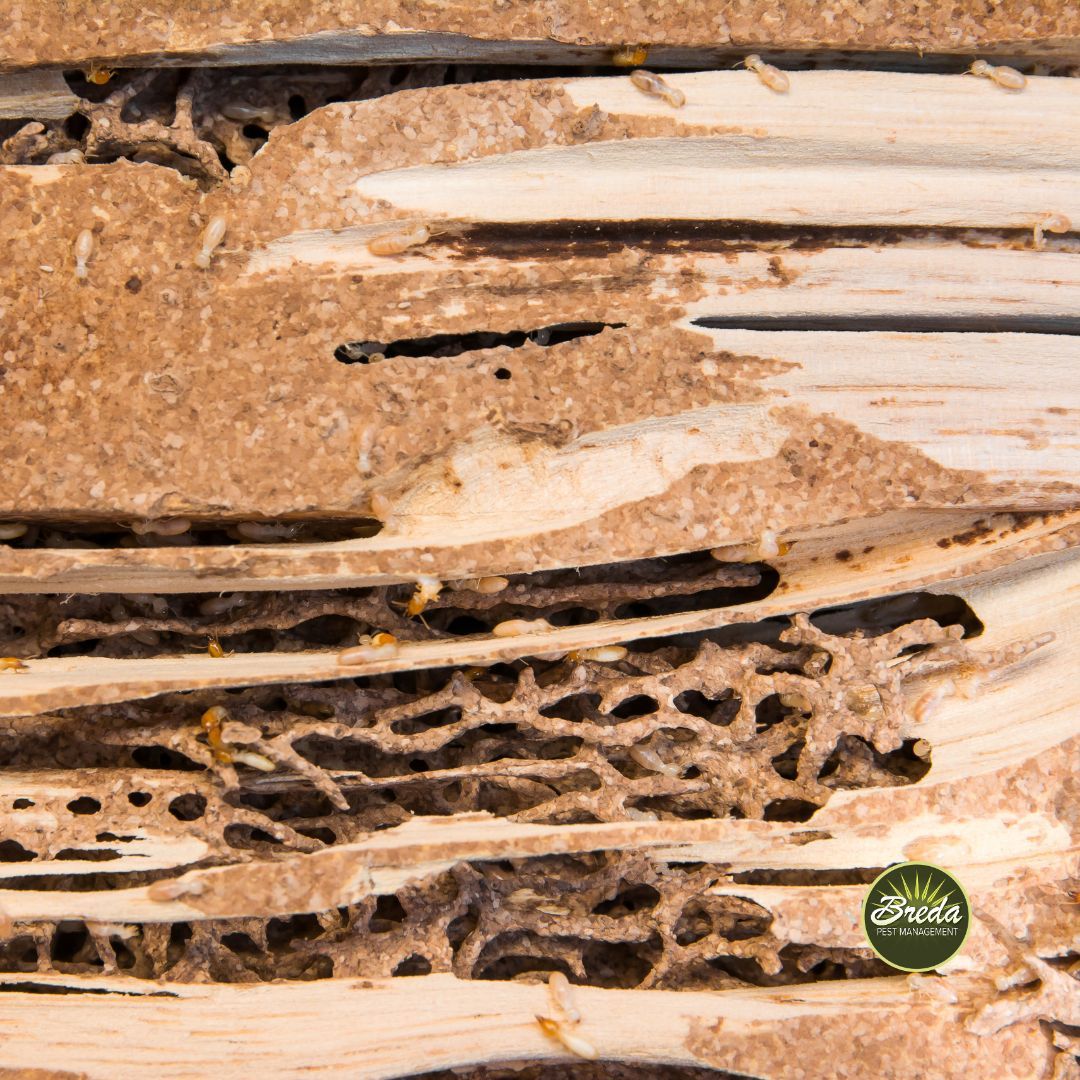
And here's the bigger issue: termite damage is often hidden. Termites can work behind walls, beneath floors, and inside support beams without being obvious until the damage is significant.
So the best mindset is:
Swarmers = time to check. Not time to panic.
How Much Damage Can Termites Actually Cause?
The damaging termites are the workers. They feed on cellulose found in wood and structural materials. And in the U.S., termites cause billions of dollars in property damage annually.
In Georgia, subterranean termites are the most common structural termite problem. They require moisture and soil contact to survive—so things like damp crawlspaces, poor drainage, wood-to-soil contact, and foundation moisture can increase risk.
Flying Ants vs Termite Swarmers Atlanta GA: How to Tell the Difference
Homeowners confuse these constantly—because nature has jokes.
If you're Googling "flying ants vs termite swarmers Atlanta GA" or "how to tell termites from flying ants Atlanta GA," here's the simple ID guide:
Termite Swarmers
Straight antennae
Equal-length wings
Thick waist / straight body shape
Flying Ants
Bent (elbowed) antennae
Front wings longer than back wings
Narrow, pinched waist
If you want a visual comparison from a university extension source, this one's helpful: Ants and Termites: How to Tell the Difference.

Signs of Termite Infestation Atlanta GA Homeowners Should Watch For
Swarmers are one sign, but they're not the only one. Here are other signs of termite infestation that Atlanta GA homeowners should take seriously:
Mud tubes along foundation walls (especially near crawlspace entry points)
Hollow-sounding wood
Bubbling or blistered paint
Discarded wings - near windows or doors
Soft or sagging flooring
If you spot any of these, schedule a professional inspection. (Termite control is not a DIY situation—UGA Extension is pretty direct about that.)
What Should You Do If You See a Swarmer?
Here's the calm, practical plan:
Don't panic. Seriously. Seeing a swarm is startling, but it doesn't mean they're actively eating your home at that moment.
Take photos (close-up if you can) for identification.
Note where you saw them (window sill vs. coming from baseboards/walls).
Schedule an inspection with a pro.
If you're in Metro Atlanta, BREDA makes this easy: they offer a free termite inspection Atlanta GA homeowners can schedule, and their inspections use advanced tools like infrared cameras, microwave technology, and moisture readings—not just a flashlight and a guess.
Start here: BREDA Termite Control.
How to Prevent Termite Swarmers Atlanta GA Homeowners See Every Spring
You can't stop termites from existing in Georgia soil. But you can make your home a lot less inviting.
Here are prevention tips homeowners can follow:
Keep wood and mulch away from the foundation (no wood-to-soil contact)
Fix moisture issues and leaks ASAP
Ensure proper drainage around the home (downspouts pushing water away matters)
Seal cracks in the foundation and around utility lines
Schedule regular termite inspections for early detection
And this is where prevention turns into peace of mind. BREDA's termite protection is built around ongoing inspections and monitoring (because what protects your home long-term isn't just treatment—it's catching changes early).
"But What If I Want Long-Term Coverage?"
If you want real protection (not just a one-time reaction), look into a plan that includes ongoing inspections and a strong guarantee.
BREDA positions termite protection like termite insurance and offers a 10-year rate lock (so you're not surprised by annual price hikes).
And here's the part most homeowners care about: under the BREDA termite guarantee, if live termites are found, BREDA will retreat and repair the damage and keep the guarantee in place for the remainder of the contract (with stated conditions).
You can read more about warranty coverage here: BREDA Warranty Information.
The Bottom Line
Seeing swarmers can be very startling, but swarmers are not actively destroying your home. They're a signal that it's time to investigate.
If you're seeing termite swarmers in your Atlanta GA house, take photos, note the location, and schedule a termite inspection Atlanta GA homeowners trust, so you can get clarity fast, before hidden activity turns into expensive repairs.
If you find yourself needing pest control and want it handled thoroughly, don't hesitate to give us a call. The BREDA Guarantee promises to fix your pest problem and keep it fixed—no matter the circumstances. Schedule a consultation online or give us a call at 770-466-6700.