March in Georgia is (usually) the month your yard wakes upâ¦and unfortunately, your termite risk quietly wakes up with it.
Because here's the thing no one tells you when you're planting fresh mulch and admiring your new landscaping: your yard can accidentally become a termite welcome mat. Not because you did anything "wrong," but because termites love two things most Atlanta-area homes have plenty of: moisture and wood.
So today we're doing a quick, practical home protection reset. We'll cover how landscaping choices can invite termites, what to change (without ripping out your whole yard), and what proactive treatments actually help you prevent termites Atlanta GA homeowners deal with every spring.
And yes, this is the part where we say the quiet truth out loud: by the time you see termite signs, they may have been active for a while. That's why termite prevention in Atlanta GA is less about panic and more about planning.
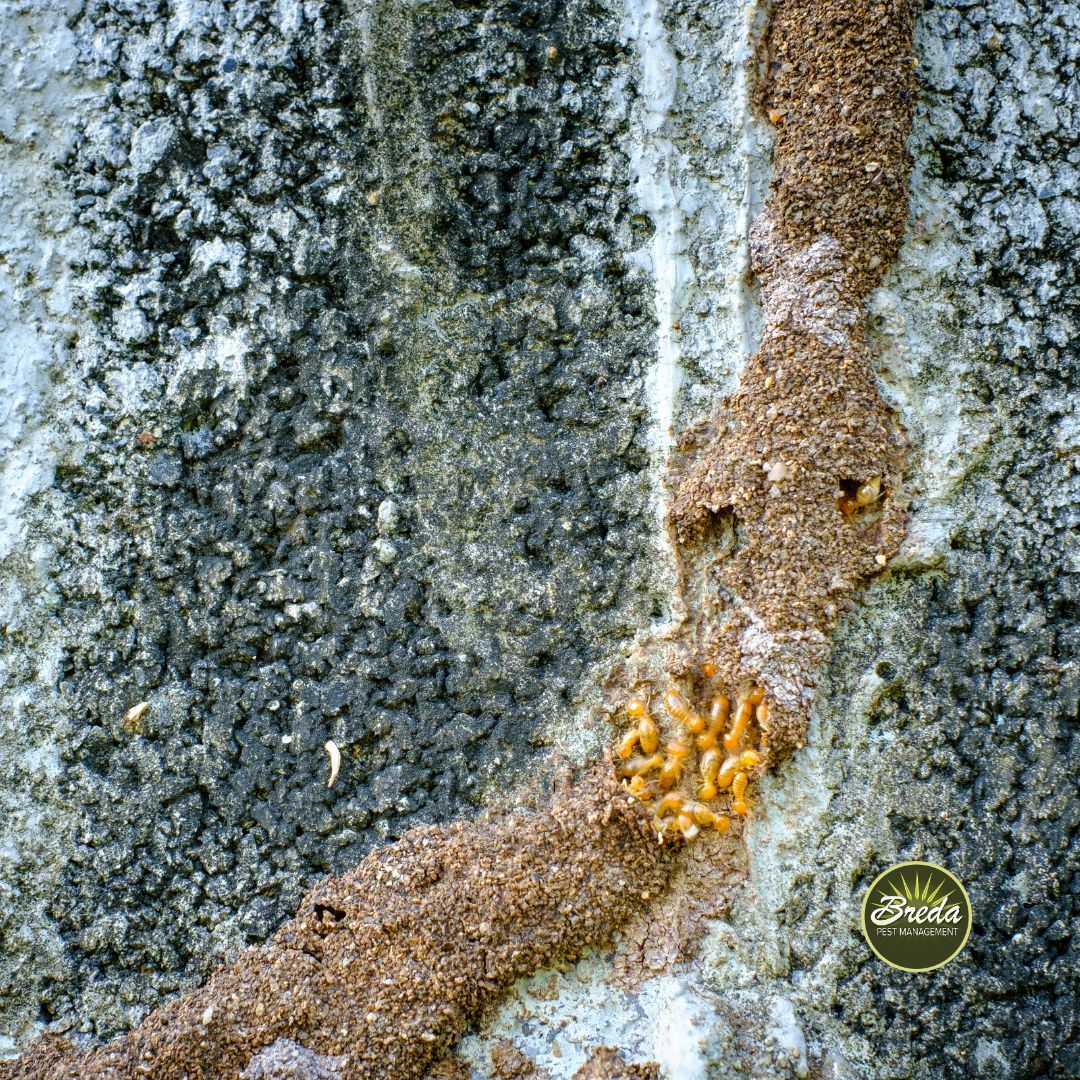
Step 1: Know which termites you're preventing (because they don't all behave the same)
Different termites require different prevention strategies, so let's start with the basics:
Subterranean termites are the most common destructive termite in the U.S. They live in the soil and build mud tubes to reach food sources (like your home).
Drywood termites can infest dry wood and don't require soil contact.
Dampwood termites are attracted to moist, rotting wood.
In Metro Atlanta, the biggest "home structure" concern is usually subterranean termites so when you see advice on how to prevent subterranean termites in Atlanta GA, it's typically focused on moisture control, soil contact, and creating a protected zone around your foundation.
And here's one more key point: early identification dramatically reduces repair costs. That's why a regular termite inspection in Atlanta GA matters—even when everything "seems fine."
If you're local, start with BREDA's approach here: Termite Control & Protection. BREDA offers a free termite inspection Atlanta GA homeowners can schedule when getting an estimate for preventative treatment, and their inspections include advanced tech like infrared and moisture readings—not just a flashlight sweep.
Step 2: Eliminate moisture around your foundation (because termites thrive in damp)
Termites thrive in damp environments, especially subterranean termites which need moisture to survive.
A few common Atlanta-area moisture culprits:
Poor drainage and soil that stays wet near the foundation
Leaky pipes or HVAC condensation lines dripping near the house
Clogged gutters overflowing onto the perimeter
Crawlspaces with poor ventilation that trap humidity
Moisture readings are commonly used during inspections because higher moisture can correlate with termite risk/activity.
Moisture-focused prevention tips:
Repair plumbing leaks immediately (even "small" ones)
Clean gutters and make sure downspouts carry water away from the foundation
Grade soil so water drains away instead of pooling
If you have a crawlspace, consider a vapor barrier and moisture control so humidity doesn't sit under the home
(If you're seeing chronic moisture issues—standing water, persistent musty smell, damp crawlspace—put that on your termite-prevention checklist ASAP. Moisture is the multiplier.)
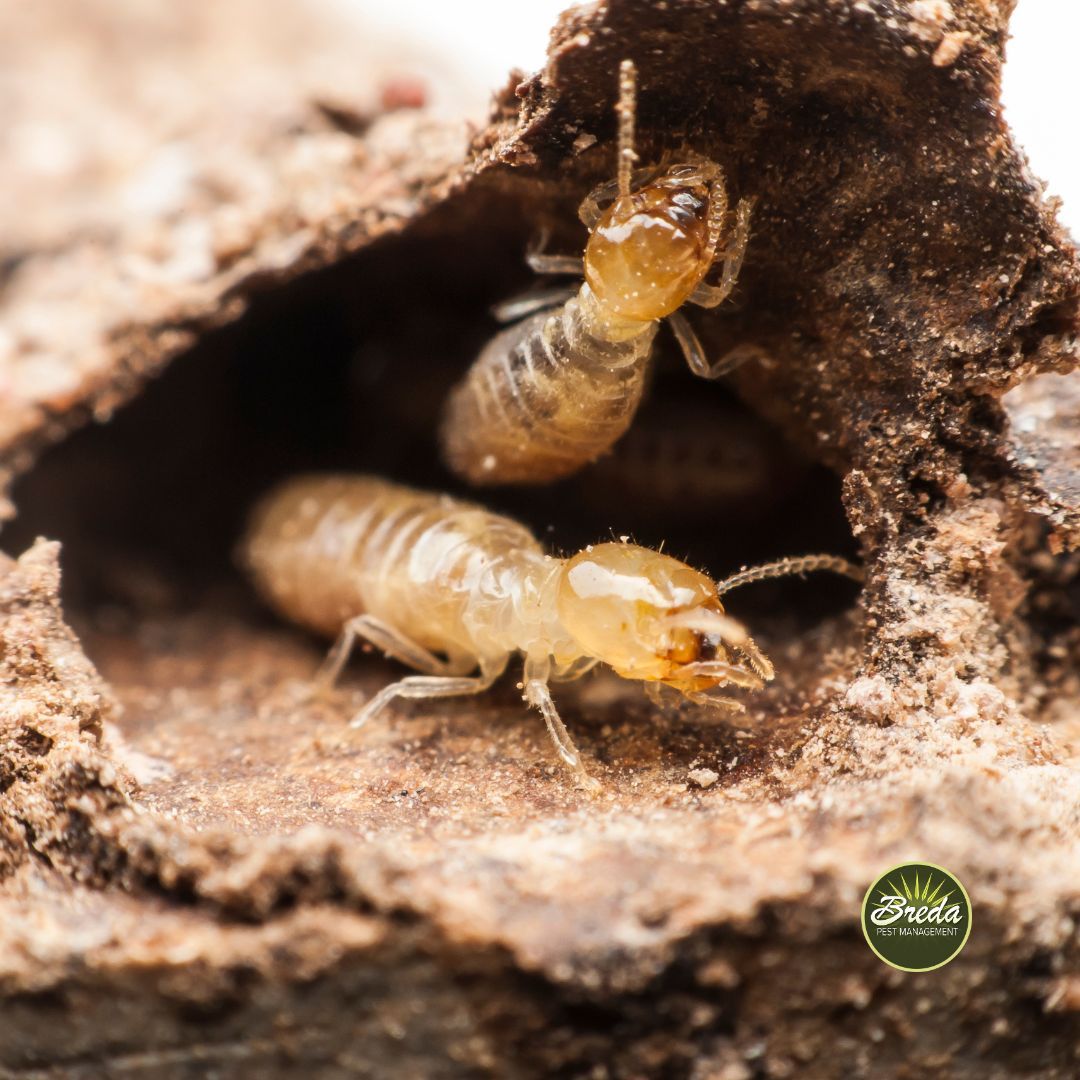
Step 3: Remove wood-to-soil contact (this is the easiest termite shortcut to fix)
Direct wood contact with soil is basically termites getting VIP access.
Examples of wood-to-soil contact around many homes:
Porch steps touching the ground
Deck posts set directly into soil
Fence posts attached to the side of the home
Siding or lattice touching soil
Firewood stacked against the house
Prevention tips that actually work:
Maintain at least 6 inches between soil and wood where possible
Use concrete bases/footers for deck and fence posts (instead of raw wood in soil)
Store firewood at least 20 feet away from the home
Keep structural wood dry and visible—termites love hidden entry points
This is also a "make inspections easier" tip: when wood is buried or pressed into mulch, it's harder to spot early warning signs.
Step 4: Landscaping can deter termites⦠or invite them
Let's talk landscaping, because this is the sneaky part of termite prevention Atlanta GA homeowners rarely connect.
Mulch: helpful for plants, tempting for termites
Mulch retains moisture. Moisture attracts termite activity and supports the conditions subterranean termites prefer.
What to do:
Keep mulch 6-12 inches away from your foundation
Don't mound mulch up against siding (it traps moisture and hides tubes)
Keep mulch layers reasonable (thick mulch = longer moisture retention)
Tree stumps + buried roots = termite food courts
Old stumps, buried wood scraps, and roots can become feeding grounds and if they're close to the home, you've basically placed the buffet next to the front door.
What to do:
Remove dead trees and stumps when possible
Avoid burying wood scraps in landscaping beds
If you've had a tree removed near the home, consider checking for remaining roots/stump material
Dense vegetation against the house: moisture trap
When shrubs and plants are pressed up against exterior walls, airflow drops and moisture hangs around longer.
What to do:
Trim shrubs and plants away from exterior walls
Keep the foundation line visible (yes, even if it's not as "Pinterest" as you're going for!)
Step 5: Schedule regular professional inspections (because termites don't announce themselves)
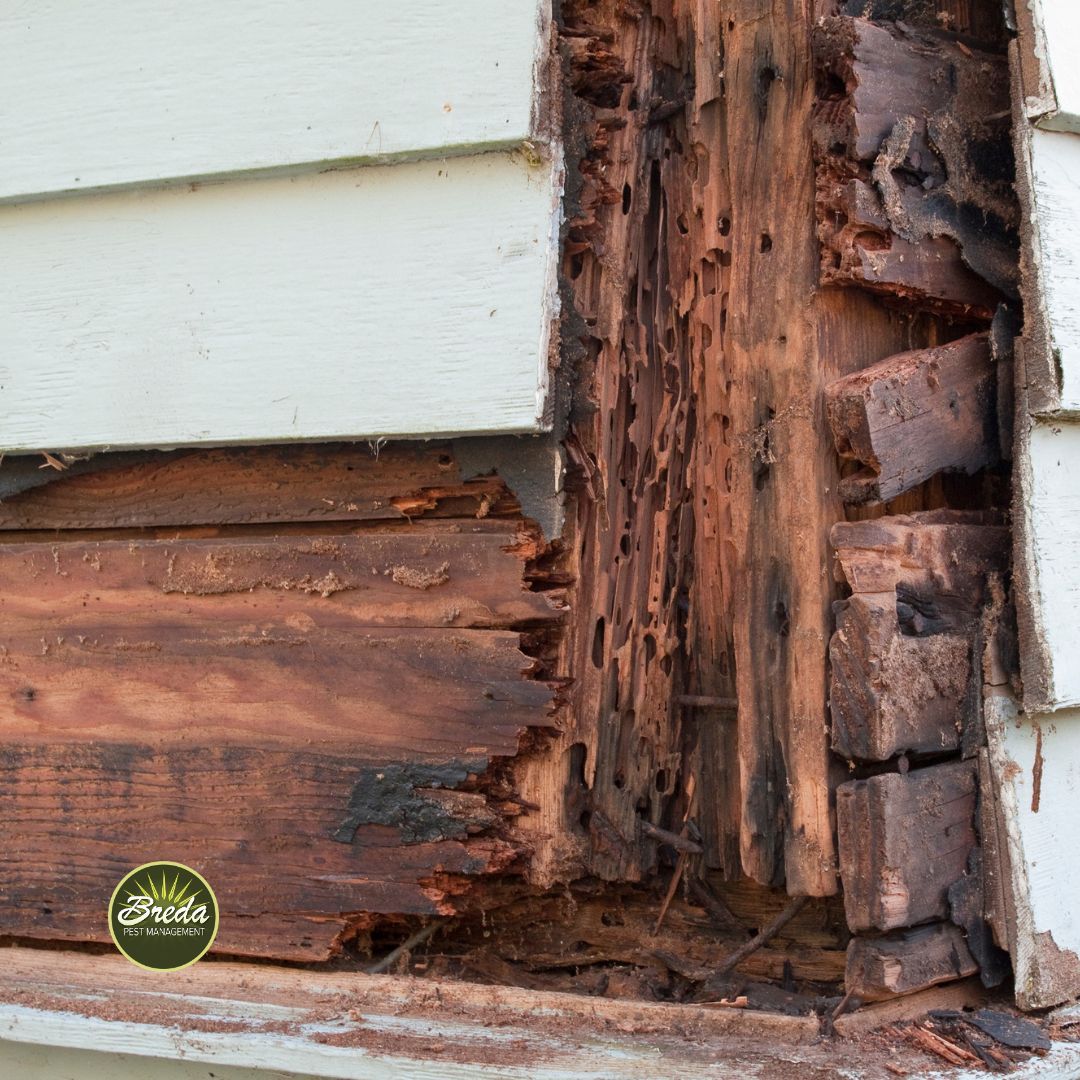
Termites are called "silent destroyers" for a reason: they can be active for months or years before damage is obvious.
Visible examples that should trigger an inspection:
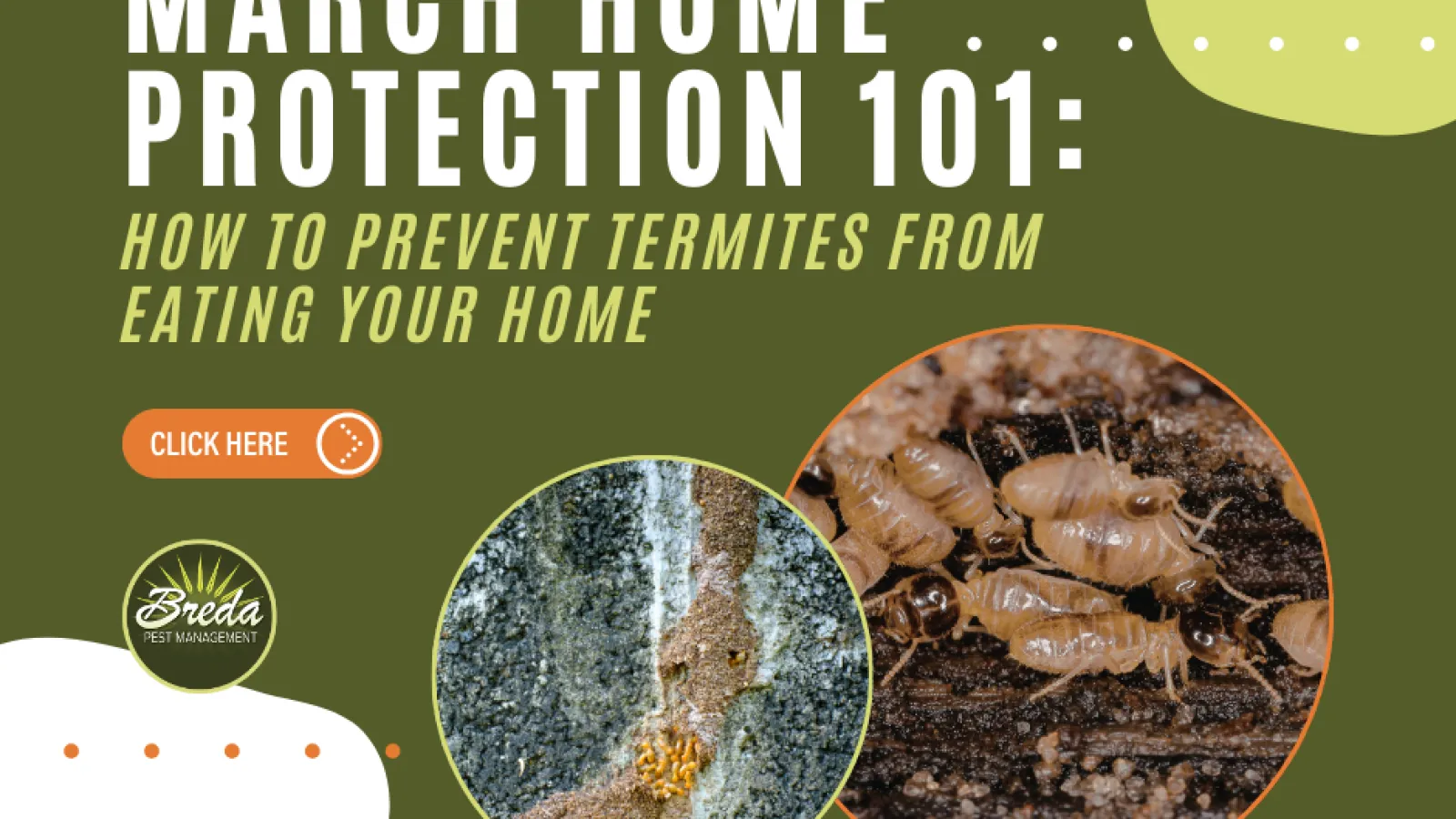
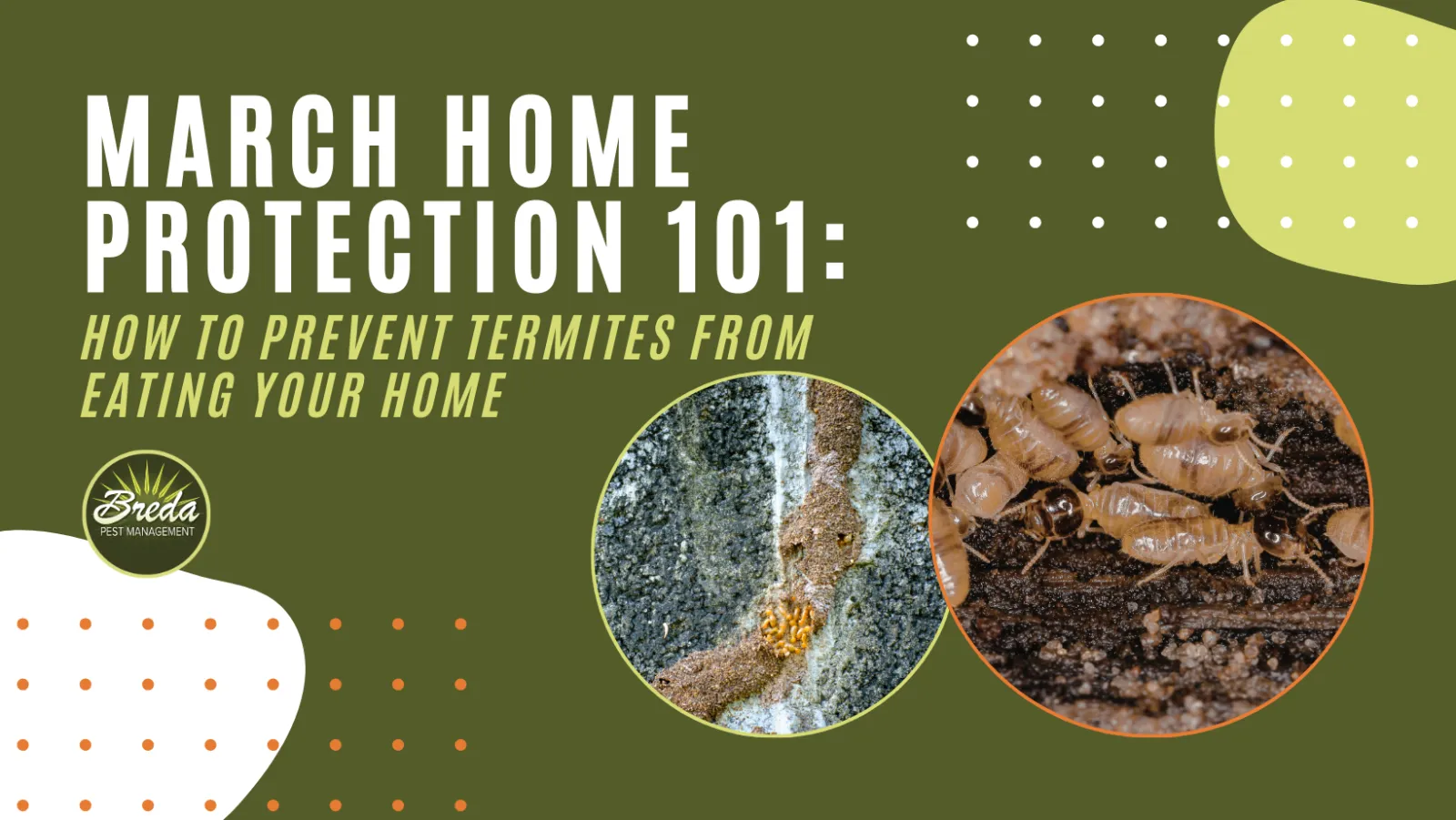
Mud tubes along foundation walls (or in crawlspaces)
Swarmers (especially indoors)
Discarded wings near doors/windows
Hollow-sounding wood, soft spots, or sagging flooring
BREDA puts a strong emphasis on inspections that cover both the interior and exterior of the home, because termites inside your home are what ultimately cause the expensive problems.
Schedule details and what to expect here: BREDA Termite Inspection & Protection.
Step 6: Use proactive termite treatments that stop infestations before they start
Landscaping fixes reduce risk. Inspections catch early activity. But if you want true "able to sleep at night" prevention, you need a proactive protection system.
BREDA uses proven termite protection methods based on what works best for the property:
Full liquid Termidor treatment
Trelona ATBS (Advanced Termite Bait Stations)
Option 1: Liquid termite barrier Atlanta GA homeowners trust
A liquid soil treatment creates a treated zone around your foundation—so termites can't cross without exposure. BREDA describes this as a proactive system designed to stop termites before they cause damage.
Termidor is widely used as a professional-grade non-repellent termiticide, with performance claims measured in months—not minutes—because the goal is colony-level control.
Option 2: Termite bait stations Atlanta GA homeowners use for ongoing monitoring
Bait stations work differently: termites forage, find the bait, and carry it back—allowing the active ingredient to spread through the colony over time. BREDA uses bait systems (including Trelona ATBS) as part of their prevention strategy when appropriate.
Key benefit: bait systems provide ongoing monitoring year-round.
The real secret: prevention is a system, not a one-time event
BREDA is very clear about this: what truly protects your home is not just treatment. It's ongoing inspections and monitoring.
Termite protection is like termite insurance you will need if termites come knocking, because most homeowners insurance policies don't cover termite damage.
Your March checklist to prevent termites (simple, doable, effective)
If you want the quick version, here it is:
Fix drainage + moisture issues near the foundation
Keep mulch 6-12 inches away from the house
Remove stumps, buried roots, and wood scraps near the home
Trim shrubs so exterior walls can "breathe"
Eliminate wood-to-soil contact (deck posts, lattice, siding, firewood)
Schedule a professional termite inspection Atlanta GA homeowners can rely on
Consider proactive termite treatment (liquid barrier, bait stations, or both)
If you want BREDA to help you set up protection now—before swarm season peaks—start here: Termite Control with BREDA Pest Management.
Because March is the perfect time to clean up the landscaping "invites" and put real protection in place. So termites never get the chance to make your home their next project.
If you're tired of wondering what the pests in or around your home are doing and just want them gone, don't hesitate to give us a call. The BREDA Guarantee promises to protect your home and keep it protected—no matter the circumstances. Schedule an inspection online or give us a call at 770-466-6700.