March in Metro Atlanta has a very specific vibe: pollen everywhere, a couple of fake-spring days, one surprise thunderstorm⦠and then—boom—someone in your neighborhood posts a blurry photo of a winged insect on a window sill with the caption: "Is this a termite??"
Termite season ramps up in spring, especially after warm rains, and Georgia homes are prime real estate for one particular troublemaker: subterranean termites Atlanta GA homeowners deal with every year.
So let's talk about what termites are, what "swarmers" actually mean, how to spot activity early, and what to do next if you find evidence—without spiraling into a DIY panic.
Termites: Small Bugs, Big Appetite
Termites are small, wood-destroying insects that live in organized colonies. Unlike ants, termites feed on cellulose—the main component found in wood, paper, and plant-based materials. Translation: your home's structure can look like an all-you-can-eat buffet if conditions are right.
Here are a few key termite facts to keep in your back pocket:
Termites can cause serious property damage (and they're sneaky about it).
Colonies can range from thousands to hundreds of thousands (or more).
They're often called "silent destroyers" because damage can happen behind walls and under floors before you ever see a bug.
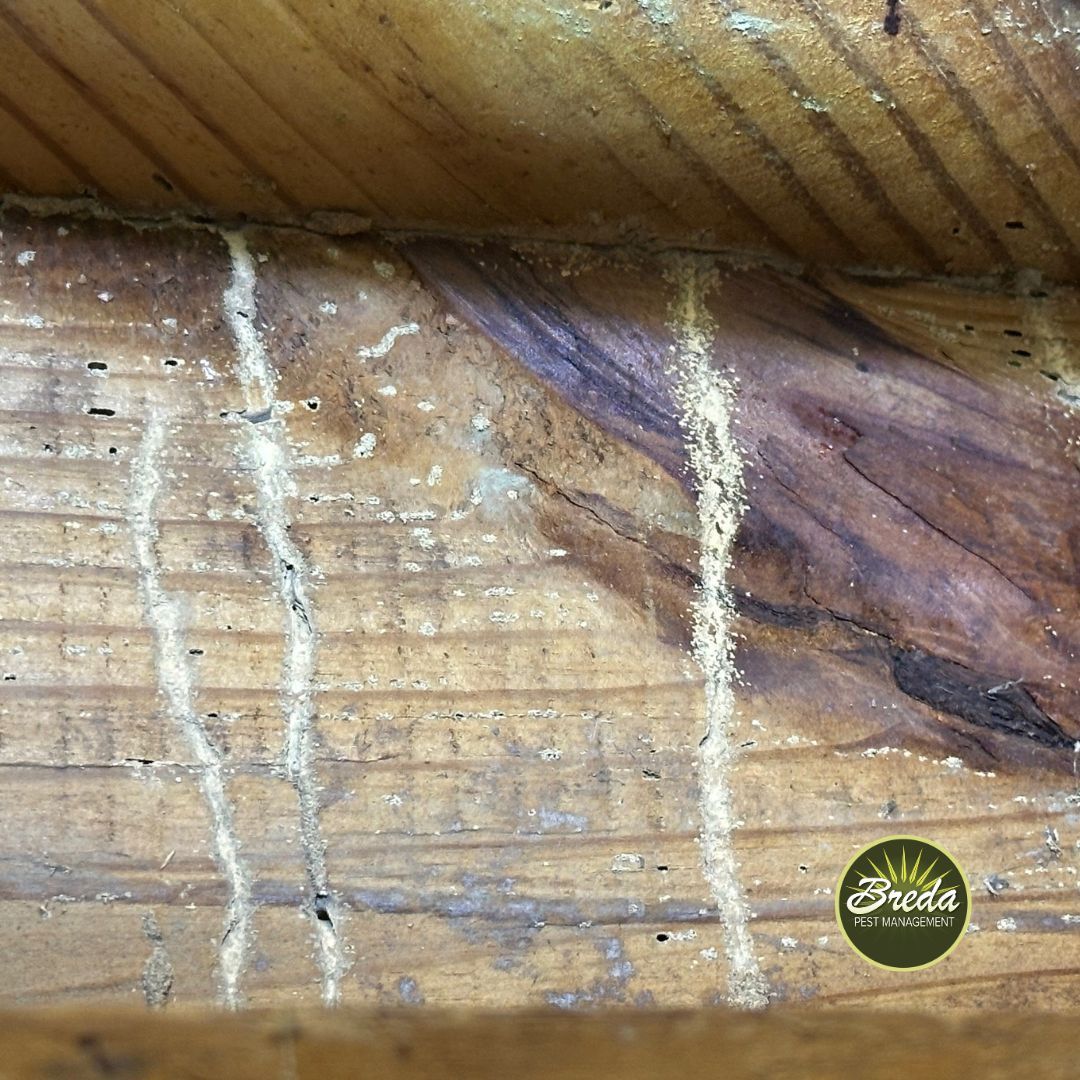
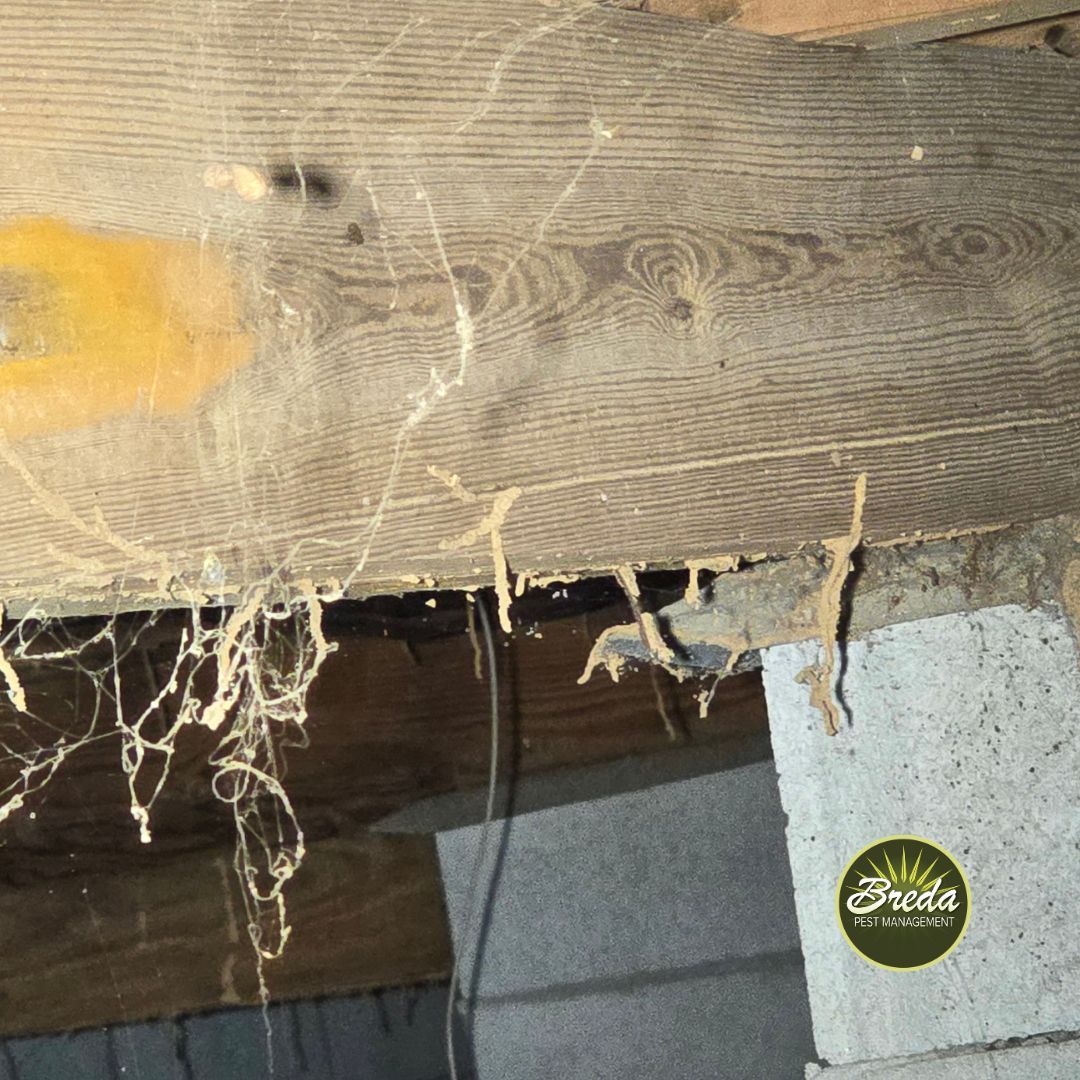
Subterranean termites live in soil and can build shelter tubes to travel and stay protected while they feed.
Most common termite types in the U.S. include:
Subterranean termites
Drywood termites
Dampwood termites
In Georgia, subterranean termites are the big headline.
Termite Swarmers: What They Are (and Why They Matter)
Termite swarmers are reproductive termites. Their job is to leave the colony, mate, and start new colonies. Swarming typically happens in spring/early summer—often after rain—when conditions are warm and humid.
Important: swarmers don't mean "one random bug wandered in." If you see termite swarmers in your house in Atlanta GA, that can indicate an active colony nearby (sometimes in your home, sometimes right outside it).
Signs of termite swarmers
Discarded wings on window sills or near doors
A sudden appearance of flying insects indoors (often mistaken for flying ants)
And yes, those wings can be the biggest clue—because termite wings often fall off easily after they land.
Flying Ants vs Termite Swarmers: Atlanta's Most Confusing Spring Mystery
One of the biggest misconceptions is confusing termite swarmers with flying ants. And to be fair—nature did not make this easy.
If you're wondering how to correctly identify flying ants vs termite swarmers in Atlanta GA, here's a quick cheat sheet you can actually use:
Termite Swarmer
Waist: straight, uniform body
Antennae: straight
Wings: two pairs, equal length
Body shape: thick and straight
Flying Ant
Waist: narrow, pinched
Antennae: bent (elbowed)
Wings: front wings longer than back wings
Body shape: segmented and defined
Because they're so similar, homeowners often dismiss swarmers as "just ants" and miss a major early warning sign.
Other Signs of Termite Activity Around Your Home
Swarmers are the flashy sign. But termite activity often shows up in quieter ways:
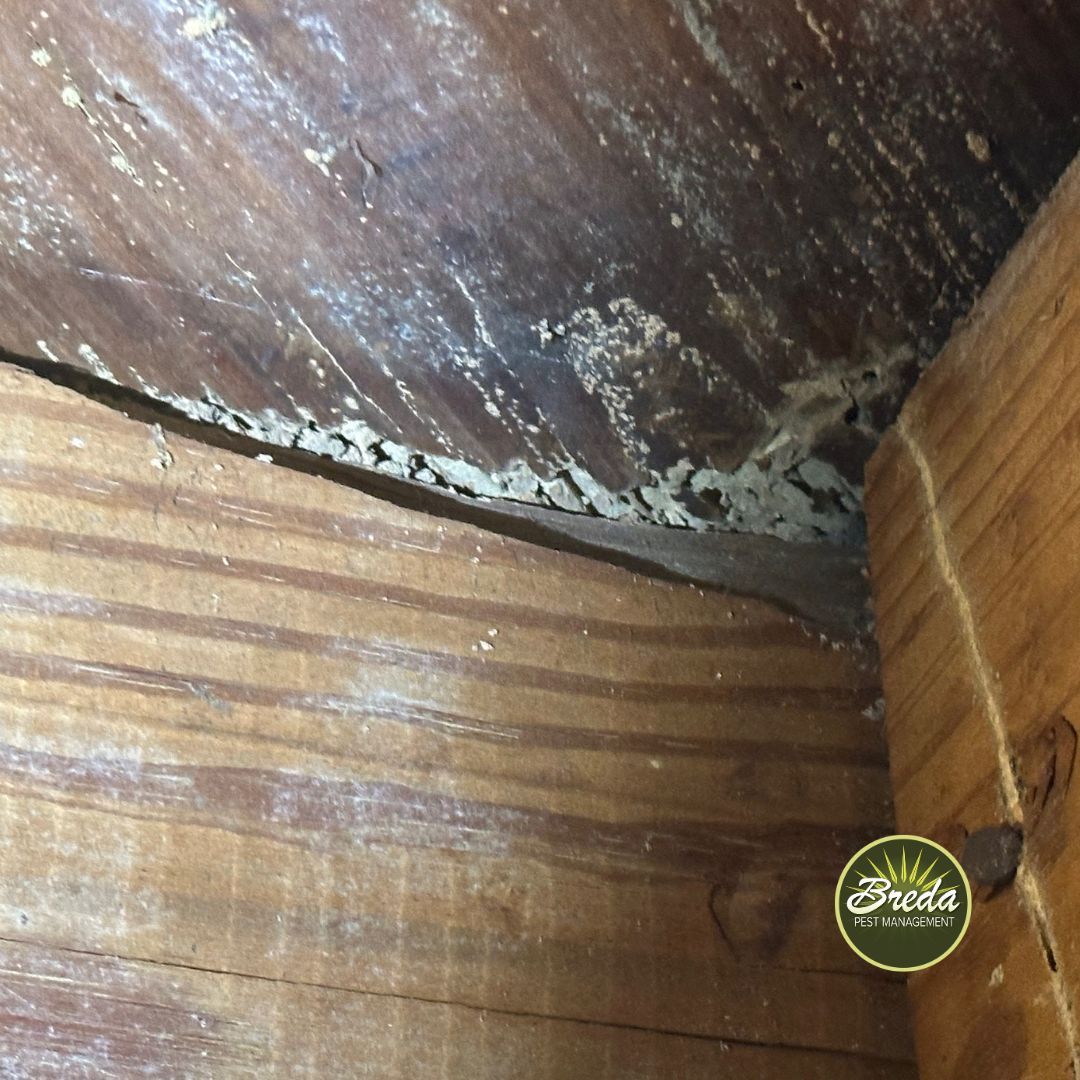
Mud tubes (shelter tubes): pencil-width tunnels on foundation walls, crawlspace piers, or garage walls
Wood that sounds hollow when tapped
Bubbling or blistering paint (termite moisture can mimic water damage)
"Wood rot"- looking damaged (sometimes mistaken for moisture rot)
If you're seeing any of the above, it's time to consider termite control Atlanta GA homeowners can trust—because termites don't wait for convenient timing.
What To Do If You Think You Have Termites
If you suspect activity, here's the best order of operations:
Don't spray anything.
Store-bought sprays don't eliminate colonies, and they can make termites scatter or become harder to detect.Save evidence (if you can).
A photo of wings, mud tubes, or damaged wood helps.Schedule a professional inspection.
A proper termite inspection Atlanta GA should include both interior and exterior checks—because termites inside the structure are what cause the most damage.
If you're local, start here: BREDA's termite control services (and yes—March is a smart time to get on the calendar).
Why Annual Termite Inspections Are Worth the Money
Let's be blunt: termites are expensive. Not just to treat but to also repair after they've been eating your home in silence.
An annual termite inspection in Atlanta GA is worth it because:
Termites hide well. They can stay behind walls, under flooring, and inside structural wood.
Early detection reduces repair costs. Treatment is one thing. Structural repair is another.
A good inspection checks high-risk areas like crawlspaces, attics, foundations, and wood structures.
Indoor swarmers can be a clue that there's an active colony nearby—meaning timing matters.
Also: many homeowners insurance policies don't cover termite damage (because it's considered preventable maintenance), which is exactly why prevention is the smarter investment.
How BREDA Approaches Termite Protection (and What Makes It Different)
BREDA's termite approach is simple: don't just treat the dirt—look for what's happening inside the home. Their inspections cover both the exterior and interior so activity doesn't get missed.
A few standout pieces of the BREDA process:
Advanced detection tools
BREDA uses infrared cameras and moisture readings during inspections—helpful for spotting anomalies before visible damage shows up.
Termite treatment options (based on your home)
When it comes to termite treatment in Atlanta GA, there isn't a one-size-fits-all solution. BREDA may recommend:
Liquid termite barrier Atlanta GA homeowners use for strong perimeter protection
Termite baiting system Atlanta GA homeowners prefer for ongoing monitoring
Or a combination for layered defense
Liquid Termite Barrier (how it works)
BREDA's liquid treatment is injected into the soil around the foundation to create a treated zone termites can't cross without exposure. It's non-repellent, meaning termites can unknowingly transfer it through the colony. Proper application often requires trenching and drilling around the foundation.
Termite Baiting System (how it works)
Bait stations are installed around the property. Worker termites carry bait back to the colony, which impacts the population over time. These systems provide year-round monitoring, and colony elimination can take weeks to months depending on size and conditions.
Termite Warranty: The Peace-of-Mind Part Homeowners Actually Want
BREDA frames termite protection like termite insurance—because the goal is to prevent the kind of damage you'd otherwise pay for out of pocket. We also offer a 10-year rate lock, which is a big deal in an industry where annual increases are common.
BREDA's guarantee includes retreatment if live termites are found, and our termite guarantee is designed to protect long-term and is backed by ongoing inspections.
(If you want to explore this in detail, start with BREDA's termite control page and then use the Schedule Service button to get on the calendar.)
The "Fun" Fact (Not Really): Termites Don't Sleep
Termites work 24/7, 365 days a year. They may slow down in winter, but spring is when swarm activity spikes—and March is when a lot of Georgia homeowners first realize termites are part of the homeownership experience.
If you've seen swarmers, wings, mud tubes, or suspicious wood damage, don't talk yourself out of it. Get eyes on it.
Because the earlier you catch termites⦠the cheaper, cleaner, and less stressful this whole story is.
If you're tired of wondering what the pests in or around your home are doing and just want them gone, don't hesitate to give us a call. The BREDA Guarantee promises to protect your home and keep it protected—no matter the circumstances. Schedule an inspection online or give us a call at 770-466-6700.