
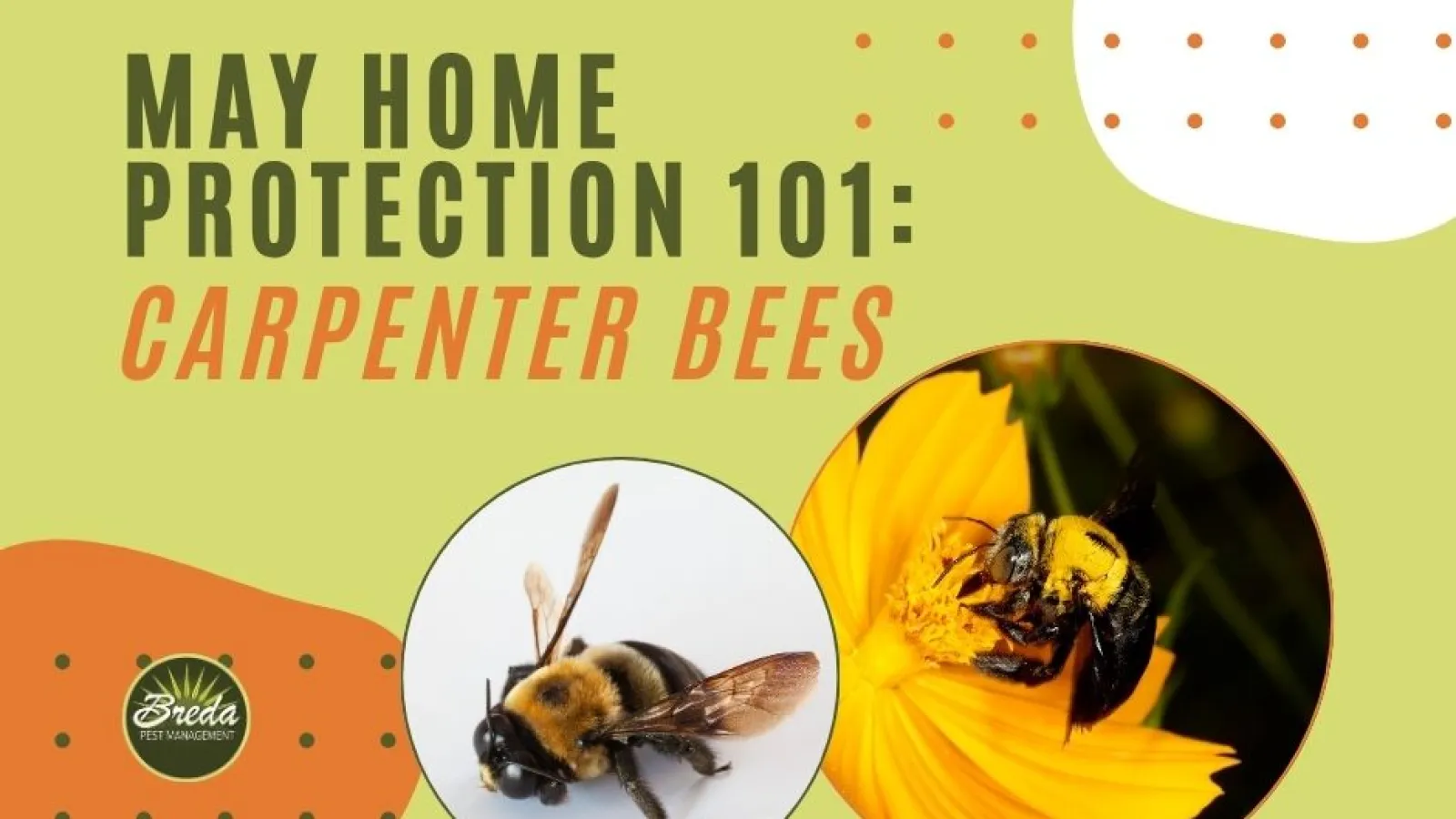
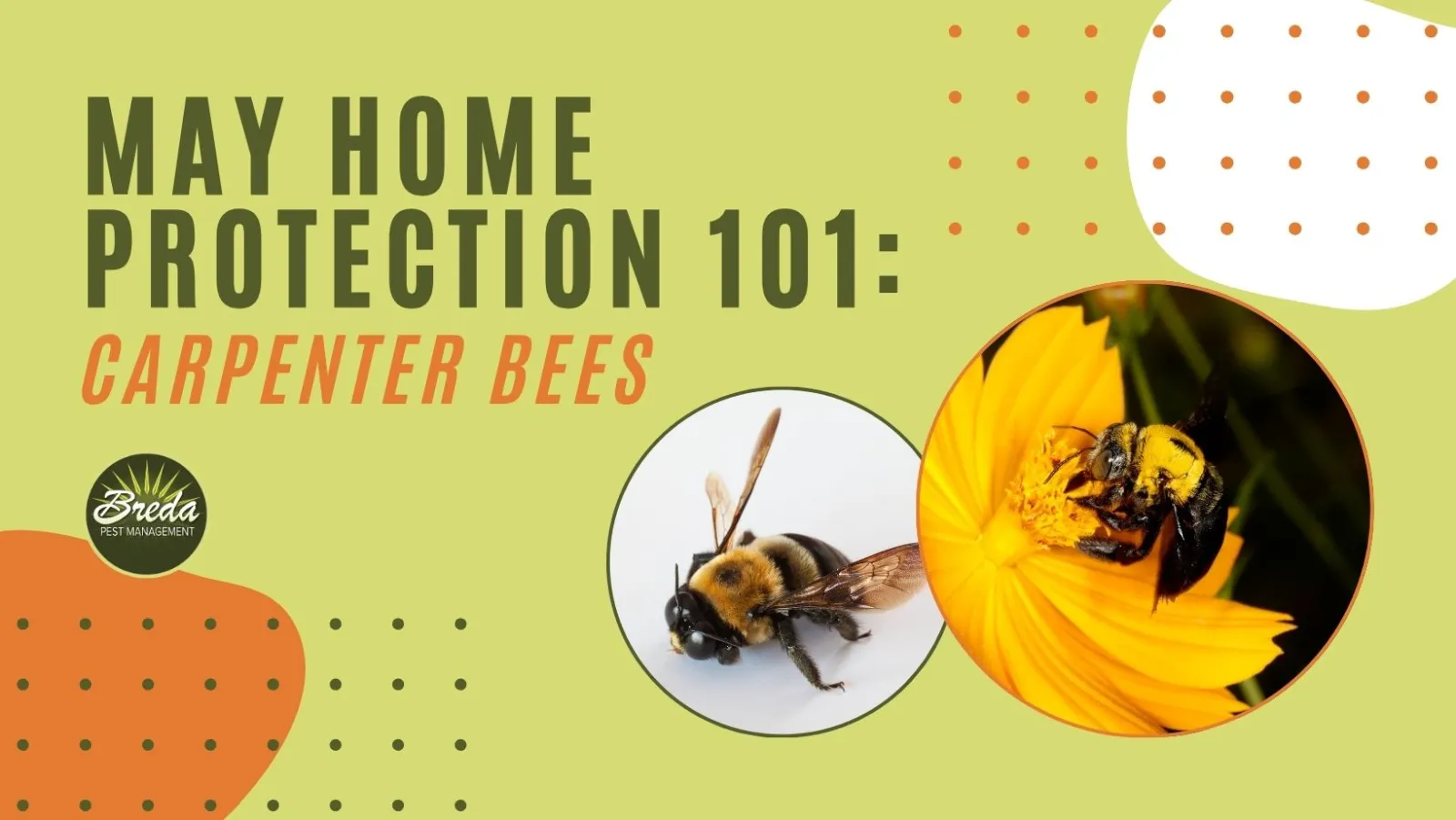
May is one of the busiest months for carpenter bee activity in Georgia. The weather is warmer, the wood around your home is heating up in the sun, and carpenter bees are deep into mating and nesting season. For homeowners, this is often the first time they notice something is happening.
At first, it might look harmless. A few bees hovering near the deck. A little buzzing around the fence. One perfectly round hole in a piece of wood that you are almost sure was not there last week.
But carpenter bees can become a bigger issue if they're allowed to return to the same areas year after year. They don't eat wood like termites, but they do drill into it to create nests. And over time, that can lead to visible damage, recurring activity, and repairs no homeowner was hoping to add to the spring to-do list.
So let's talk about the early signs of carpenter bees Georgia homeowners should watch for, where carpenter bees are most likely to target around the home, and how to prevent carpenter bees in Georgia before small signs turn into bigger problems.
Why Carpenter Bees Are So Active In May
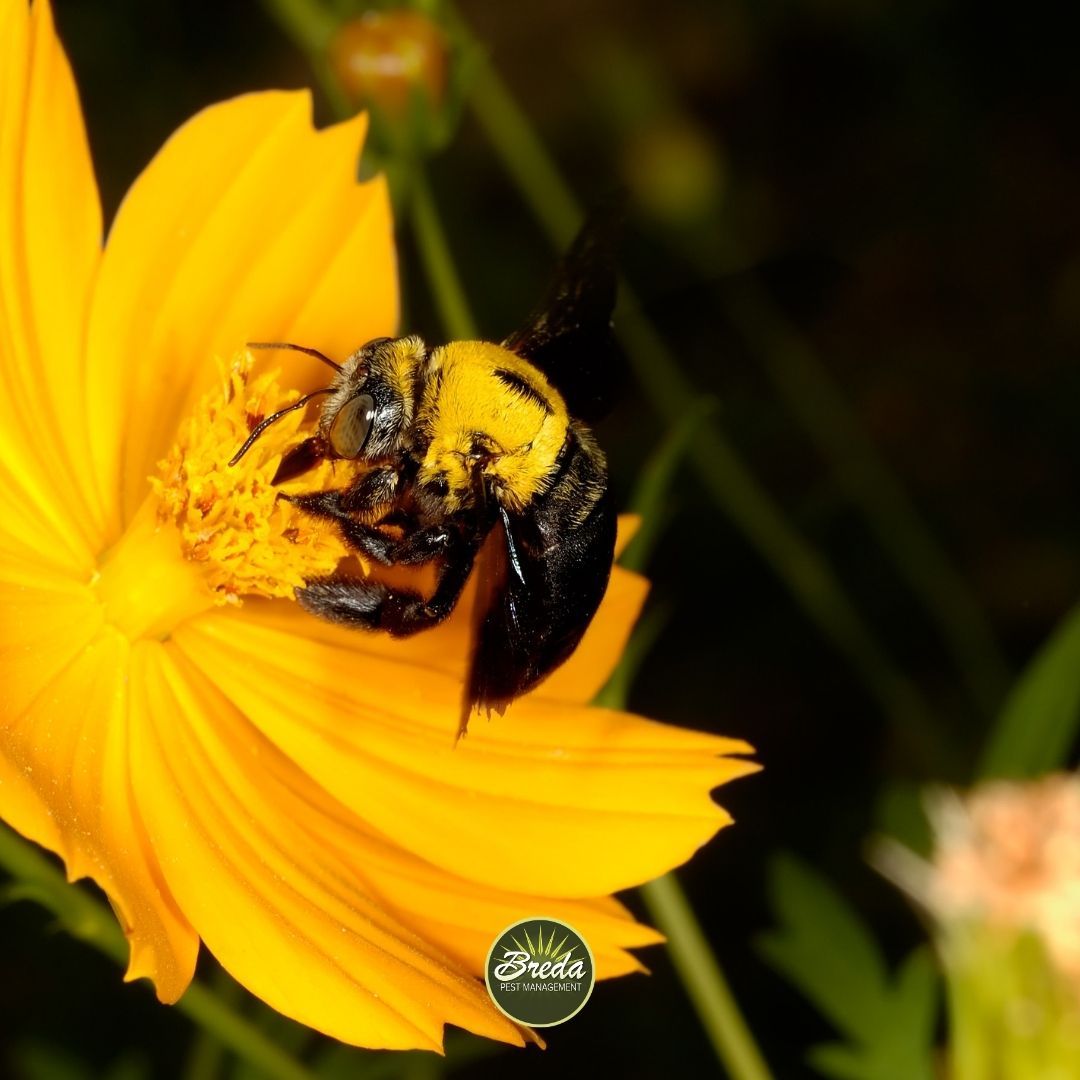
Warmer temperatures trigger mating and nesting behavior for carpenter bees. Female carpenter bees begin actively searching for wood where they can lay eggs, while male carpenter bees become more visible as they hover and guard nesting areas.
That hovering behavior is often what gets homeowners' attention first.
Male carpenter bees are known for flying close to people, pets, and structures, but they cannot sting. Their behavior is territorial and dramatic, not dangerous. Females can sting, but they rarely do unless directly handled or threatened.
The bigger concern for your home is what the females are doing when they are not making a scene. Female carpenter bees drill into wood to create tunnels for their eggs. According to the University of Georgia Extension, carpenter bees bore into wood to create nesting sites, and repeated nesting can damage wooden structures over time.
So if you are seeing increased activity around your home in May, it may be the first sign of a carpenter bee infestation Atlanta GA homeowners should take seriously.
Where Carpenter Bees Target Around The Home
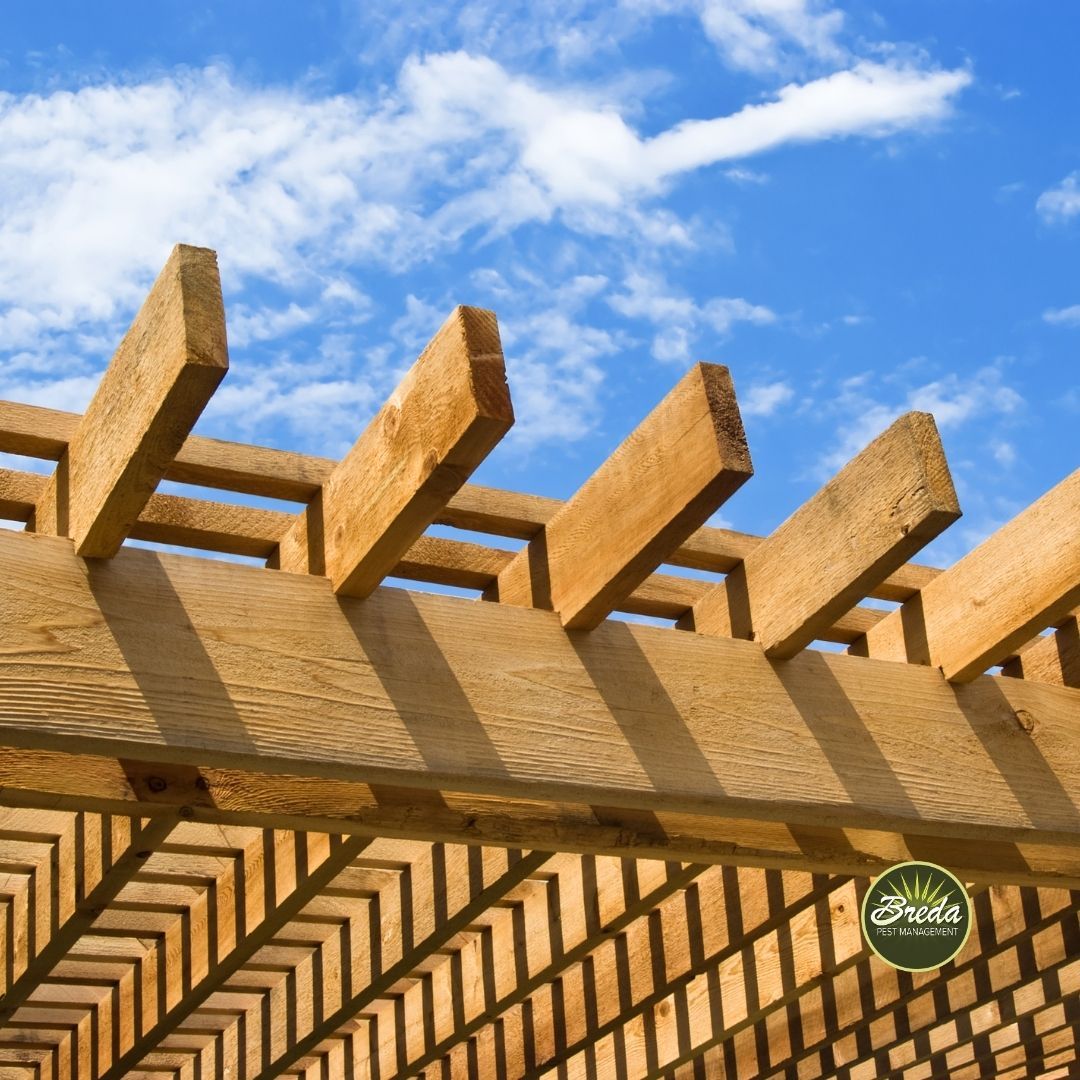
Carpenter bees are not usually interested in every piece of wood on your property. They tend to prefer exposed, untreated, weathered, or softened wood.
Around Georgia homes, the most common target areas include:
- Decks
- Fences
- Wooden siding
- Eaves
- Fascia boards
- Porch ceilings
- Outdoor furniture
- Pergolas
- Playsets
- Sheds
The University of Maryland Extension notes that carpenter bees are especially noticeable in late spring and early summer and often leave sawdust piles below perfectly circular holes in wood surfaces around the home.
If your home has older wooden features, unsealed areas, or wood that has been weathered by Georgia heat, humidity, and rain, those areas may be more vulnerable to carpenter bee activity.
This is why carpenter bee treatment Atlanta suburbs homeowners can trust is especially important during peak season. Once carpenter bees find a good nesting site, they may return to that same area again in future years.
Rude? Absolutely. Surprising? Unfortunately, no.
Early Warning Signs Of Carpenter Bee Damage
Spotting carpenter bees early can help prevent costly repairs. The key is knowing what to look for before the damage becomes more noticeable.
Here are the most common early warning signs:
Perfectly Round Holes
One of the clearest signs of carpenter bees drilling holes in wood Atlanta homeowners may see is a round hole about the size of a dime. These holes are usually clean and smooth, almost like they were made with a small drill.
Female carpenter bees create these holes as entry points to their nesting tunnels.
Sawdust-Like Debris
If you see sawdust-like material beneath a round hole, that is another strong sign of carpenter bee activity. As the female drills into the wood, small bits of wood may fall below the opening.
Bees Hovering Near Wooden Surfaces
Seeing bees hovering near decks, fences, fascia boards, or eaves can be an early sign that nesting activity is happening nearby. Males may hover around the area while females work on the nest.
Staining Around Holes
You may also notice yellowish or brownish staining around carpenter bee holes. This can be caused by bee droppings over time and is another clue that the hole is active or has been used repeatedly.
Woodpecker Damage
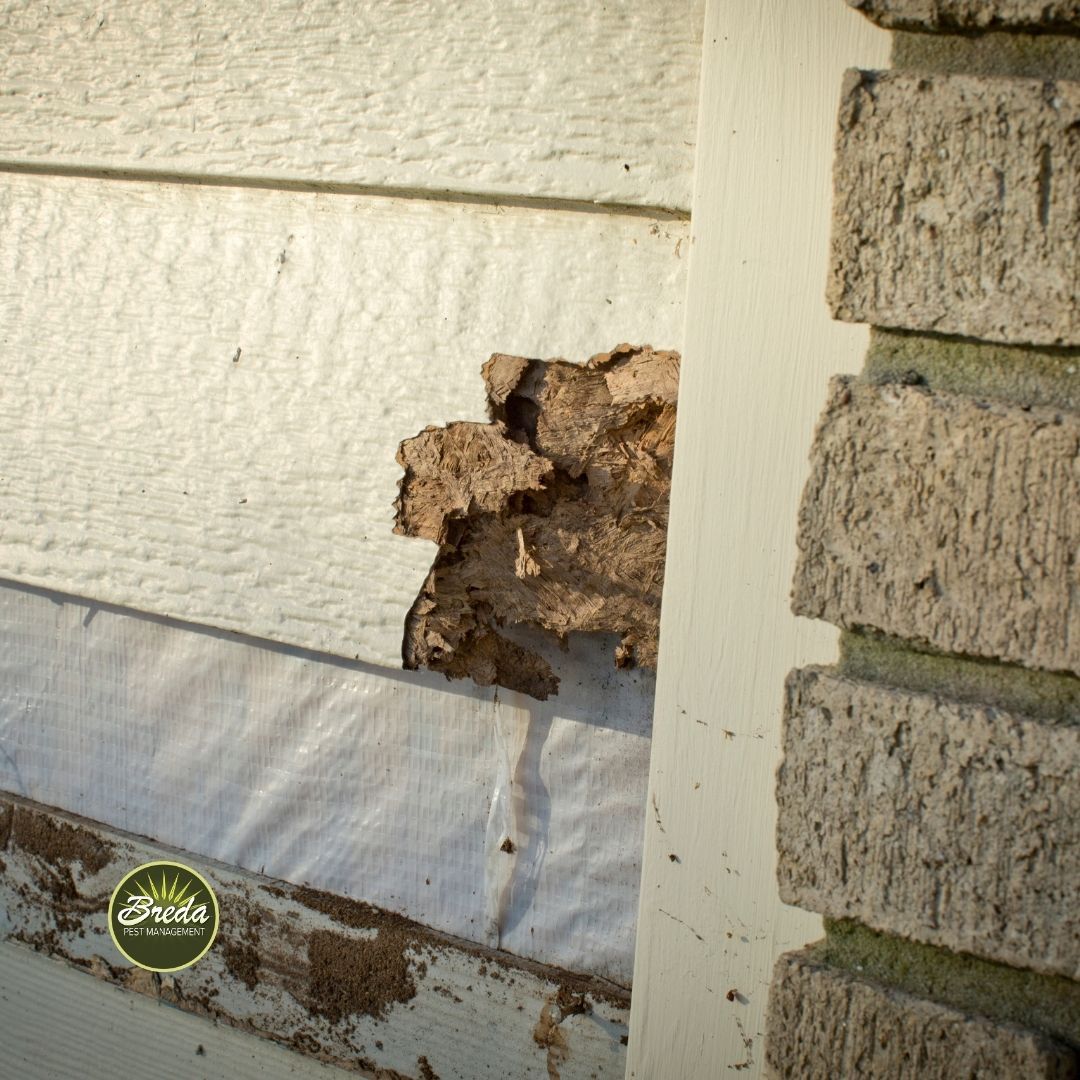
This one catches homeowners off guard. Carpenter bee larvae can attract woodpeckers, who may peck into wooden surfaces to reach the larvae inside. So even if the bee damage seems small at first, it can lead to additional exterior damage from birds.
When homeowners search for carpenter bee damage on Georgia homes, this is usually the pattern they are trying to understand: small holes, repeated activity, and then damage that seems to spread.
Do Carpenter Bees Eat Wood?
No. Carpenter bees don't eat wood.
This is one of the most important differences between carpenter bees and termites. Termites consume wood and cellulose materials. Carpenter bees drill into wood only to create nests.
Purdue Extension explains that carpenter bees do not eat wood and instead feed primarily on pollen from flowers. The concern for homeowners is the structural and cosmetic damage they can cause by boring into wood, especially over time. (Purdue Extension)
Simple Prevention Steps For Georgia Homeowners
The good news is there are practical steps homeowners can take to reduce the risk of carpenter bee activity.
Paint Or Seal Exposed Wood
Carpenter bees prefer untreated surfaces, so painting or sealing exposed wood can help make your home less attractive. UGA Extension notes that carpenter bees may avoid oil-based painted wood for nesting, though painting does not make wood completely bee-proof. (UGA Extension)
If you have bare or weathered wood around decks, fences, railings, eaves, or fascia boards, spring is a smart time to inspect and refresh those surfaces.
Fill Old Holes
Carpenter bees often return to old nesting sites. Filling old holes can help reduce the chance of repeat activity, especially once you are sure the infestation is no longer active.
Because timing matters, homeowners should be cautious about sealing holes too early. If bees or larvae remain inside, the problem may continue or reappear nearby.
Replace Damaged Wood
If wood is soft, rotting, splintered, or heavily weathered, replacing it may help reduce future carpenter bee activity. Damaged wood is easier for bees to drill into and may be more vulnerable to repeat nesting.
Inspect Your Home In Spring
A quick spring inspection can go a long way. Look at decks, fences, fascia boards, eaves, porch ceilings, and outdoor furniture. Check for round holes, sawdust, staining, and hovering bees.
Preventative maintenance is key during peak months like May.
When DIY Is Not Enough
If you only see one or two bees and no signs of damage, prevention and monitoring may be enough.
But if you notice multiple holes, recurring activity, or signs of structural damage, it is time to call a professional. DIY methods may provide temporary relief, but carpenter bee infestations often return without proper treatment.
That is where professional carpenter bee pest control Atlanta services can help.
A trained pest control expert can identify active nesting areas, treat the areas where carpenter bees are boring, and help prevent new holes from forming. This is especially important if carpenter bees have returned to the same part of your home for multiple seasons.
If you want to know how to get rid of carpenter bees in Georgia, the real answer is not just getting rid of the bees you see. It's treating the active areas and reducing the chances of future nesting.
BREDA's Carpenter Bee Treatment
For homeowners looking for carpenter bee control Atlanta GA, BREDA Pest Management offers targeted carpenter bee treatment designed to address active boring areas and help prevent new activity.
BREDA offers a residual treatment on all areas where carpenter bees are boring holes. Any visible holes are treated with a dust, then remaining areas are treated with a residual product to help prevent bees from boring new holes. The focus is on treating the areas where carpenter bees are active and discouraging future boring.
It is important to note that BREDA's carpenter bee control does not patch or plug holes.
BREDA's broader pest control services are designed to protect Atlanta homes inside and out, with treatments tailored to the pest issue and the property. BREDA emphasizes targeted service, exterior protection, and customized treatment plans for Atlanta-area homeowners.
So whether you are searching for carpenter bee exterminator Atlanta GA, carpenter bee control near your home, or a trusted pest professional who understands Georgia's seasonal pest pressure, BREDA can help protect your home before carpenter bee activity becomes a bigger headache.
Protect Your Home Before Carpenter Bees Settle In
Carpenter bees may be fascinating to watch, but your deck, fence, fascia boards, and porch ceilings do not need to become part of their nesting plan.
If you are seeing large bees hovering near wooden areas, perfectly round holes, sawdust-like debris, or staining around entry points, do not ignore it. May is the time to pay attention because this is when carpenter bees are most active around Georgia homes.
A little prevention now can help reduce damage later.
If you're tired of wondering what the pests in or around your home are doing and just want them gone, don't hesitate to give us a call. The BREDA Guarantee promises to protect your home and keep it protected—no matter the circumstances. Schedule an inspection online or give us a call at 770-466-6700.