If there's one pest that can ruin a perfectly good Georgia evening in about thirty seconds, it's the mosquito.
One minute, you're enjoying your backyard. The next minute, you're swatting your legs, scratching your ankles, and wondering why mosquitoes always seem to pick you first. Around Metro Atlanta, that frustration usually starts early and lingers for months, which is exactly why homeowners begin searching for mosquito control in Atlanta GA and how to get rid of mosquitoes in Atlanta as soon as spring settles in. BREDA's own mosquito program is built around that reality, with treatments running from March through October to stay ahead of mosquito season rather than chase it after it explodes. Our mosquito control service is designed to help homeowners reclaim their yards without creating unnecessary harm to pollinators. We do this by using targeted treatments, and avoiding flowering shrubs and trees when possible.
But enough about us. Let's learn more about these infamous Georgia pests!
Why do mosquitoes bite in the first place?
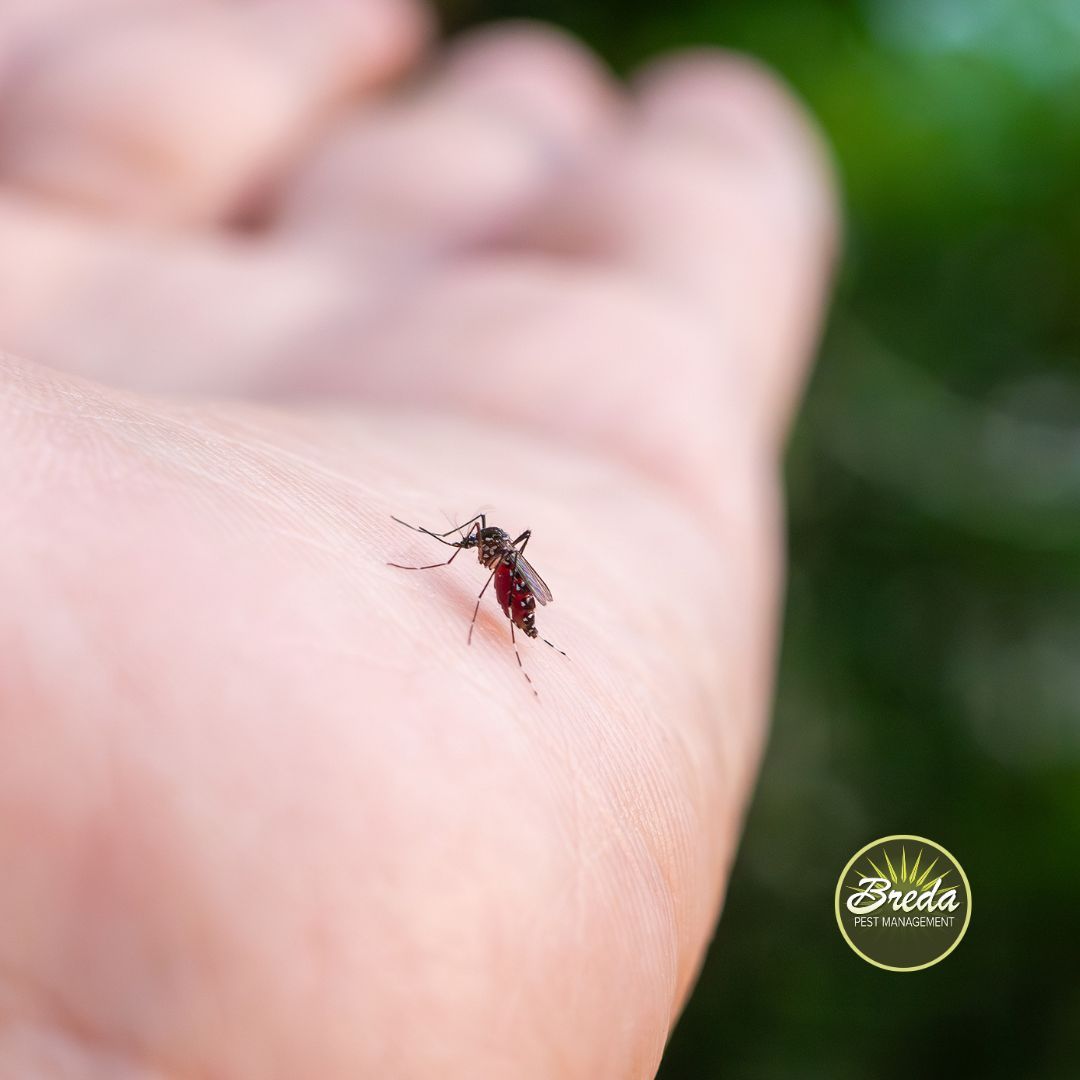
Here's the first unfair part: not all mosquitoes bite. Only female mosquitoes do. They need the protein in blood to help their eggs develop, while both male and female mosquitoes also feed on plant sugars and nectar. Female mosquitoes use a long mouthpart called a proboscis to feed.
So why do they seem obsessed with some people more than others? Mosquitoes are not choosing victims at random. They are highly tuned to cues like the carbon dioxide you exhale, your body heat, and chemicals in your sweat. Research reviewed by NIH also shows that human attractiveness to mosquitoes varies from person to person based on a mix of chemical and biological signals. That is why people who exercise often, sweat more, or simply run warm can seem like a mosquito magnet. Some evidence also suggests that people with Type O blood may get bitten more often than others, which may explain why one person at the cookout gets covered while someone else barely notices a thing.
And for a fun fact that feels slightly rude once you know it: mosquitoes do not use one simple needle to bite. Their proboscis is actually a bundle of six tiny tools working together to pierce skin, release saliva, and draw blood. Which is honestly more information than any of us wanted, but it does explain why a mosquito bite is a little more sophisticated than it looks.
Understanding the mosquito life cycle
If you want better Atlanta mosquito prevention for yards, it helps to know how fast mosquitoes reproduce. Mosquitoes move through four life stages: egg, larva, pupa, and adult. The earliest stages happen in water, which is why even tiny pockets of standing water around your property can turn into a mosquito nursery fast. The CDC says some mosquito species can go from egg to adult in as little as seven to ten days, and BREDA specifically targets that cycle by using insect growth regulators in water-prone areas to prevent immature mosquitoes from reaching adulthood.
That is what makes standing water mosquito prevention in Atlanta GA such a big deal. Mosquitoes don't need a pond. They can lay eggs in water collected in gutters, birdbaths, plant saucers, toys, tarps, clogged drains, and even something as small as a bottle cap once temperatures are warm enough. The UGA Extension emphasizes that eliminating standing water is the first and most effective step in reducing mosquito populations around the home. Larvae, often called "wigglers" because of the way they move in water, develop there before becoming pupae and then biting adults.
Why mosquitoes matter beyond itchy bites
Mosquitoes are more than annoying. According to the CDC, they are considered the world's deadliest animal because of the diseases they can spread. Globally, mosquitoes transmit illnesses including malaria, dengue, Zika, chikungunya, and West Nile virus. Not every mosquito carries disease, and only certain species act as vectors, but the public health risk is still real enough that mosquito prevention should never be treated like a cosmetic yard issue.
For homeowners here, West Nile mosquito prevention in Atlanta is especially relevant. The CDC states that West Nile virus is the leading cause of mosquito-borne disease in the contiguous United States. That does not mean every bite is dangerous, but it does mean reducing mosquito populations around your home is about more than comfort. It is about lowering risk for your family while making your yard more usable through the months when mosquitoes are most active.
How to prevent mosquitoes around your home
The best answer to how to get rid of mosquitoes in Atlanta is not one single trick. It is a layered approach.
Start with the obvious but essential step: remove standing water wherever you can. Empty birdbaths, flowerpot saucers, buckets, toys, wheelbarrows, and anything else that collects rain. Clean gutters regularly. Check low spots in the yard where there are water pools. If you have drainage pipes, decorative containers, or other hard-to-monitor spots, those may need extra attention too. UGA and EPA guidance both reinforce that cutting off the breeding habitat is one of the most effective ways to reduce mosquito numbers.
Next, protect yourself when you are outside. EPA says repellents containing active ingredients like DEET and picaridin are effective options. Wearing lighter-colored clothing, covering up with long sleeves when practical, and taking extra precautions at dawn and dusk can also help since those are prime activity windows for many mosquito species.
Then there is the piece many homeowners need most: professional treatment. BREDA's mosquito treatment service includes barrier sprays in the shaded areas where mosquitoes rest, plus growth-regulating or larvicide-focused treatments aimed at breeding sites. BREDA also structures service around monthly treatment cycles from March through October, which matters because Georgia's long warm season gives mosquitoes plenty of time to rebound without consistent pressure. If you are looking for a reliable mosquito spraying service in Atlanta GA or ongoing yard mosquito treatment in the Atlanta suburbs, consistency is what turns temporary relief into season-long control.
Do mosquitoes serve any purpose?
Annoyingly, yes.
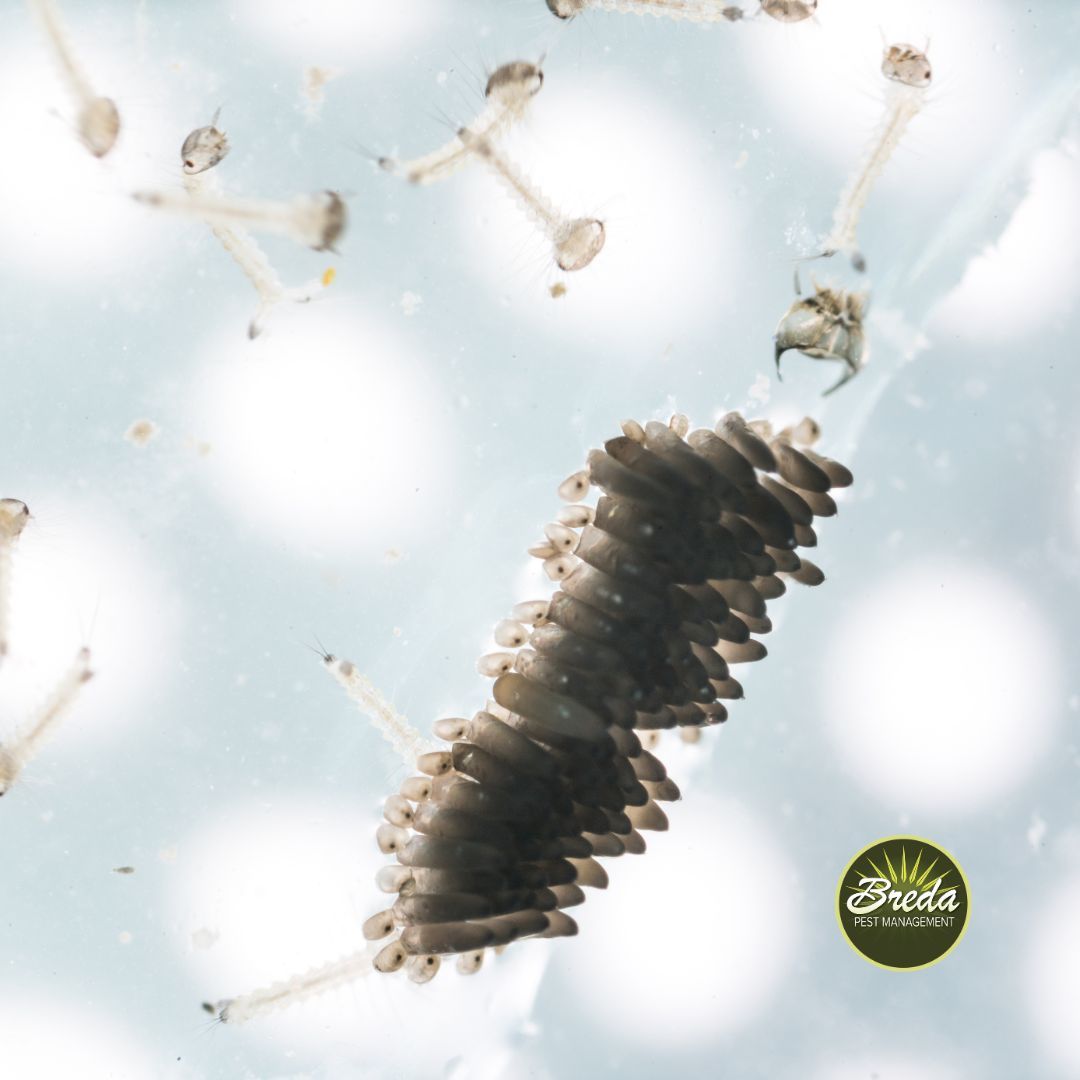
As much as no one wants more mosquitoes around, they do play a role in the ecosystem. Mosquitoes and their larvae provide food for birds, bats, fish, and amphibians. Some mosquito species also feed on nectar and can contribute to pollination. Their larvae help recycle organic matter in aquatic environments. So the goal isn't to erase them from the planet. The goal is to reduce mosquito pressure around your home so your family can enjoy your yard without being chased back inside.
Reclaim your yard this season with BREDA
Mosquitoes may be part of spring and summer in Georgia, but feeling trapped inside your own backyard does not have to be.
If you are tired of swatting through dinner on the patio, skipping outdoor playtime, or wondering whether your yard is quietly breeding the next wave of mosquitoes, BREDA can help. Our proactive, no-contract mosquito program is designed for Metro Atlanta homeowners who want practical, season-long relief with local expertise and responsive service. For homeowners searching for dependable mosquito treatment in Atlanta GA, this is the season to get ahead of the problem before mosquitoes settle in for the long haul.
If you're tired of wondering what the pests in or around your home are doing and just want them gone, don't hesitate to give us a call. The BREDA Guarantee promises to protect your home and keep it protected—no matter the circumstances. Schedule an inspection online or give us a call at 770-466-6700.