You know the sound.
It's quiet in the house—maybe the dishwasher is humming, maybe the heat just kicked on—and then you hear it: scratch⦠scurry⦠thump. Not loud enough to be obvious at first. But loud enough to make you pause and think, "Okay⦠what was that?"
In February, attic noises are one of the most common reasons Metro Atlanta homeowners call wildlife pros. Not because people are dramatic (although an attic roommate is objectively rude), but because cold weather pushes animals to get creative. When temperatures drop, wildlife starts looking for a warm, dry, protected place to nest—and attics check every box.
So if your home suddenly has an upstairs soundtrack, you're not alone. The good news: those sounds usually follow patterns. And once you know what to listen for, it's much easier to figure out what's up there, why it's happening, and what it takes to get your attic quiet again—without the DIY spiral.
Let's decode the most common causes of a scratching noise in your Atlanta GA attic in winter—and how to handle it the right way the first time.
Why attic noises are more common than you think (especially in February)
February in the Atlanta DMA is peak "temperature whiplash." One week it's frosty. The next week it's 62 degrees and your dog is sunbathing like it's April.
Wildlife responds the same way we do: it seeks stability.
Scratching, scurrying, and thumping are among the top reasons homeowners reach out for wildlife removal services during colder months because animals want:
Warmth (your attic is basically climate-controlled)
Insulation (perfect nesting material)
Protection from predators and weather
A quiet place to raise young
Translation: your attic is an extremely appealing winter plan.
What causes the noises you're hearing in the attic?
Most attic sounds come from wildlife doing one of three things:
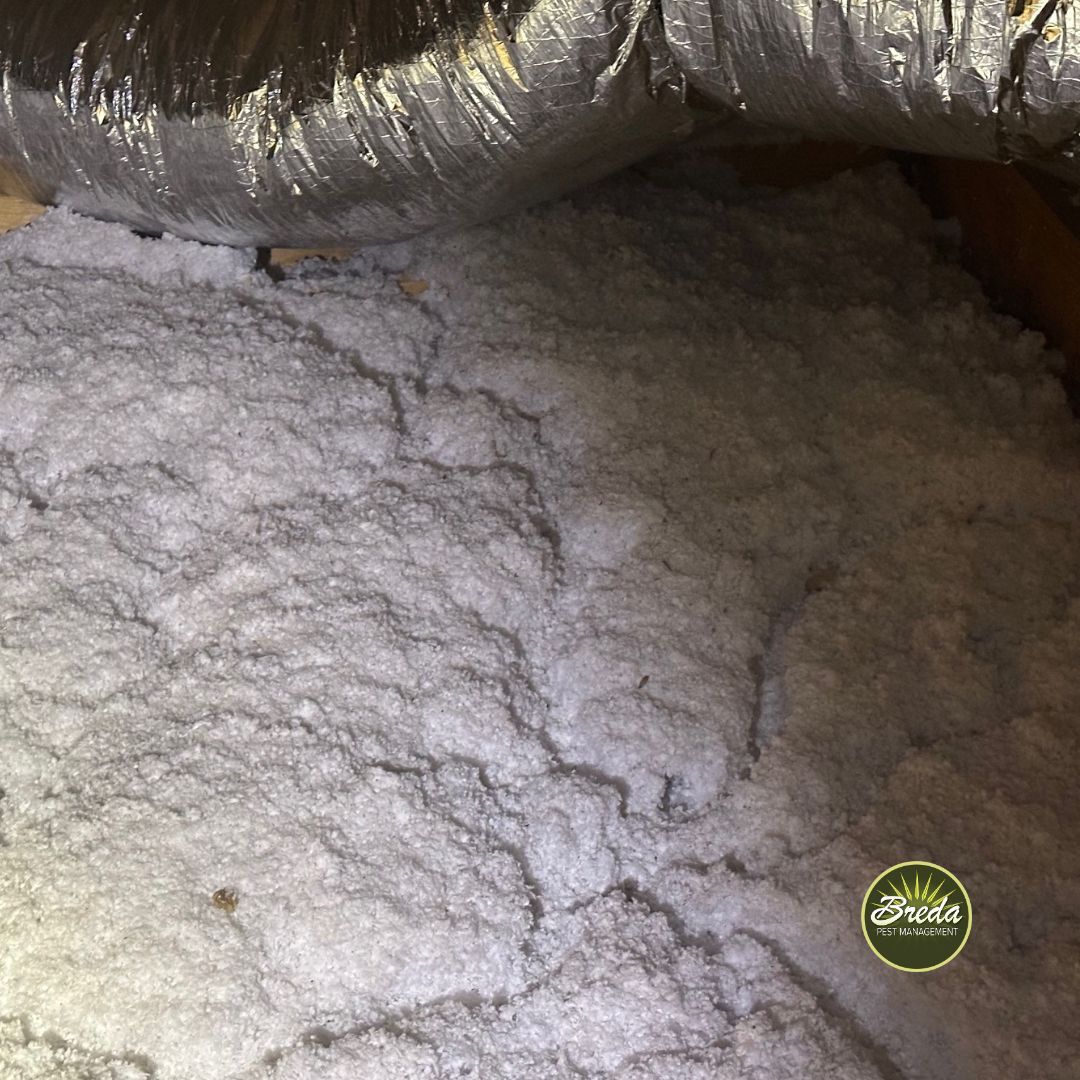
Moving through insulation (it's like crunchy snow—loud and messy)
Building nests (pulling insulation, paper, debris into a "safe corner")
Chewing (wood, vent material, and sometimes wires)
One question helps us narrow it down quickly:
When do you hear it—day or night?
University of Georgia wildlife guidance notes that attic noise during the day could be gray squirrels, while attic noise at night could be mice, bats, or flying squirrels.
That time-of-day clue is huge—so let's talk about the most common February offenders.
Gray squirrels vs. flying squirrels: what the noise usually means
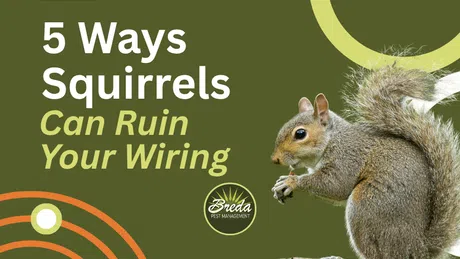
Gray squirrels (the daytime wrecking crew)
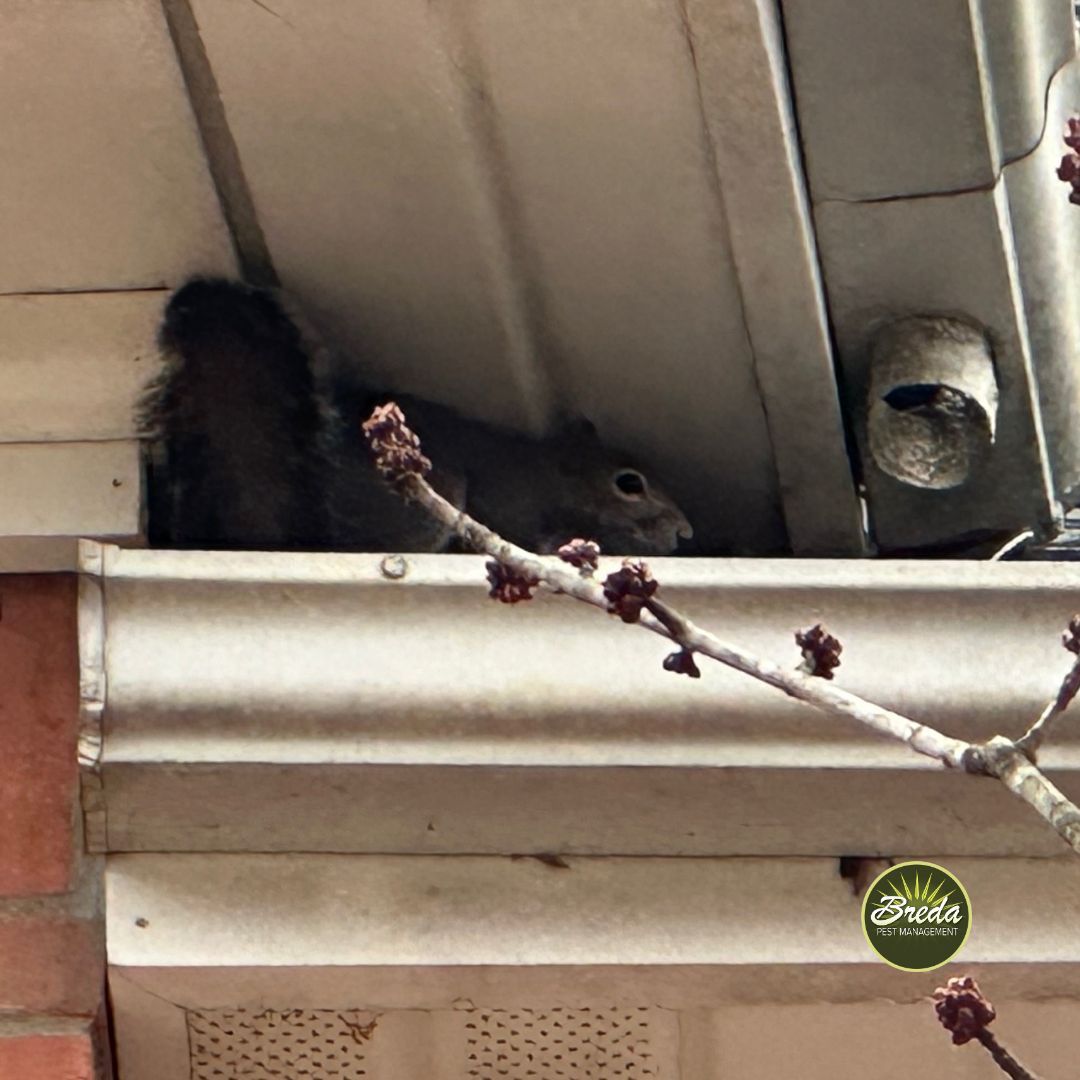
Gray squirrels are active throughout the day, and they're larger and stronger—so when they move, you feel it.
Common sounds:
Loud, heavy scratching
Rolling/dragging noises
Thumping or "body drop" sounds
Sudden bursts of activity (often around dusk/early evening as they return to the nest)
If you suspect squirrels in the attic and the noise has "mini bowling ball" energy, there's a decent chance you're dealing with gray squirrels—meaning you may need gray squirrel removal plus entry-point work to prevent re-entry.
Flying squirrels (the late-night sprinters)
Flying squirrels are smaller, nocturnal, and incredibly good at going unnoticed—until one night the attic sounds like a tiny track meet.
Common sounds:
Light, fast scurrying
Fluttery movement (they glide, not truly fly)
Activity late at night or early morning when they come and go
If your main complaint is scurrying in the attic at night in Atlanta GA, flying squirrels move to the top of the suspect list—especially if the sounds are quick and lighter than a gray squirrel's. UGA specifically calls out flying squirrels as a likely cause of attic noise at night.
And yes, we get this exact scenario from specific neighborhoods too—like flying squirrels in a Decatur GA attic —because the noise pattern can feel subtle until it suddenly isn't.
If it's not squirrels: other rodents that can cause attic noises
Squirrels get most of the blame (and honestly⦠they've earned it). But the answer to "what is in my attic?" isn't always a squirrel. Other rodents can move in the same way through tiny gaps, vents, rooflines, and weather-worn openings, and they can sound surprisingly similar at first.
Here are a few other common culprits we look for during an attic inspection for rodents in Atlanta GA:
1) Mice (small body, big audacity)
Mice are light, fast, and persistent. Their sounds are usually:
quick, faint scurrying
light scratching inside walls/ceiling voids
more "tap-tap-scrape" than "THUMP"
2) Rats (heavier movement + frequent chewing)
Rats in attics can create:
steady scurrying with occasional thuds
more frequent gnawing sounds (they chew constantly)
noise patterns that feel "confident," like they pay rent
3) "Wall travelers" (rodents using the attic as a highway)
Sometimes the attic isn't the main nest—it's the route. Rodents may be moving along soffits, ductwork, or between insulation layers, which can make the sound feel random and hard to pinpoint.
Bottom line: Whether it's squirrels, rats, or mice, the strategy that actually works is the same—remove what's there and seal how they're getting in. That's where rodent entry point sealing in Atlanta GA becomes the difference between "fixed" and "temporarily quiet."
Common entry points that let rodents into your attic
Rodents don't need a front door. They need a weak spot.
Common access points include:
roofline gaps and "construction gaps"
soffits and fascia vulnerabilities
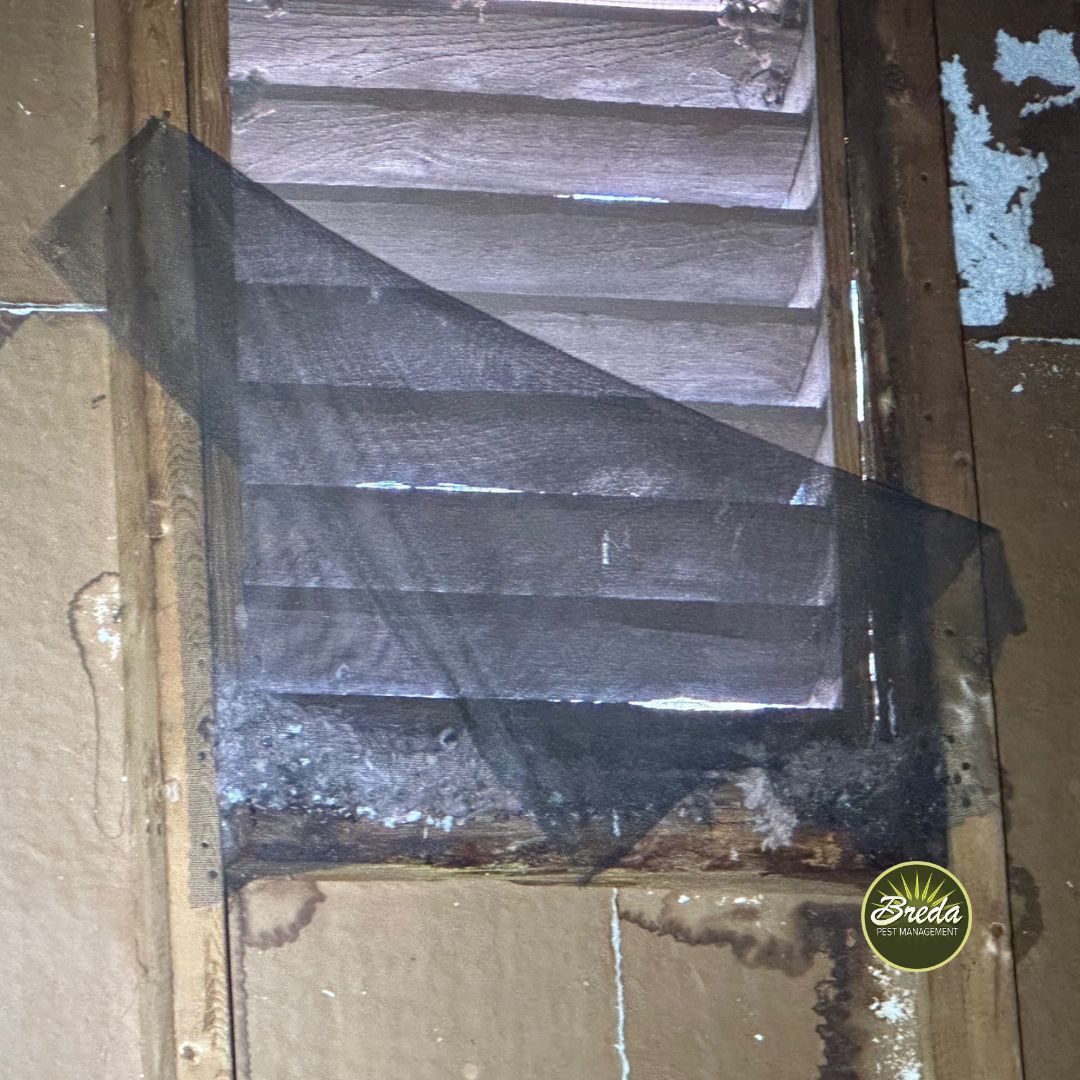
attic vents / gable vents
chimney areas
small gaps caused by weather damage or aging materials
softened/rotted wood that's easier to chew through
Signs that confirm something is living up there
Noises are a clue—but these signs are your confirmation:
Chewed entry points (holes, gnaw marks, torn vent screens)
Loose insulation (nesting tunnels, flattened areas, pulled piles)
Droppings
Strong odors
Visible activity on the roof near the same spot repeatedly
If you're seeing any of these, it's time for a professional attic inspection for rodents in Atlanta GA—because early action saves a lot of future repair.
Are attic rodents a health or safety risk?
Yes—both.
Health risk
Droppings and urine can create unsanitary conditions. The CDC recommends wetting droppings/urine with disinfectant (not dry sweeping or vacuuming with a standard vacuum) to reduce exposure risk.
Safety risk
Rodents chew—especially around wiring. Chewed wires increase the risk of electrical problems and can elevate fire hazard concerns.
If you're also noticing torn insulation and contamination, you may be looking at cleanup or attic squirrel damage repair in Atlanta GA as part of the full fix.
Why ignoring attic noises makes the problem worse
The hard truth: attic wildlife doesn't usually "move on" because you ignored it.
Rodents can reproduce quickly
Nesting damage and contamination build
Chewing damage compounds
Small entry gaps become bigger entry points
What starts as "a sound" becomes "a project"
Waiting almost always increases cost and complexity.
Why DIY trapping and removal often fails
DIY trapping seems logical: remove the animal, problem solved.
Except if you remove the animal and don't address how it got in, you've basically created a vacancy in a warm, safe space. Another one will move in—or the same one will return—or it will chew a new way back inside.
BREDA has a full breakdown of why DIY wildlife control can backfire (and why exclusion is the long-term answer).
The long-term fix: Wildlife exclusion (aka "seal it like you mean it")
A real wildlife exclusion Atlanta GA plan does two things:
Removes the current activity by placing traps strategically
Seals all likely entry points to prevent re-entry
That's exactly how BREDA approaches wildlife issues. You can see the service overview here: Wildlife Control.
How BREDA's wildlife exclusion process works
Free inspection to identify what's causing the noise and where activity is happening
Strategic trapping/removal based on confirmed activity zones, with follow-up until clear
Exclusion work to seal rooflines and vulnerable openings using durable materials
Sanitizing waste and—if needed—replacing soiled insulation (including blown-in borate insulation)
Backed by the BREDA Wildlife Guarantee, designed to be renewable annually at a fixed cost
And here's a standout detail: BREDA's wildlife coverage is a comprehensive lifetime warranty on wildlife activity, not just the exact spots sealed—because wildlife can chew a new entry point elsewhere.
When to call a professional
Call a wildlife professional if you're experiencing:
persistent scratching or scurrying
repeated sightings on the roof
visible damage at vents/roofline
loose insulation or nesting signs
droppings or strong odors
If your house is telling you something's living up there, believe it—and get ahead of it.
Quick FAQ for Atlanta homeowners
What is the most common cause of attic noises in winter?
In February, attic noise is often caused by rodents moving through insulation, building nests, or chewing. In Atlanta homes, common culprits include gray squirrels (daytime), flying squirrels (nighttime), and sometimes mice or other wildlife.
How can I tell if it's gray squirrels or flying squirrels?
Gray squirrels tend to be active during the day and sound heavier (thumping/rolling). Flying squirrels are nocturnal and often sound lighter and faster, especially late at night or early morning.
Is it safe to clean droppings myself?
Use caution. The CDC recommends wearing gloves and spraying droppings/urine until very wet with disinfectant before wiping—avoid dry sweeping or vacuuming with a standard vacuum.
What's the best way to stop attic noises long-term?
Removal alone often isn't enough. The most reliable fix is professional exclusion: identify the animal, remove it safely, and complete a rodent entry point sealing—closing all likely entry points to prevent re-entry.
If you find yourself needing pest control and want it handled thoroughly, don't hesitate to give us a call. The BREDA Guarantee promises to fix your pest problem and keep it fixed—no matter the circumstances. Schedule a consultation online or give us a call at 770-466-6700.