January in Metro Atlanta has a personality. One day it's crisp and sunny, the next it's damp and raw, and by nightfall your heater is working overtime. And while you're bundling up and trying to keep your energy bill from doing something dramatic, pests are out there doing their own winter math:
Warm air + tiny gaps = "That house looks cozy."
If you've ever noticed more "unexpected visitors" once temps dip, you're not imagining it. Drafty homes are more alluring to pests because warm air escapes, and that escaping warmth acts like a flashing neon sign that says: shelter here. Many pests begin seeking indoor shelter when outdoor temperatures drop—roughly below 50°F—and fall through early winter is the most effective time to seal entry points before an infestation starts.
So if you're searching for January pest control tips and wondering what you can do right now to keep winter pests out, this is your practical, no-fuss guide.
Why sealing drafts works (even when the cracks are tiny)
Here's the part most homeowners don't realize: pests don't need a "hole." Many can squeeze in through hairline cracks you'd barely notice unless you were specifically looking for them.
Focus on sealing drafts to prevent the pests that Atlanta GA homeowners struggle with every winter, and you'll be doing three helpful things at once:
Making your home harder to detect (less warm air leaking out)
Blocking access to wall voids, attics, crawlspaces, and pantry zones
Reducing condensation, which can attract moisture-loving pests (and the bugs that bigger pests feed on)
And yes—bonus points: sealing drafts often lowers heating costs, too.
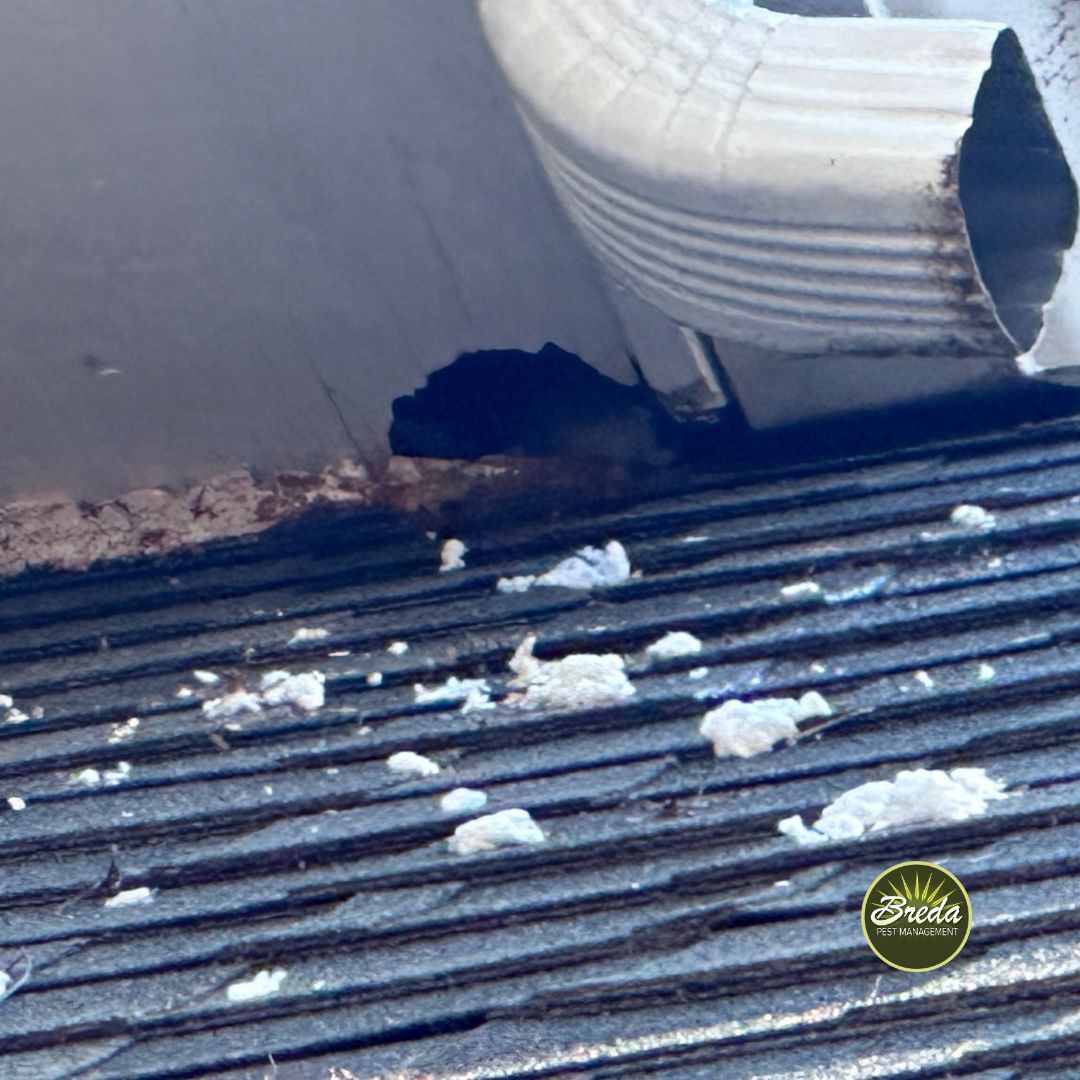
Common entry points (aka: where winter pests slip in)
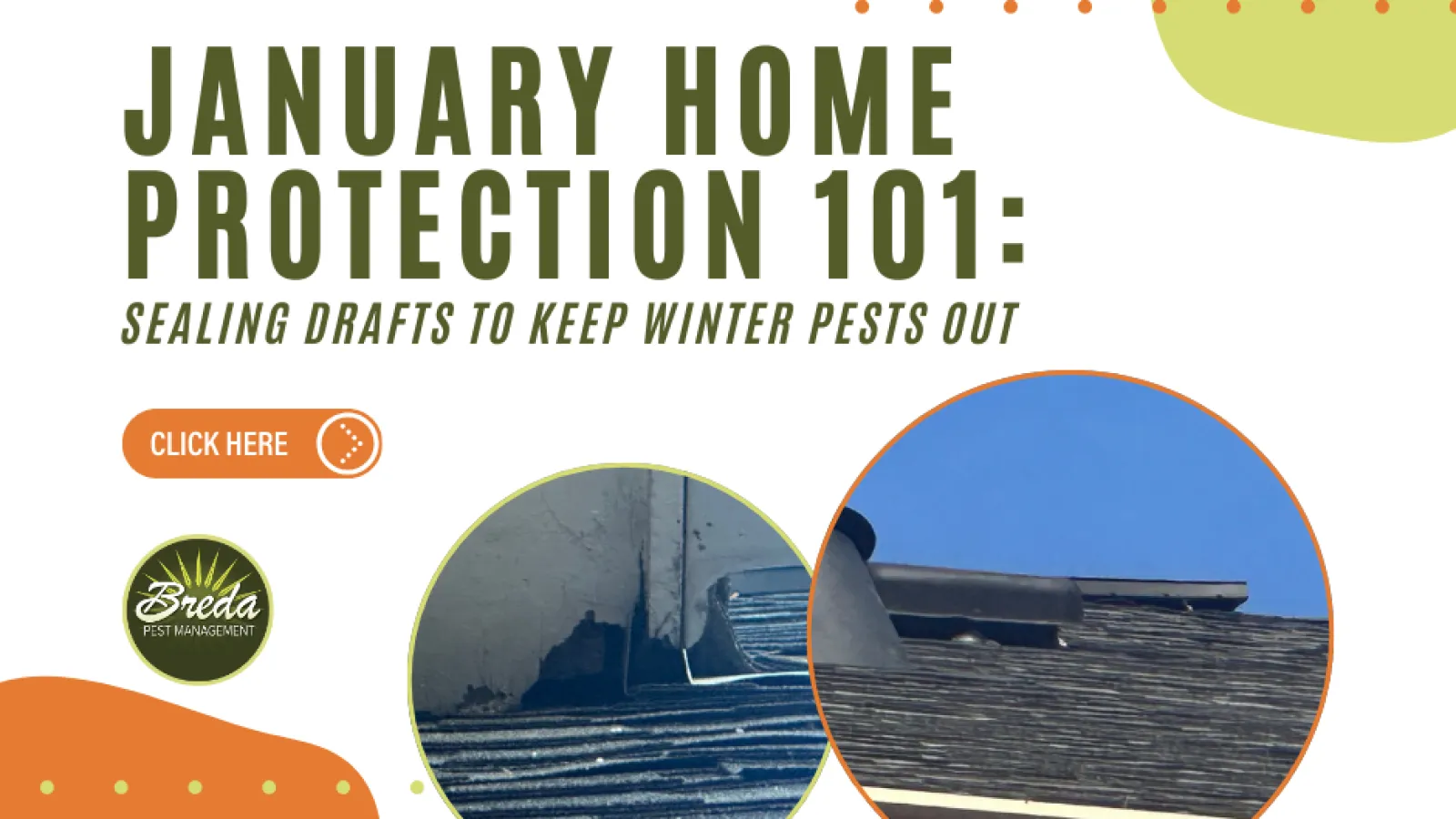
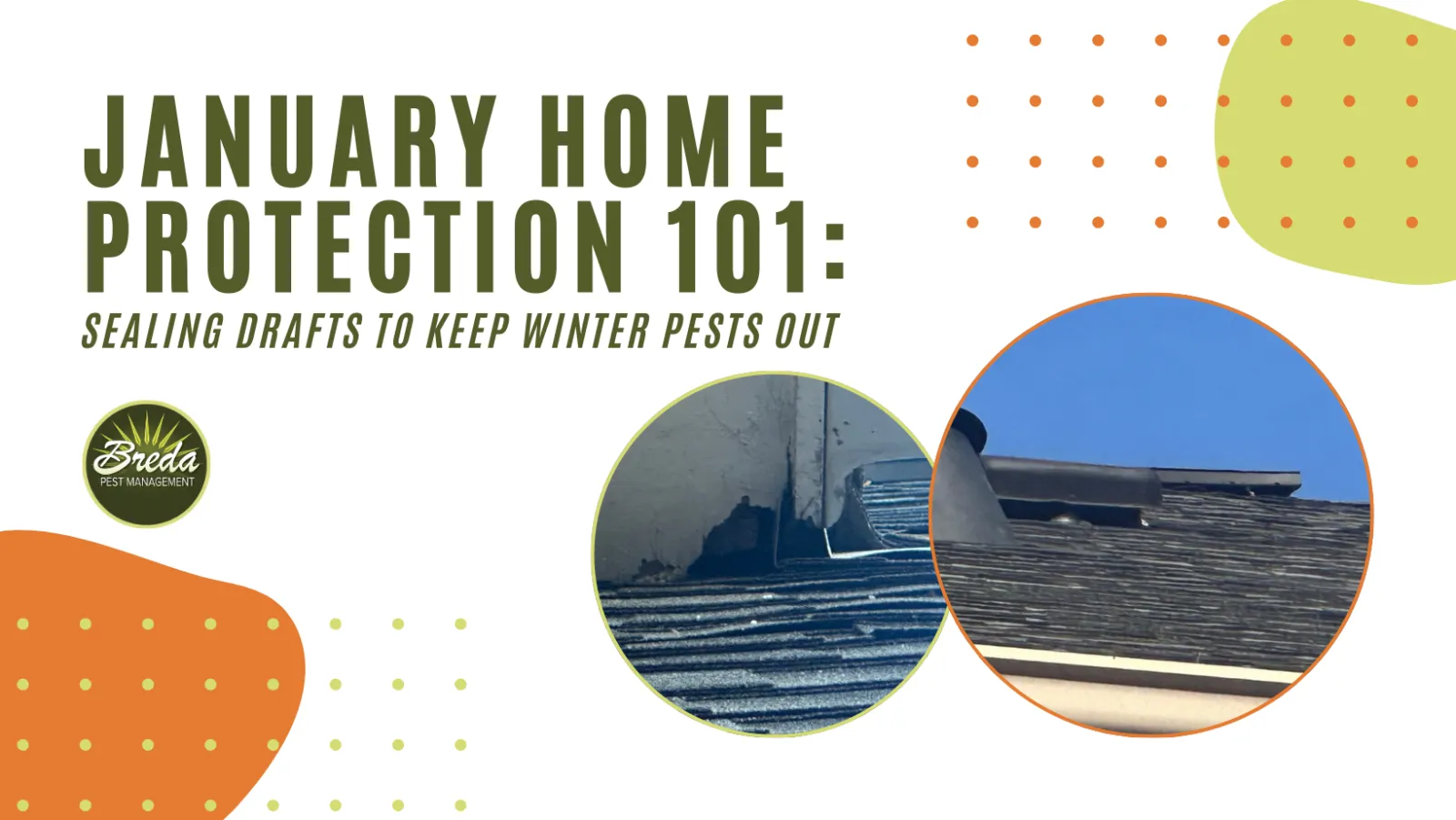
If you want to seal entry points for pests that Atlanta GA homes commonly have, start here. These are the "draft zones" we see most often around the Atlanta DMA:
Gaps in door and window frames (especially older weather stripping)
Cracks along siding or foundation
Utility areas (pipes, cables, vents, AC lines)
Attic, crawlspace, and basement vents
Garage doors, especially along the bottom seal
UGA's pest management guidance regularly emphasizes the same theme: winter critters get in through cracks and gaps—especially around foundations and openings.
DIY sealing methods that actually make a difference
Let's keep this simple: you don't need a full remodel. You need a weekend, a flashlight, and the right materials.
1) Weatherstripping (best ROI for doors + windows)
Weatherstripping seals gaps around doors and windows—and it can reduce heating costs.
Where to use it:
Exterior doors (especially the one everyone uses 47 times a day)
Window frames with visible gaps or drafts
Pro tip: If you can see daylight, feel airflow, or hear outside noise clearly⦠start there.
2) Caulk (for small cracks and clean finishes)
Caulk is best for smaller cracks and clean edges.
Where to use it:
Baseboards and window frames
Trim gaps around door casing
Plumbing areas (tub, shower, toilet, and under-sink pipe openings)
The EPA specifically calls out caulking cracks and crevices as a key "close-off" strategy for keeping pests from entering and hiding indoors.
3) Door sweeps (for the "under the door" highway)
Door sweeps prevent pests from entering from under your doors.
Where to use it:
Exterior doors
Door from garage into home (a major winter entry point)
If you've ever felt cold air at your ankles standing at the sink—this is your moment.
4) Expanding foam (for larger gaps—use the right kind)
Expanding foam seals larger gaps, like around pipes or vents. Use low-expansion foam indoors so you don't warp frames or create a mess you'll regret.
Where to use it:
Around plumbing penetrations
Utility line gaps
Dryer vent openings (paired with proper vent covers)
If you want extra guidance on building-envelope best practices, the Building America Solution Center has a helpful overview on reducing pest intrusion through sealed penetrations and gaps.
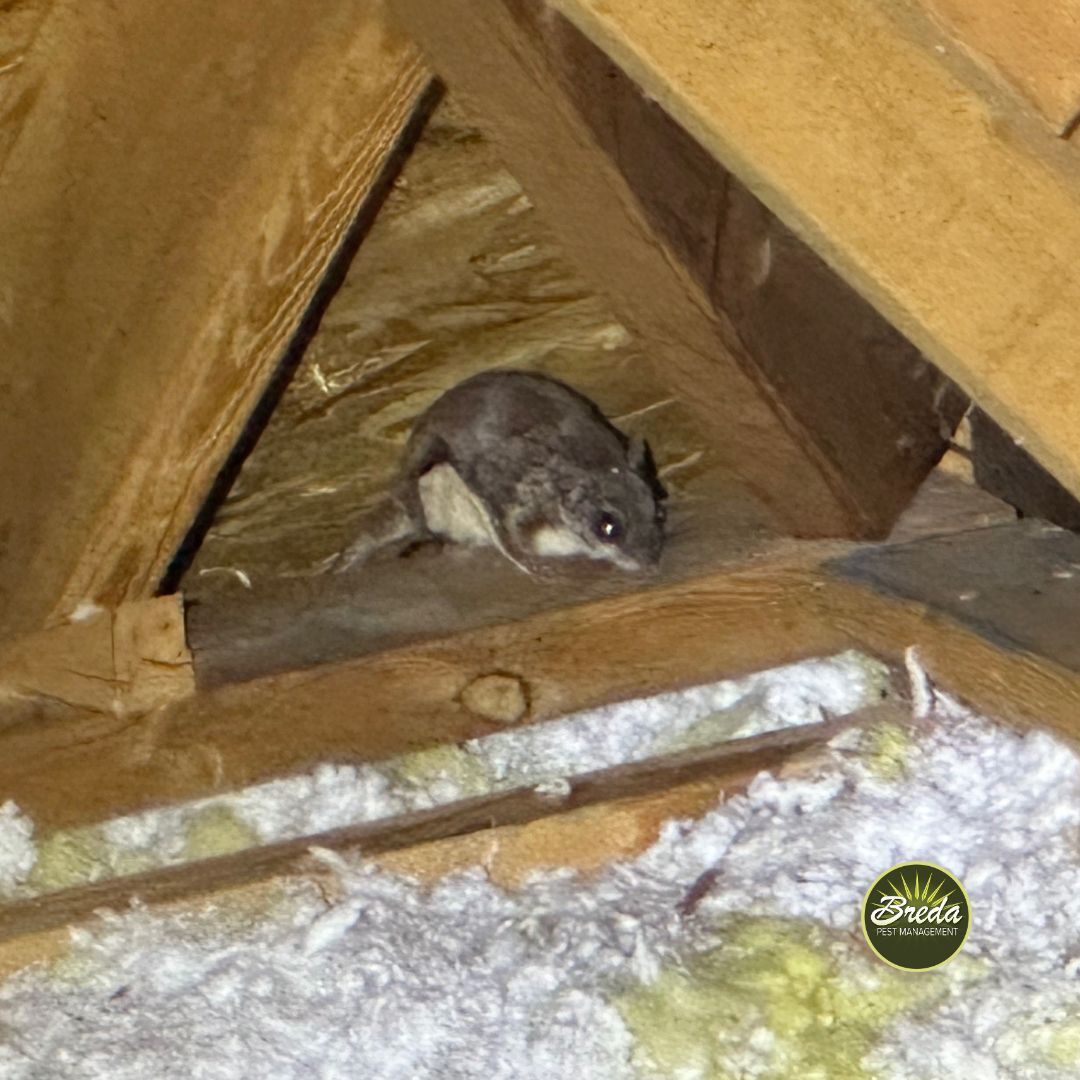
A quick "January walkthrough" you can do in 15 minutes
If you want home pest prevention that Atlanta GA homeowners can actually stick with, do this once per season:
Walk the exterior with a flashlight at dusk (look for gaps around pipes/vents).
Check door bottoms—especially the garage door seal.
Inspect window edges for visible cracks or old caulk separation.
Peek in the attic/crawlspace access area for vent gaps or daylight.
Look for moisture under sinks and around HVAC lines (moisture attracts pests).
If you want a more detailed version tailored to winter, BREDA has a solid companion read: Winter Proofing Your Home: Exterior Sealing & Pest Exclusion Before the Cold Sets In.
Extra prevention tips (because pests love convenience)
Draft sealing is huge—but it works best when you remove the "free snacks and shelter" around your home.
Add these to your January checklist:
Store food in sealed containers (yes, even pet food)
Keep firewood at least 20 feet away from your home
Trim vegetation away from exterior walls and roofline
Repair damaged screens promptly
If you use a fireplace, don't miss reading this blog—Firewood & Pests: The Hidden Risk in Your Indoor Fireplace Setup—because bringing wood inside early can also bring hitchhikers with it.
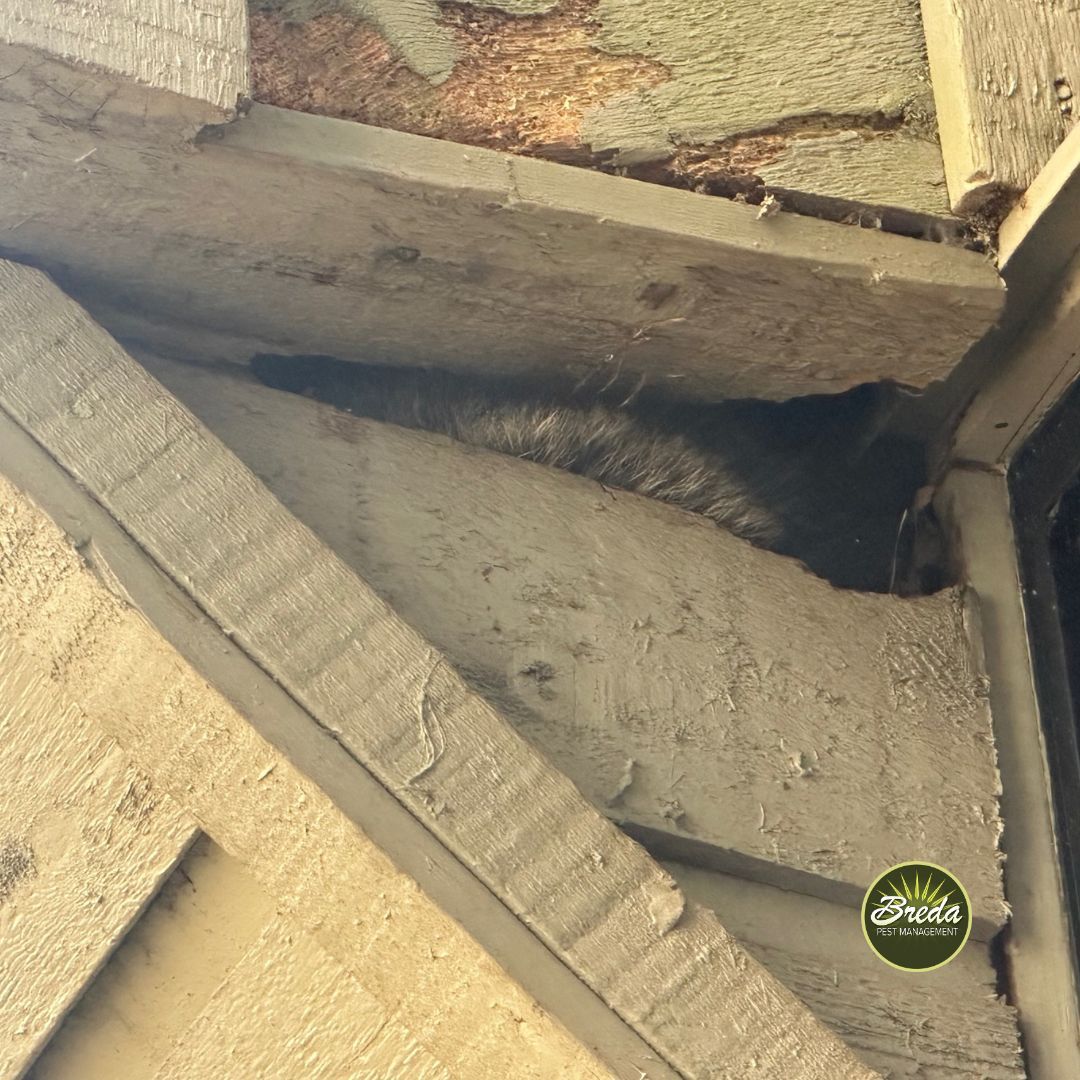
When sealing isn't enough (and you need a pro)
DIY sealing is powerful. But if you're seeing repeated activity—especially rodents—or you suspect there are hidden intrusion points (attic, garage, crawlspace vents), it's time to level up the rodent and pest exclusion Atlanta GA homeowners often need in winter.
That's where a pest inspection Atlanta GA homeowners schedule with BREDA becomes your best next step—not just to treat, but to pinpoint exactly where pests are getting in and why they're choosing your home.
What BREDA does differently (and why homeowners notice)
Sealing drafts is step one. Keeping your home protected all year is the long game—and that's where BREDA shines.
When you partner with BREDA through the Pest Control Program, you're getting:
Inside + outside protection (not exterior-only, which is the industry standard)
Thorough inspections + customized plans, built around accurate pest identification (including support from an entomologist)
Precision placement of products (no outdated baseboard spraying; crack-and-crevice only when interior treatment is needed)
Attic and garage intrusion point checks—common entry areas many companies overlook
A 90-day guarantee (and if pests return during that period, BREDA re-treats at no charge)
Quarterly service with no "locked-in" contracts—you can cancel anytime!
This is why so many homeowners treat January like a reset—not a panic moment.
And if your household is extra full in winter (kids home, pets inside, everyone living in cozy mode), you might also appreciate BREDA's safety-first approach outlined here: Eco-Friendly Winter Pest Control: Safe Solutions While Kids & Pets Are Home for Holidays.
January takeaway: seal now, relax later
Sealing drafts isn't just a "nice homeowner habit." It's one of the smartest, simplest ways to keep winter pests from treating your home like a seasonal rental.
So start small: pick one door, one window line, one utility area. Knock out the obvious drafts. Then, if you want a pro to confirm you didn't miss the hidden stuff, book a pest inspection Atlanta GA homeowners trust.
Ready to protect your home inside and out? Explore BREDA's Pest Control Program and get the peace of mind that comes from doing winter right.
If you're tired of wondering what the pests in or around your home are doing and just want them gone, don't hesitate to give us a call. The BREDA Guarantee promises to protect your home and keep it protected—no matter the circumstances. Schedule an inspection online or give us a call at 770-466-6700.