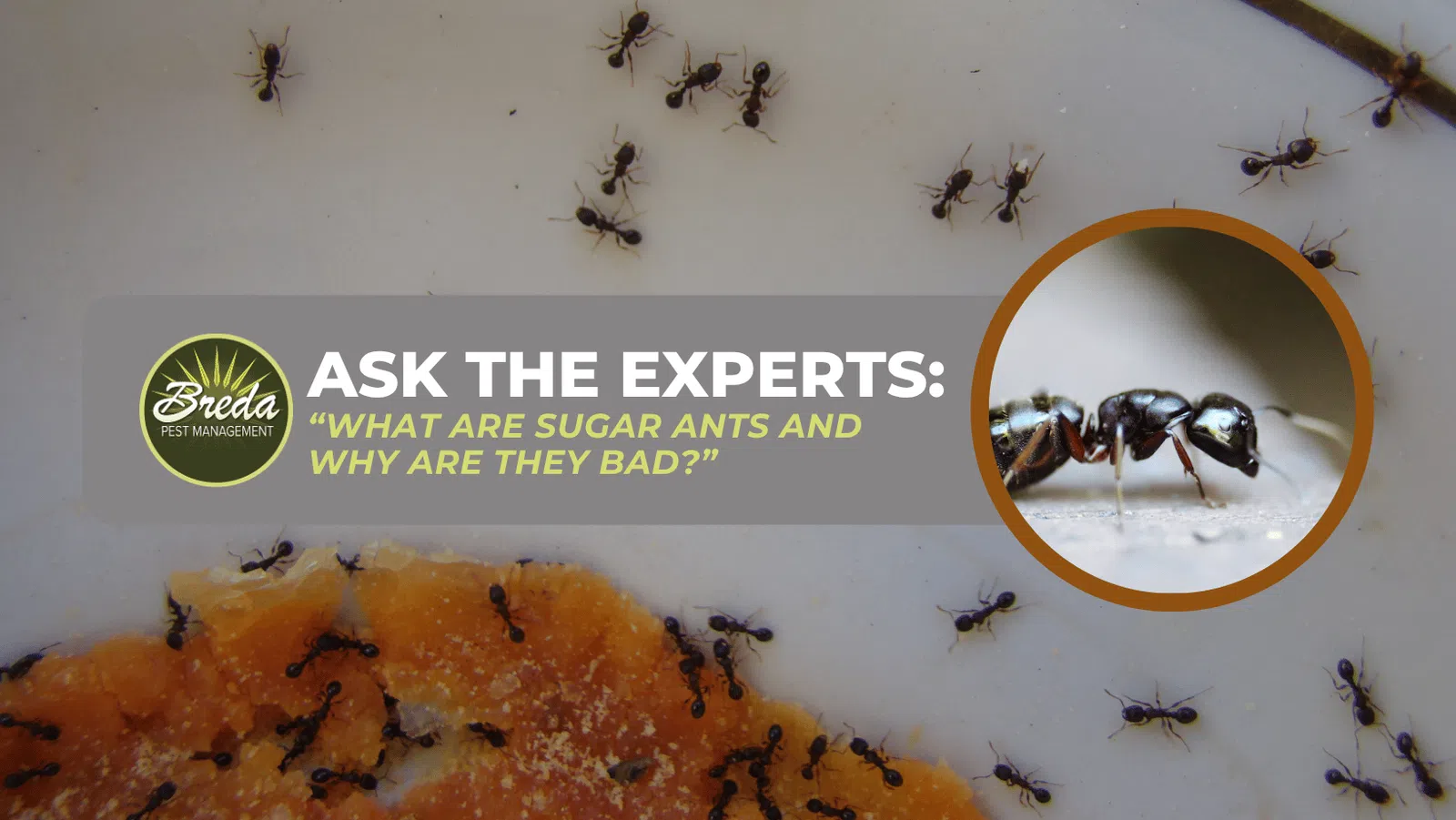
There are few things more annoying than walking into your kitchen, reaching for your morning coffee, and spotting a tiny trail of ants marching across the counter like they have a standing reservation.
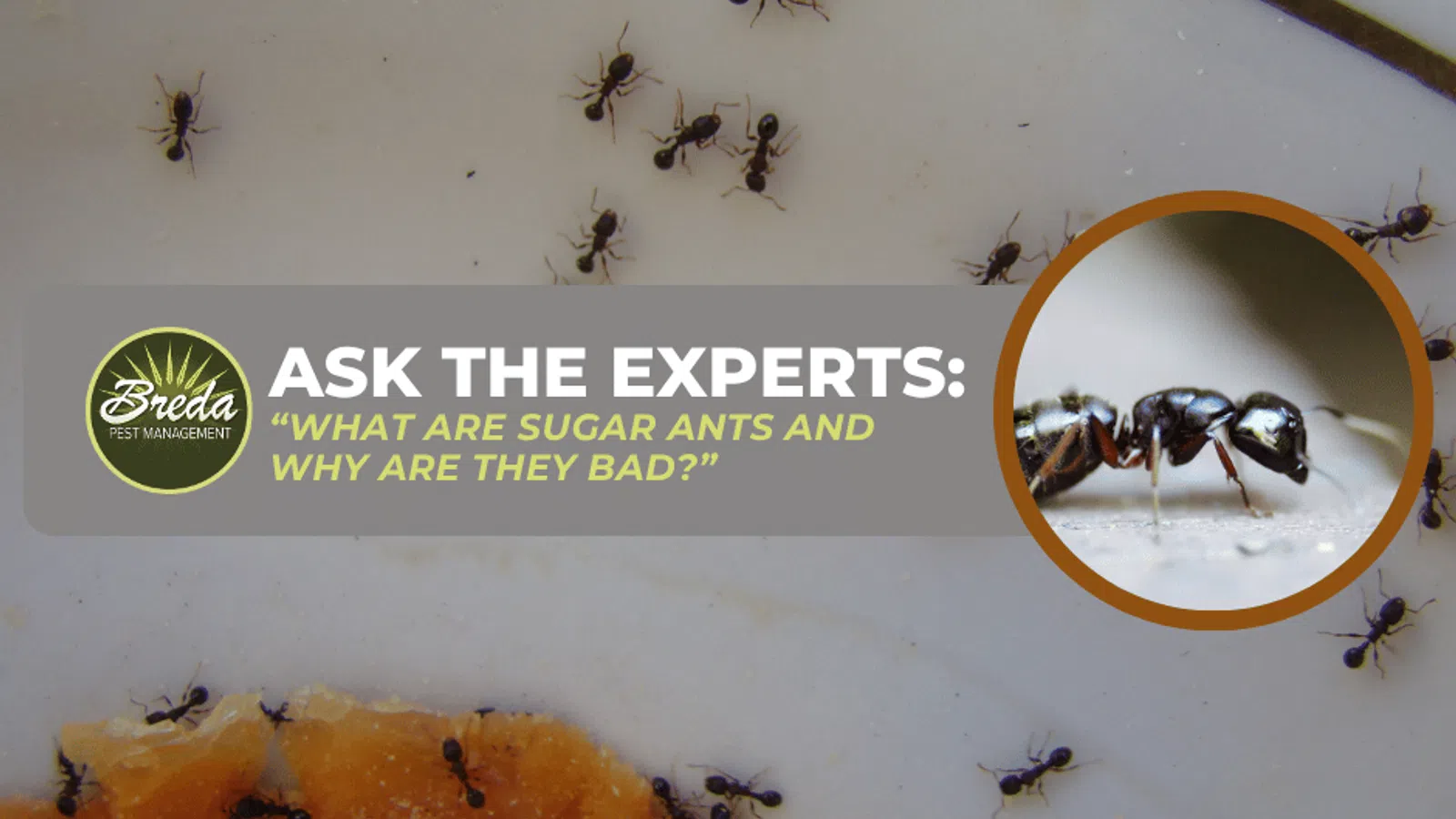
Sugar ants may be small, but once they find a food or moisture source, they can quickly become one of the most frustrating household pests for Georgia homeowners. And here's the tricky part: "sugar ant" is a common nickname, not always one specific ant. In many homes, the term refers to small household ants that are attracted to sweet foods, moisture, crumbs, grease, and pet food.
So if you've been noticing sugar ants in your Atlanta GA house, especially in the kitchen, bathroom, pantry, or around pet bowls, you are not alone. Warm Georgia weather, indoor food sources, and moisture around the home can all create the perfect conditions for sugar ants to move in and stay awhile.
Let's look at what sugar ants are, when they are most active, why they can show up indoors year-round, and when it may be time to call for sugar ant control Atlanta GA homeowners can trust.
What Are Sugar Ants?
When people say "sugar ants," they are usually talking about small ants that are highly attracted to sweet foods. In Georgia homes, this can include odorous house ants, pavement ants, pharaoh ants, and other tiny household ants.
Odorous house ants are one of the most common ants associated with sugar ant activity. They are known for their attraction to sweets and moisture, and they release a strong, unpleasant smell when crushed. Some people compare it to rotten coconut or even blue cheese, which is one of those fun facts you wish you never had to confirm in your own kitchen. According to Utah State University Extension, odorous house ants are often identified by this rotten coconut-like odor when crushed.
Sugar ants can nest in several places around the home, including inside walls, under floors, near moisture sources, or outdoors around foundations and mulch. Michigan State University notes that odorous house ants may nest indoors in wall voids and beneath floors, while outdoor nests are often found under objects like boards or stones.
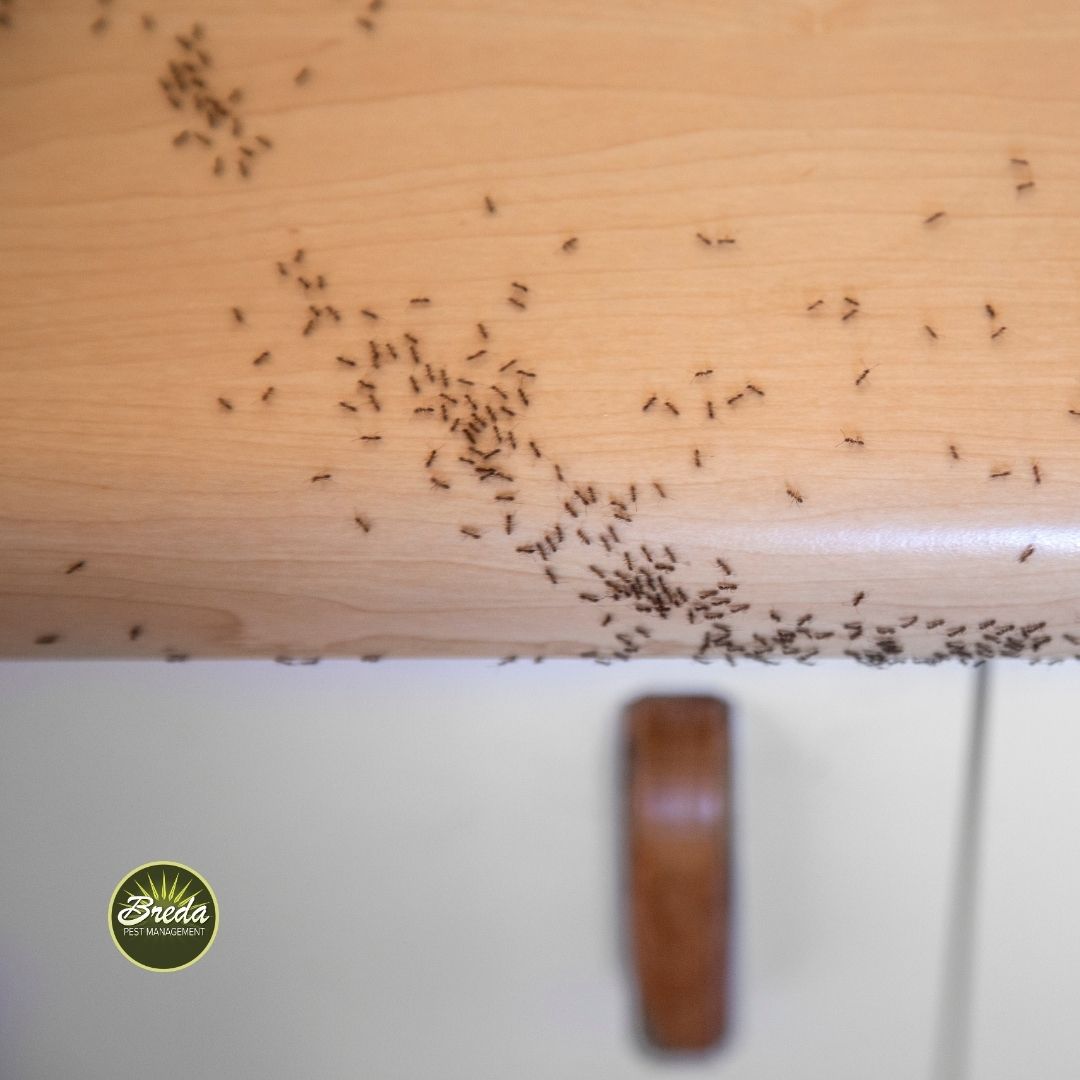
They also communicate through scent trails. Once one ant finds a reliable food source, it leaves behind a chemical trail that helps other ants follow the path. That is why one or two ants on the counter can suddenly turn into a full parade.
Why Sugar Ants Love Kitchens
Sugar ants are drawn to sweets, but they are not exactly picky. They may also feed on grease, crumbs, pet food, pantry items, and even tiny spills you may not notice right away. That means a few crumbs under the toaster, a sticky spot near the trash can, or a pet bowl left out overnight can become an open invitation.
While most common ants are considered nuisance pests, the EPA notes that ants can contaminate food, especially when they crawl across counters, garbage areas, sinks, and food preparation surfaces before reaching pantry shelves or food containers.
This is one reason ant control for kitchens in Atlanta GA should focus on more than killing the ants you can see. The goal is to understand where they are coming from, what is attracting them, and whether a larger colony is nesting nearby.
When Are Sugar Ants Most Active?
Sugar ants can become more active in spring and summer because warmer temperatures increase foraging and reproduction activity. As temperatures rise, colonies can grow faster, expand into new nesting areas, and send out more ants in search of food and water.
In Georgia, heat and humidity can make the problem worse. Increased moisture around the home can attract ants to kitchens, bathrooms, basements, laundry rooms, and other areas where water is easy to find.
During rainy weather, sugar ants may also move indoors while searching for dry shelter. Heavy rain can disturb outdoor nesting areas, while moisture buildup around foundations, mulch beds, crawl spaces, or basements can make the home more attractive.
So if you suddenly notice small ants in your Atlanta GA house after a rainy week, it may not be random. The weather may have pushed them closer to your home or encouraged them to search indoors for food, shelter, and dry nesting areas.
Can Sugar Ants Stay Active Indoors Year-Round?
Yes, they can.
Unlike some outdoor pests that become less active during colder months, sugar ants may remain active indoors throughout the year if they have access to food, warmth, and water. Heated homes allow some colonies to survive and continue foraging even when outdoor conditions are less favorable.
That is why Atlanta homeowners can even deal with indoor ant infestation outside the typical spring and summer pest season. If ants have found reliable access to crumbs, moisture, pet food, or pantry items, they may not have much reason to leave.
This is also why prevention has to be consistent. A one-time counter wipe may help today, but long-term control often requires a bigger picture look at sanitation, moisture, entry points, and nesting sites.
Are Sugar Ants Dangerous?
Sugar ants are usually considered nuisance pests, but that does not mean they belong in your home.
The biggest concern is food contamination. Sugar ants can crawl across garbage, drains, counters, floors, and other surfaces before entering food storage or food preparation areas. Research from the National Library of Medicine has found that ants can act as potential vectors for foodborne pathogens and contaminate food, water, and food-contact surfaces in kitchen environments.
There is also the issue of rapid infestation growth. Small ant problems can become much larger when colonies reproduce quickly or when ants establish multiple nesting sites. Some species may split colonies when disturbed improperly, creating multiple nests instead of solving the original issue.
That is one reason DIY removal can be frustrating. Killing visible ants does not always eliminate the colony. Store-bought sprays may provide temporary relief, but in some cases, they can scatter ants and make the infestation harder to control.
How to Help Prevent Sugar Ants
If you are wondering how to get rid of sugar ants in Georgia homes, prevention starts with making your home less attractive to them.
Start by focusing on food. Wipe counters regularly, clean up sticky spills, store pantry items in sealed containers, and avoid leaving dirty dishes in the sink overnight. Take trash out regularly, rinse food containers before tossing them, and clean around appliances where crumbs can collect.
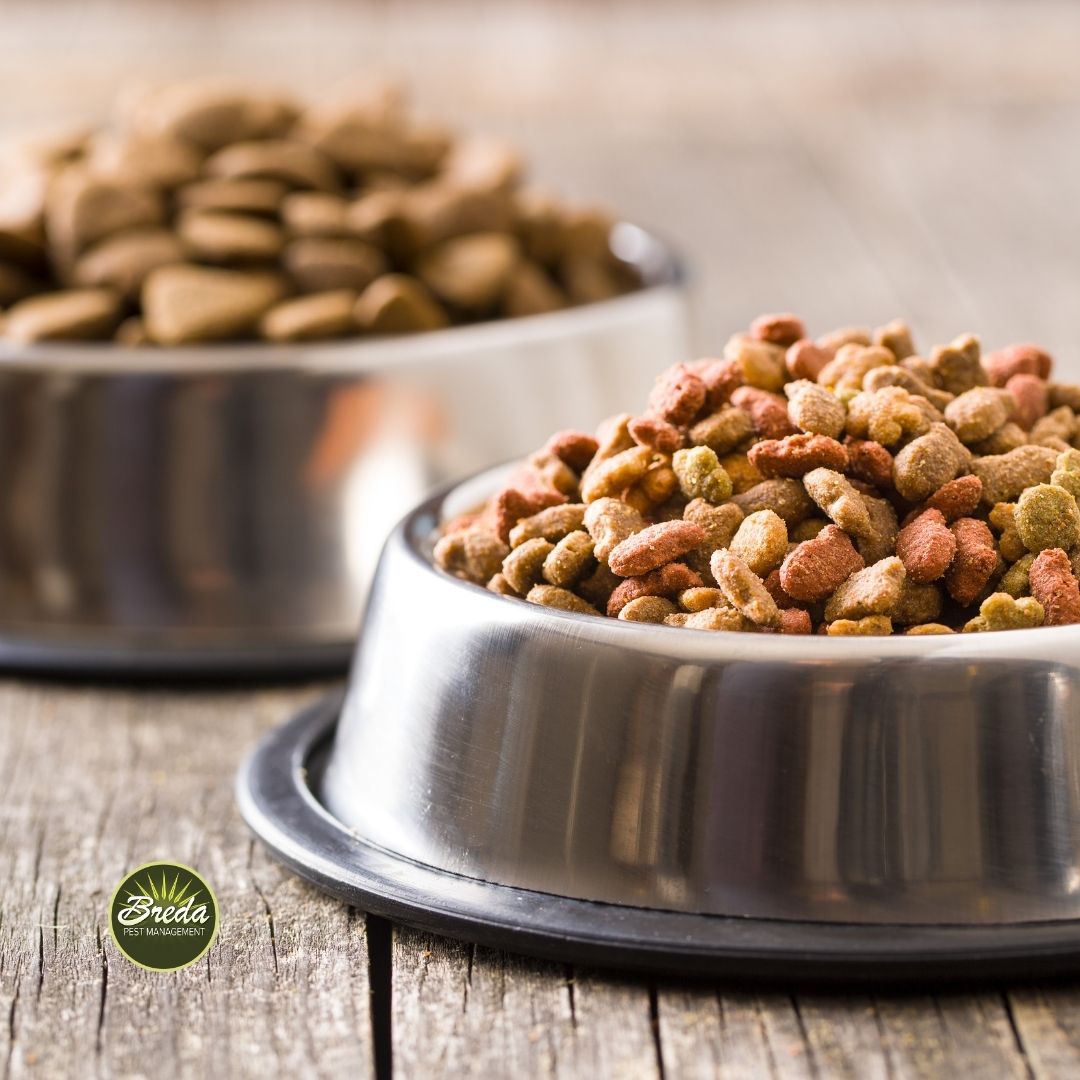
Next, pay attention to pet food. Sugar ants may feed on pet food, so try not to leave bowls sitting out for long periods. If ants are showing up near pet bowls, clean the area thoroughly and look for nearby trails.
Moisture control is also important. Fix leaky pipes, check under sinks, reduce moisture around bathrooms and laundry rooms, and keep basements or crawl spaces as dry as possible. Outside, keep mulch from piling too heavily against the foundation and trim vegetation away from the home where ants may travel.
Southern Living also recommends sealing gaps, repairing leaks, storing food securely, cleaning up pet food, and reducing outdoor clutter that can create ant nesting areas.
When to Call a Sugar Ant Exterminator
If you have cleaned, sealed, wiped, and sprayed, but the ants keep coming back like tiny, six-legged boomerangs, it may be time to call a sugar ant exterminator.
Professional pest control can help identify the type of ant, locate likely nesting or entry areas, and treat the problem in a more targeted way. This matters because the ants you see on the counter may only be a small part of the colony.
BREDA Pest Management's pest control services are designed to protect both the inside and outside of your home. BREDA focuses on eliminating active pests indoors while creating a protective barrier outside, targeting pests where they live, nest, and travel. Their pest control programs are customized to the home and the specific pest pressure caused by Georgia's warm, humid climate.
BREDA also uses a thoughtful, family-conscious approach. Instead of outdated baseboard spraying, their technicians focus on targeted cracks and crevices, such as under sinks and around windows, doors, toilets, and shower areas. The BREDA Guarantee includes re-treatment at no charge if pests return during the 90-day guarantee period.
For homeowners looking for professional sugar ant treatment Metro Atlanta, that kind of inside-and-outside strategy can make a real difference.
Don't Let Sugar Ants Take Over Your Home
Sugar ants may be tiny, but they are persistent.
They can show up during the heat of summer, move indoors after heavy rain, and stay active year-round when food and water are available. They can contaminate food surfaces, grow from a small problem into a larger infestation, and turn your kitchen into a place where you suddenly feel like wiping the counter every seven minutes.
If you are dealing with recurring sugar ants in your home, BREDA Pest Management can help with pest control for sugar ants Atlanta suburbs homeowners can count on. Because your kitchen should be for coffee, snacks, dinner, and the occasional "we forgot to thaw the chicken" panic—not ants.
If you're tired of wondering what the pests in or around your home are doing and just want them gone, don't hesitate to give us a call. The BREDA Guarantee promises to protect your home and keep it protected—no matter the circumstances. Schedule an inspection online or give us a call at 770-466-6700.