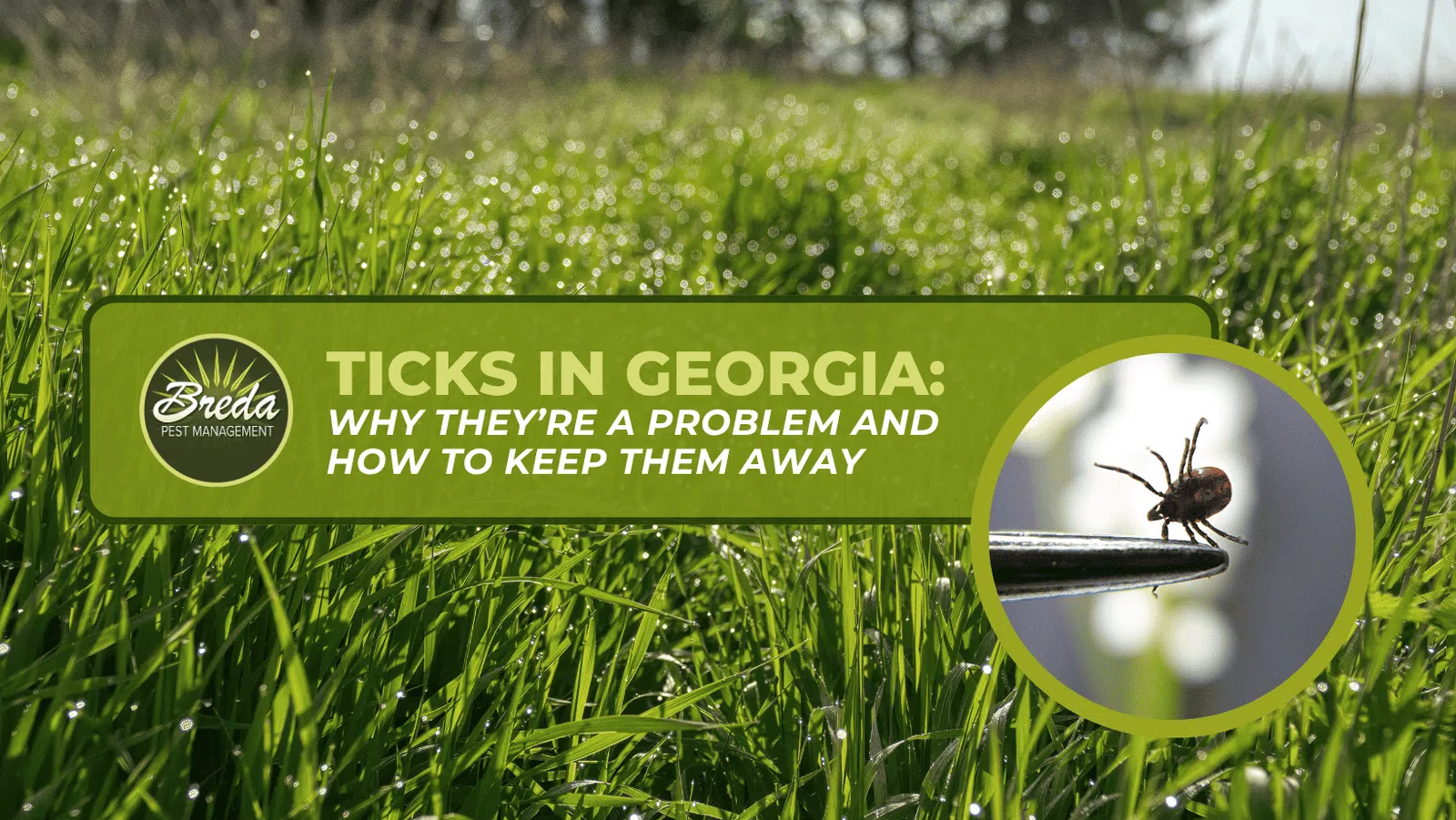
Ticks might feel like one of those pests that are too small to take seriously.
Until you find one crawling on your leg.
Then everyone in the house is suddenly performing a full-body inspection, the dog is getting side-eyed, and the backyard you loved five minutes ago feels like it has betrayed you personally.
Here in Georgia, ticks are more than just an outdoor annoyance. They are tiny, blood-feeding parasites that can carry real health risks for people and pets. And because our warm, humid climate gives many pests a long active season, tick prevention Georgia homes can rely on needs to be more than a once-a-year thought.
So let's talk about what ticks are, why they're a problem in Georgia, where they hide, how to make your yard less inviting, and what to do if you find one attached to you.
What Are Ticks?
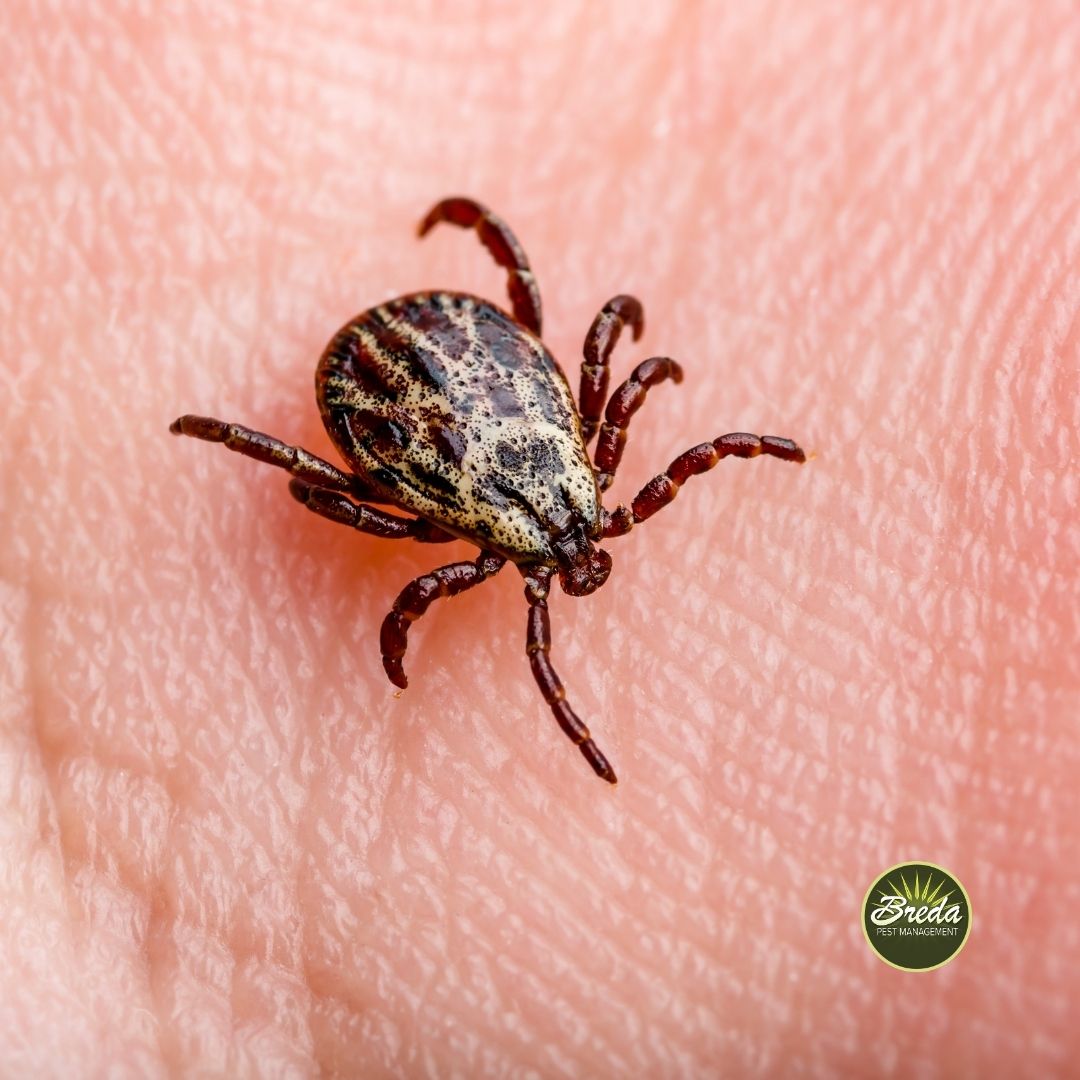
Ticks are small arachnids, which means they are more closely related to spiders than insects. Yes, we know. Somehow that makes them feel worse.
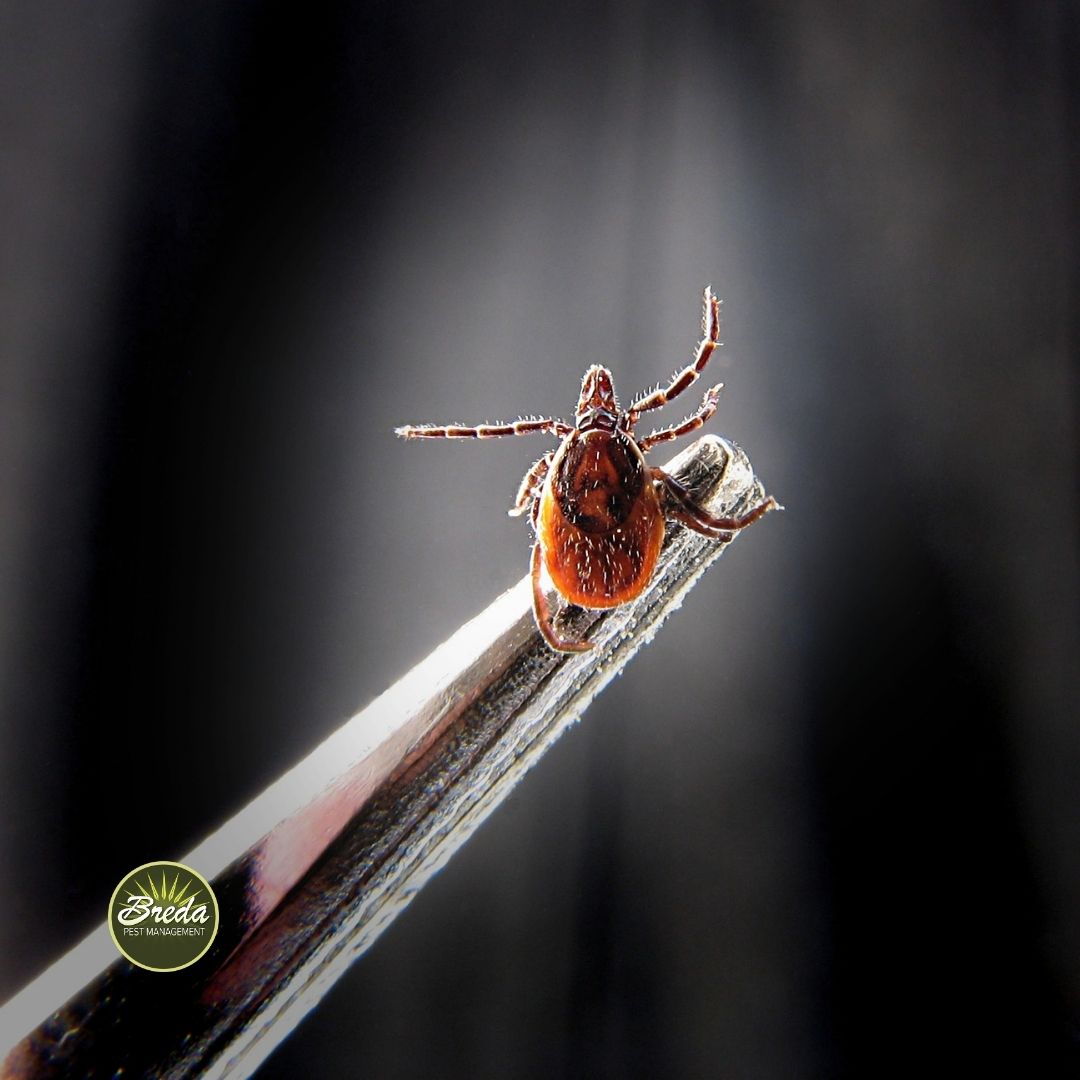
There are hundreds of tick species around the world but only a few are known to bite humans. Ticks survive by feeding on the blood of animals, birds, and people. They can be as small as a poppy seed, especially in the nymph stage, which makes them incredibly easy to miss.
Ticks do not jump or fly. Instead, they typically wait on grass, shrubs, brush, or leaf litter with their legs extended, ready to latch onto a passing host. That host might be a deer, a mouse, a bird, your dog, or you walking through the yard in flip-flops to "just grab something real quick."
Famous last words.
Ticks are usually most active during warmer months, but in mild climates like Georgia, some species may remain active for much of the year. According to UGA Integrated Pest Management, ticks are one of the most problematic arthropod groups in Georgia because of their ability to transmit disease.
Why Ticks Are a Problem in Georgia
Ticks can transmit bacteria, viruses, and parasites through their bites. Not every tick carries disease, but there is no way to tell whether a tick is infected just by looking at it.
In Georgia, common human-biting ticks include the Lone Star tick, American dog tick, and black-legged tick. UGA notes that these species are commonly associated with humans in our state, and Georgia ticks are known to transmit illnesses including Rocky Mountain Spotted Fever, Lyme disease, tularemia, anaplasmosis, ehrlichiosis, and Southern tick-associated rash illness.
That does not mean every tick bite will make you sick. But it does mean tick bites should never be ignored.
Symptoms of tick-borne illnesses may include fever, fatigue, headache, muscle aches, chills, swollen lymph nodes, and rashes. Some illnesses can cause long-term health complications if left untreated, which is why it is so important to monitor your body after a bite and seek medical care if symptoms develop.
The CDC has reported that emergency room visits for tick bites have been higher than usual in many regions, and the agency estimates that about 31 million people in the United States are bitten by ticks every year. The CDC also notes that Lyme disease is the most common tick-borne disease in the U.S. (You can read more from the CDC's tick resources!)
Where Ticks Hide Around Georgia Homes
When most people think of ticks, they imagine deep woods, hiking trails, or campsites. And yes, ticks love those places. But they can also be found much closer to home.
Ticks commonly hide in:
- Tall grass
- Wooded areas
- Brush and shrubs
- Leaf piles
- Overgrown yard edges
- Fence lines
- Pet resting areas
- Shaded, damp areas
- Parks and walking trails
- Areas where deer, rodents, and birds are active
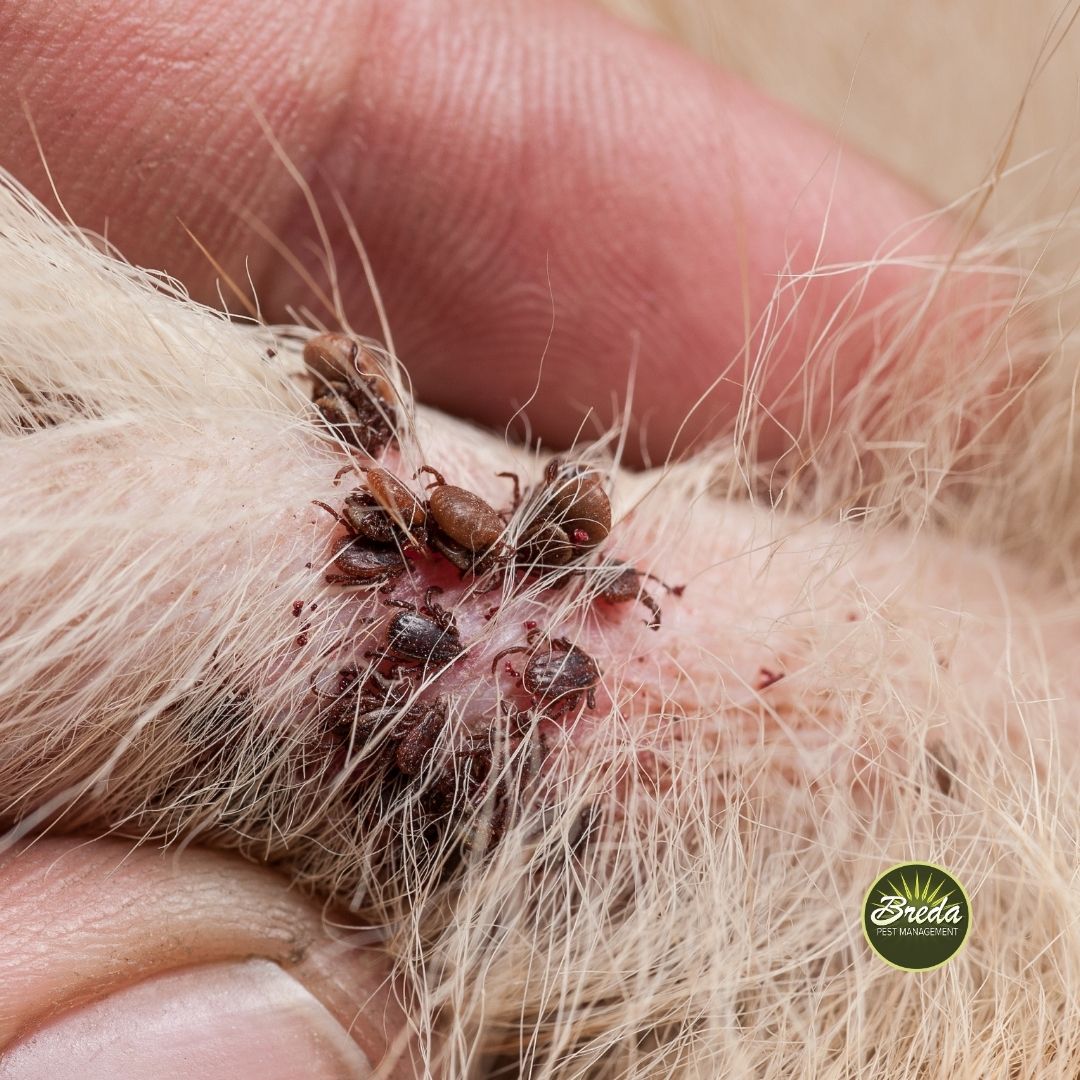
If you have ticks in your Georgia yard, it doesn't mean your yard is "dirty." It may just mean the conditions are right. Ticks thrive in humid, sheltered areas where they can wait for a host. Deer, rodents, birds, and stray animals can all help move ticks into new areas.
Pets are a major part of the equation, too. Dogs and cats can pick up ticks outside and bring them into the home. If your pet spends time in the yard, on trails, or near wooded areas, regular tick checks and veterinarian-approved prevention are essential.
How to Make Your Yard Less Tick-Friendly
If you're wondering how to get rid of ticks in Georgia, the best place to start is by making your property less hospitable.
Ticks prefer shade, moisture, tall vegetation, and areas where host animals travel. The goal is to make your yard feel less like a tick resort and more like a place they'd leave a one-star review.
Here are some practical steps:
- Keep your grass cut short. Regular mowing reduces the tall grass ticks use to wait for hosts.
- Clear leaf litter. Leaf piles create the kind of damp, shaded environment ticks love.
- Trim shrubs and brush. Focus especially on yard edges, fence lines, and areas close to the home.
- Create a barrier. The CDC recommends placing a three-foot-wide barrier of wood chips or gravel between lawns and wooded areas to help reduce tick movement into recreational spaces.
- Move play areas away from wooded edges. Keep playground equipment, seating areas, and patios away from tall grass, shrubs, and tree lines when possible.
- Stack firewood neatly and keep it dry. This helps discourage rodents, which can carry ticks.
- Discourage deer and rodents. Fencing, proper trash storage, and removing clutter can help reduce wildlife traffic.
- Keep pets protected. Talk to your veterinarian about tick prevention and check pets after outdoor time.
These steps are especially important for tick control for Atlanta families who spend a lot of time in the yard, garden, or outdoor living spaces.
What Professional Tick Control Can Do
Yard maintenance matters, but sometimes prevention needs support. Professional tick pest control services can help reduce tick pressure around the areas where your family and pets spend the most time. At BREDA Pest Management, we focus on targeted treatments because every home and every pest issue is different.
Our pest control approach is designed to protect both the inside and outside of your home. We target pests where they live, nest, travel, and enter, not just where they happen to show up. For outdoor tick concerns, that means looking at the areas ticks are most likely to use: shaded vegetation, perimeter zones, yard edges, pet areas, and transition points between wooded spaces and your lawn.
Our pest control services are customized to your home and Georgia's warm, humid pest pressures. We do not believe in one-size-fits-all treatments or temporary fixes. When interior treatment is needed for pests, we use precise product placement in cracks, crevices, and vulnerable areas instead of messy, outdated baseboard spraying. Everything we do is designed to be effective, controlled, and family- and pet-conscious.
What to Do If You Find a Tick on You
First: don't panic. Second: don't cover it in nail polish, petroleum jelly, heat, essential oils, or whatever alarming idea someone's uncle posted online in 2012.
The CDC recommends removing an attached tick as soon as possible. Use clean, fine-tipped tweezers to grasp the tick as close to the skin's surface as you can. Pull upward with steady, even pressure. Do not twist or jerk the tick, because that can cause the mouthparts to break off and remain in the skin.
After removing the tick, clean the bite area and your hands with soap and water, rubbing alcohol, or hand sanitizer. Dispose of the tick by placing it in alcohol, sealing it in a container, wrapping it tightly in tape, or flushing it. Do not crush it with your fingers. (You can review the CDC's full instructions here: What to Do After a Tick Bite.)
After removal, watch for symptoms over the next several days to weeks. If you develop a rash, fever, headache, fatigue, muscle aches, or other concerning symptoms, contact a healthcare provider and tell them when the bite happened and where you most likely picked up the tick.
Tick bites should never be ignored. Prompt removal may reduce the risk of disease transmission for some infections, and quick follow-up matters if symptoms appear.
Keep Ticks From Feeling at Home
Ticks may be small, but they aren't something Georgia homeowners should shrug off. They can hide in everyday outdoor spaces, attach quickly, and carry diseases that deserve real attention.
The good news? You can make your home and yard less inviting. Use prevention strategies when hiking, gardening, camping, hunting, or spending time in wooded or grassy areas. And if ticks keep showing up around your property, call in help. At BREDA Pest Management, we're here to help protect the spaces where your family actually lives, plays, relaxes, and lets the dog pretend he owns the yard.
Frequently Asked Questions About Ticks in Georgia
Are ticks common in Georgia?
Yes, ticks are common in Georgia, especially in wooded areas, tall grass, brush, leaf litter, parks, trails, and suburban yards. Georgia's warm climate can allow some tick species to stay active for long periods of the year. That's why tick prevention is important for homeowners, families, and pet owners across the Atlanta area.
Where do ticks hide in my yard?
Ticks often hide in tall grass, leaf piles, wooded edges, overgrown landscaping, brush, and shaded areas with moisture. They may also be found near fence lines, pet resting areas, and places where deer, rodents, or birds travel. If you have ticks in your yard in Georgia, the conditions may be giving them the shade, moisture, and host access they need.
Can ticks make people sick?
Yes, ticks can transmit bacteria, viruses, and parasites through their bites. Not every tick carries disease, but you cannot tell whether a tick is infected just by looking at it. Symptoms of tick-borne illnesses may include fever, fatigue, headache, muscle aches, and rashes. Tick bites should never be ignored.
How can I make my yard less attractive to ticks?
Keep your grass short, remove leaf litter, trim brush, reduce overgrown landscaping, and create separation between wooded areas and active lawn spaces. Moving playsets, patios, and outdoor seating away from wooded edges may also reduce exposure. A clean, well-maintained yard is one of the best first steps for tick control for homeowners in Atlanta.
Do pets bring ticks into the house?
Yes, pets can pick up ticks while spending time outside and bring them into your home. Dogs and cats should be checked regularly after outdoor time, especially around the ears, neck, paws, collar area, and between toes. We also recommend talking with your veterinarian about year-round tick prevention for your pets.
When should I call for professional tick control?
You should call for professional tick control if you are regularly finding ticks on people, pets, or around your yard. Professional tick pest control can help reduce tick populations in the areas where they are most likely to hide, including shaded vegetation, yard edges, brushy zones, and pet areas.
If you're tired of wondering what the pests in or around your home are doing and just want them gone, don't hesitate to give us a call. The BREDA Guarantee promises to protect your home and keep it protected—no matter the circumstances. Schedule an inspection online or give us a call at 770-466-6700.