
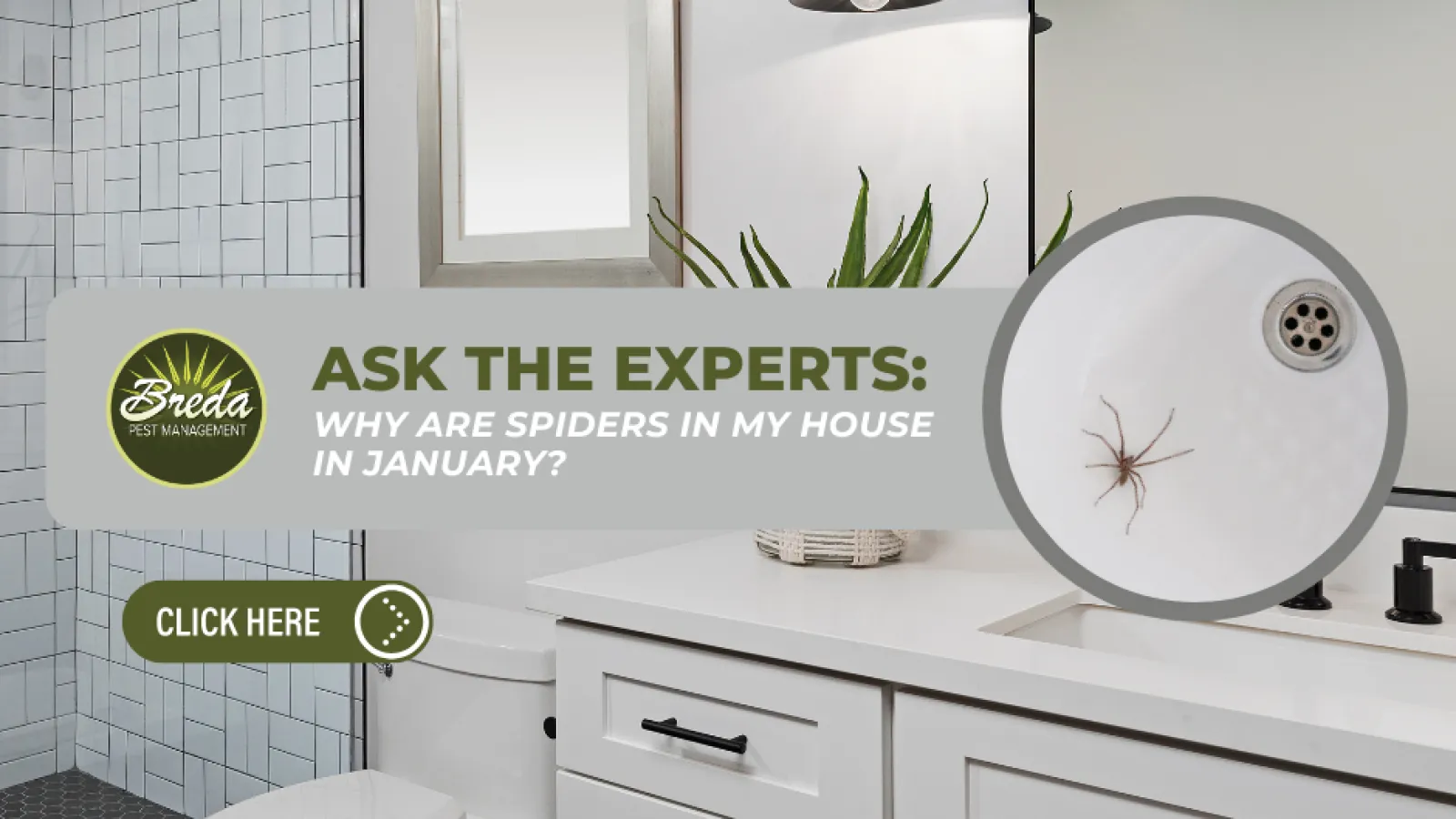
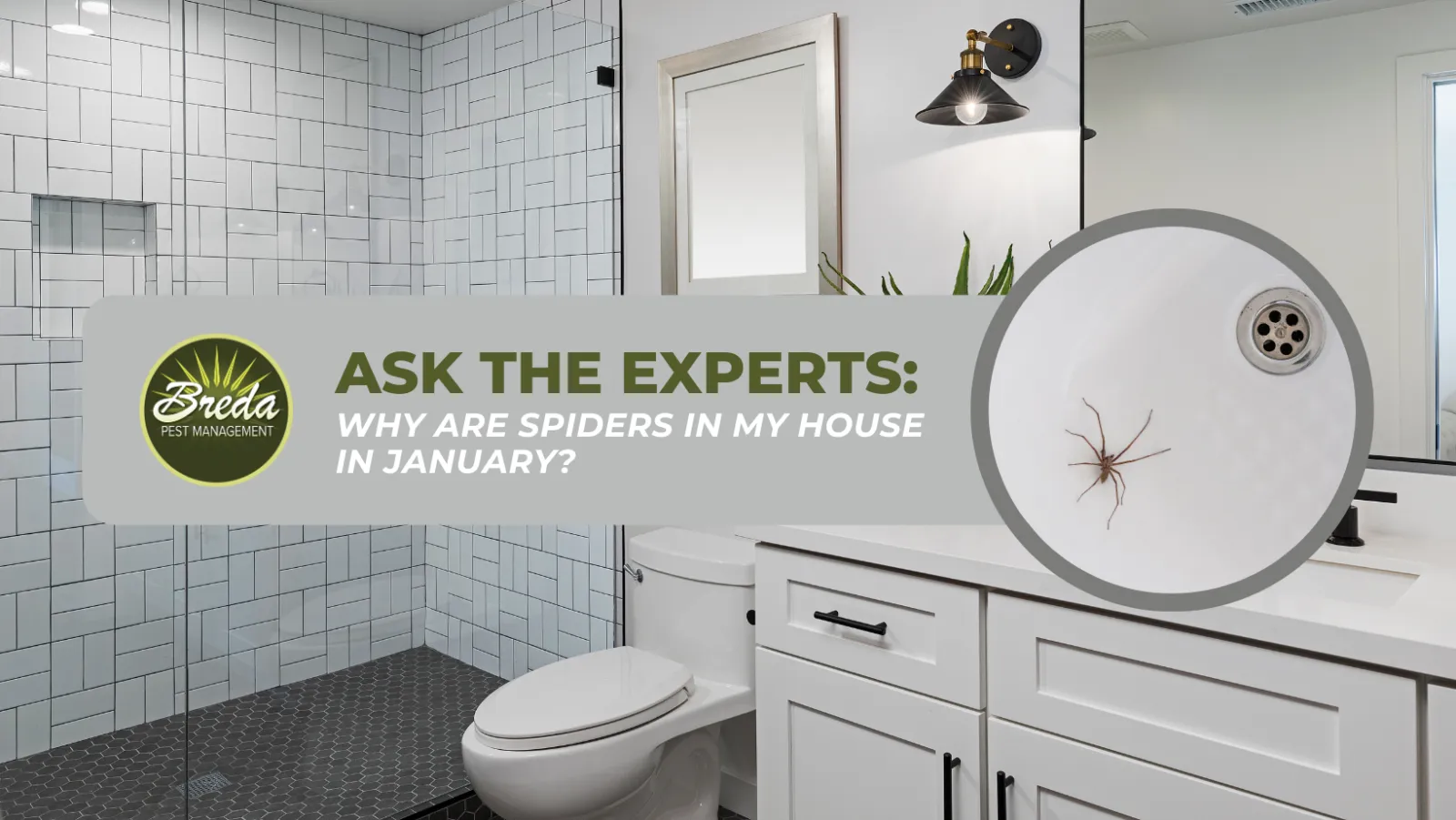
You're not imagining it. January spider sightings are a thing in Metro Atlanta.
One day it's 38 degrees outside, your heat is running nonstop, and suddenly there's a little eight-legged squatter in the bathtub like it pays rent. If you're currently reading this while standing on a chair⦠welcome. You're in the right place.
Here's the good news (and it's genuinely good): seeing spiders in winter is usually common, explainable, and not dangerous. Most of the time, the spiders you notice in January aren't "moving in." They were already inside, tucked out of sight in wall voids, basements, attics, and storage areas—quietly waiting out the season.
Let's walk through what's happening, what you can do about it, and when it's time to bring in the pros for spider control Atlanta GA homeowners can count on.
First: Why January?
Think of your home like a cozy winter cabin—except you didn't invite every tiny creature in the neighborhood.
When it's cold outside but warm inside, your house offers spiders three things they love:
Warmth
Shelter from winter weather
Steady indoor humidity
And in the Atlanta area, we get a lot of winter "weather whiplash"—warm afternoons, cold nights, rain, then another cold snap. Those swings push both insects and the predators that eat them closer to indoor comfort zones.
This is exactly why "pest control in Atlanta GA" January searches spike: it's not just spiders. It's the whole winter ecosystem trying to share your square footage.
The real reason spiders show up: They follow their food
Spiders go where insects are. Always.
Even in winter, homes still have:
Flies
Ants
Silverfish
Other tiny "nobody invited you" bugs
And just like spiders, those insects are more inclined to be inside your home during winter, too.
So if you're dealing with spiders in your house this winter, the most effective long-term strategy is simple (even if it's annoying):
Reduce the bugs⦠and the spiders usually reduce themselves.
That's one reason professional winter pest control services in Atlanta GA can make such a difference—because you're not just removing what you see. You're interrupting the food chain.
"Should I be worried?" Most house spiders are harmless
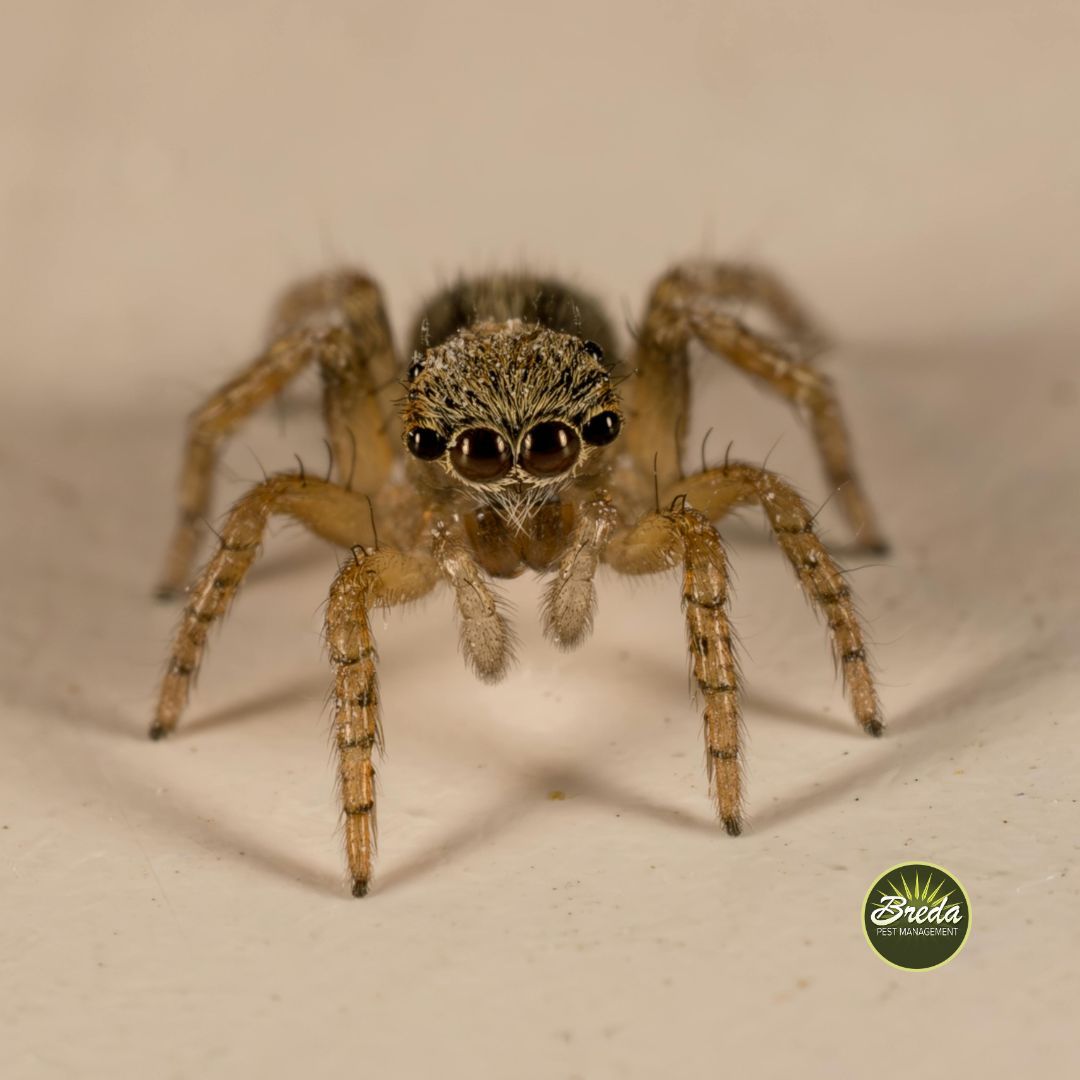
In January, most spiders you see indoors are common house spiders. They'd actually prefer to avoid you altogether, and they typically:
Aren't aggressive
Rarely bite
Help control other pests
Even the University of Georgia Extension notes that many spiders are timid and not looking for a fight—bites usually happen when a spider is handled or pressed against skin.
Now, yes—Georgia does have a couple species worth respecting (like black widows and brown recluses). BREDA's spider resource page calls out that only a small number of spiders in our region can cause serious harm when disturbed.
But the average "January bathroom spider" you're seeing? More nuisance than threat.
Ask the Expert: "Okay but I still don't want them in here."
Totally fair. You don't need to be afraid of spiders to still want fewer roommates.
Here's the best homeowner game plan if you want fewer spider sightings this month.
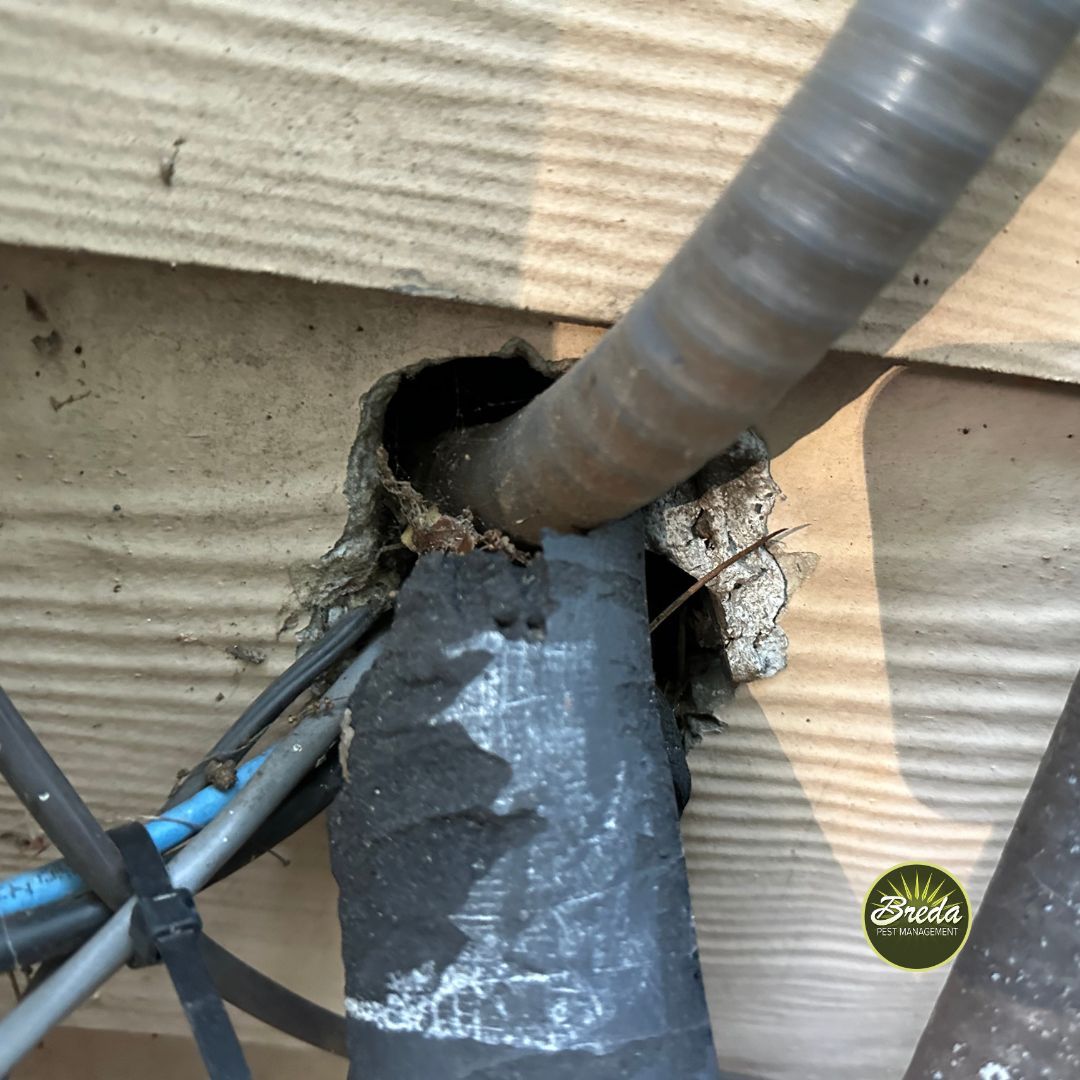
1) Seal the easy entry points
Seal cracks around windows and doors
Add/replace weather stripping
Close gaps around pipes and utility penetrations
The EPA's prevention guidance is clear: closing off entry and hiding spots (cracks, crevices, gaps around pipes) is one of the most effective first steps: US EPA
Want a local, winter-specific checklist? BREDA has a great walkthrough in Winter Proofing Your Home: Exterior Sealing & Pest Exclusion.
2) Reduce indoor insects (aka: cut off the buffet)
This is the unglamorous but powerful part:
Fix moisture issues that attract silverfish and other bugs
Keep pantry areas clean
Don't leave pet food out overnight
Address ant activity quickly
When the insect activity drops, spider activity usually follows.
3) Vacuum the "quiet corners" regularly
Hit the places spiders love to hide:
Corners of basements and garages
Closets and storage rooms
Behind furniture
Around baseboards and window trim
4) Swap outdoor lights near entry points
Use yellow outdoor lights to attract fewer insects (and therefore fewer spiders) near doors and windows.
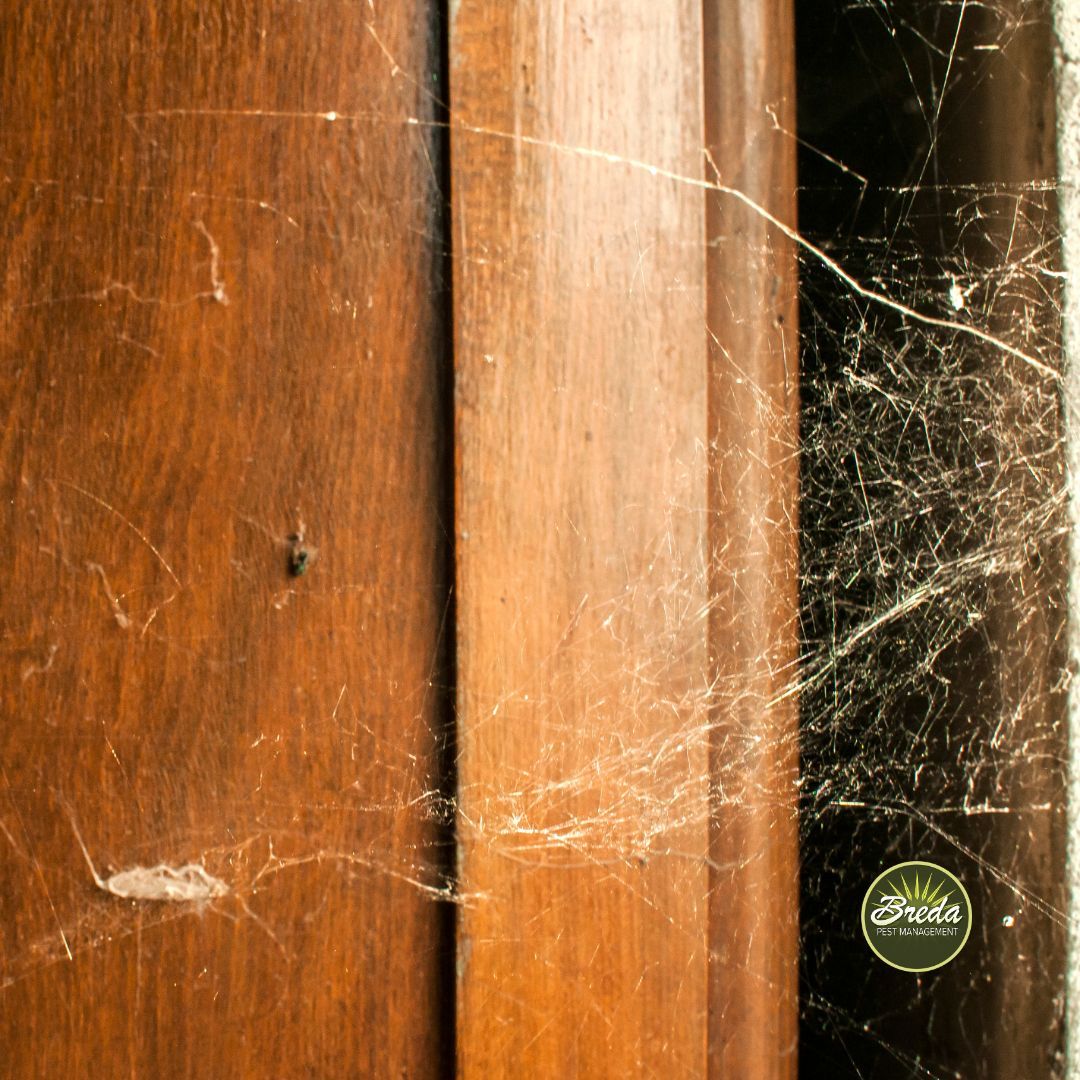
When it's time to call a pro for spider control
If you're seeing an occasional spider, that's normal.
But if you're seeing a lot—or you're seeing webs building up quickly—it's time for a more thorough approach like house spider removal Atlanta GA homeowners rely on when DIY isn't keeping up.
Consider calling a spider exterminator Atlanta GA homeowners trust when:
You're seeing spiders daily (or in multiple rooms)
Webs keep returning fast
You've reduced clutter/cleaned and it's not improving
You suspect widows/recluses or have small kids/pets and want peace of mind
You want the cause addressed, not just the symptom
This is also where a pest inspection Atlanta GA homeowners can schedule becomes the smartest first move—because the inspection tells you where they're getting in, where they're nesting, and what they're feeding on.
What BREDA does differently (and why it matters in winter)
Spiders are rarely a "one-room problem." They're usually a sign of entry points + indoor insect activity.
That's why BREDA's approach is built around thoroughness and education—because quick sprays don't fix winter pest patterns.
Here's what to expect when you partner with BREDA:
Inside + outside protection. BREDA doesn't stop at the perimeter—your home is protected inside and out.
Targeted, low-exposure treatment. If interior treatment is needed, BREDA focuses on cracks and crevices (not baseboards), reducing exposure for kids and pets.
Attic + garage intrusion point checks. These are common spider/insect pathways that many companies overlook.
A real guarantee. BREDA backs service with a 90-day guarantee—if pests return during that period, re-treatment is included.
A team that teaches. BREDA technicians take time to educate homeowners on spiders' role in natural "bug control" and the best practical ways to keep populations low.
If your search looks like "spider control near me Atlanta GA," what you really want is a plan—and a team that's patient enough to explain it.
You can learn more about BREDA's approach here: Comprehensive Pest Control (Inside & Outside).
The bottom line: January spiders are normal—and manageable
Finding spiders indoors in January is common and usually poses no real threat. Like us, they're simply seeking warmth, shelter, and a food source during the colder months. UGA Extension+1
But if you're over it (and you're allowed to be), BREDA can help you move from "surprised in the shower" to "calm, protected, and pest-free."
Ready for a plan that fits your home (and the season)? Start with BREDA's Pest Control Program—or explore practical spider education in BREDA's Spider Guide.
And if you want a trusted, prevention-first resource to keep on hand, the EPA's practical guide to home pest prevention is worth bookmarking: EPA Do's and Don'ts of Pest Control.
If you find yourself needing pest control and want it handled thoroughly, don't hesitate to give us a call. The BREDA Guarantee promises to fix your pest problem and keep it fixed—no matter the circumstances. Schedule a consultation online or give us a call at 770-466-6700.