February in Georgia is that weird season where your heater runs in the morning, your windows are open by lunch, and something in your house decides it's the perfect time to move in.
If you've ever heard scratching in the walls, little feet in the ceiling, or mysterious attic scurrying that wasn't there in October—this is why.
As temperatures drop, rodents like mice, rats, and squirrels go looking for the same things we do: warmth, food, and shelter. Unfortunately, our homes provide all three. The good news? A few smart prevention steps (plus the right professional help when it's needed) can prevent costly damage, health risks, and those sleepless nights spent listening to what sounds like a tiny construction crew above your bedroom.
Here is your simple, practical guide to winter-proofing your home!
Why rodents target homes during winter
Rodents aren't breaking in because your house is special. They're breaking in because your house is warm.
And they don't need much of an invitation.
A mouse can squeeze through an opening about the width of a pencil—1/4 inch.
Indoors means protection from predators and a safer place to raise young.
Once inside, rodents reproduce fast—and populations can grow quickly if you don't interrupt the cycle. (Mice and rats are common "live-with-people" species in Georgia.)
Attics, crawlspaces, basements, garages, and wall voids are prime nesting areas because they're quiet, hidden, and easy to travel through.
So if you're trying to get ahead of winter issues, your goal isn't just removal—it's blocking access. That's where rodent control in Atlanta GA becomes more than "set a trap and hope."
Common entry points rodents use to get inside
Rodents are opportunists. They use what's already weak—and they're great at finding what homeowners don't notice.
Common entry points include:
Gaps around utility lines, plumbing, and HVAC penetrations
Cracks in foundations and gaps in siding
Damaged soffits, fascia boards, and roofline openings
Worn door sweeps and poorly sealed garage doors
Chimneys and vents without proper screens
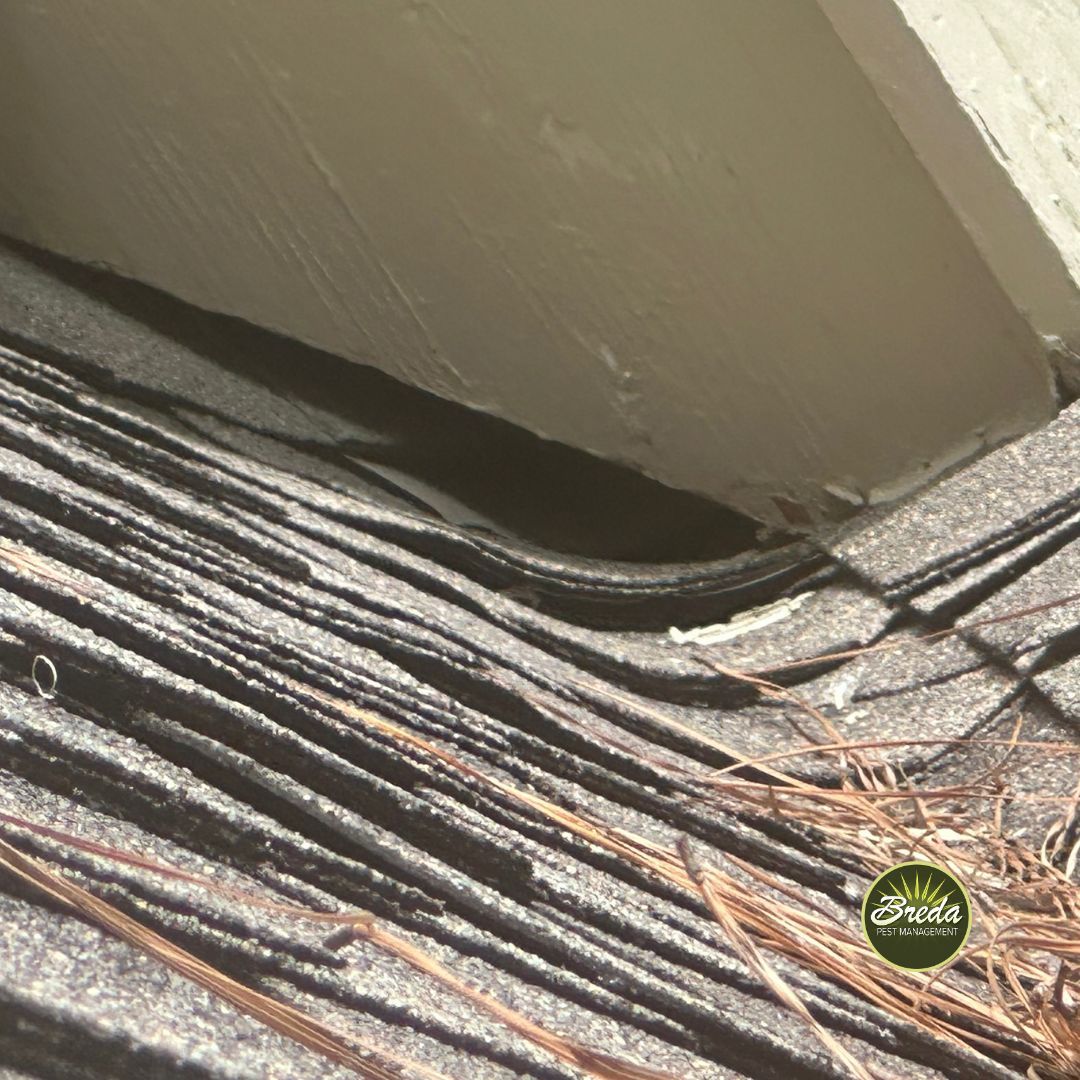
One of the biggest "gotchas" in Metro Atlanta homes is the construction gap—small openings where roof lines meet siding/overhangs that can be 1-2 inches wide and become an easy entrance for squirrels and rodents.
BREDA calls this out specifically because it's a repeat offender—and they often seal it with durable metal flashing as part of long-term exclusion work.
How to inspect your home for vulnerabilities (a quick February checklist)
Before you spend money, spend 15 minutes walking your property like a rodent would.
Outside the home
Walk the exterior perimeter and look for holes, gnaw marks, and rub marks
Inspect areas where different building materials meet (roofline edges, siding corners, foundation transitions)
Look closely at vents, soffits, fascia, and roofline seams—especially where you've seen activity near the roof
Check garage door edges and door sweeps for daylight gaps
Inside the home
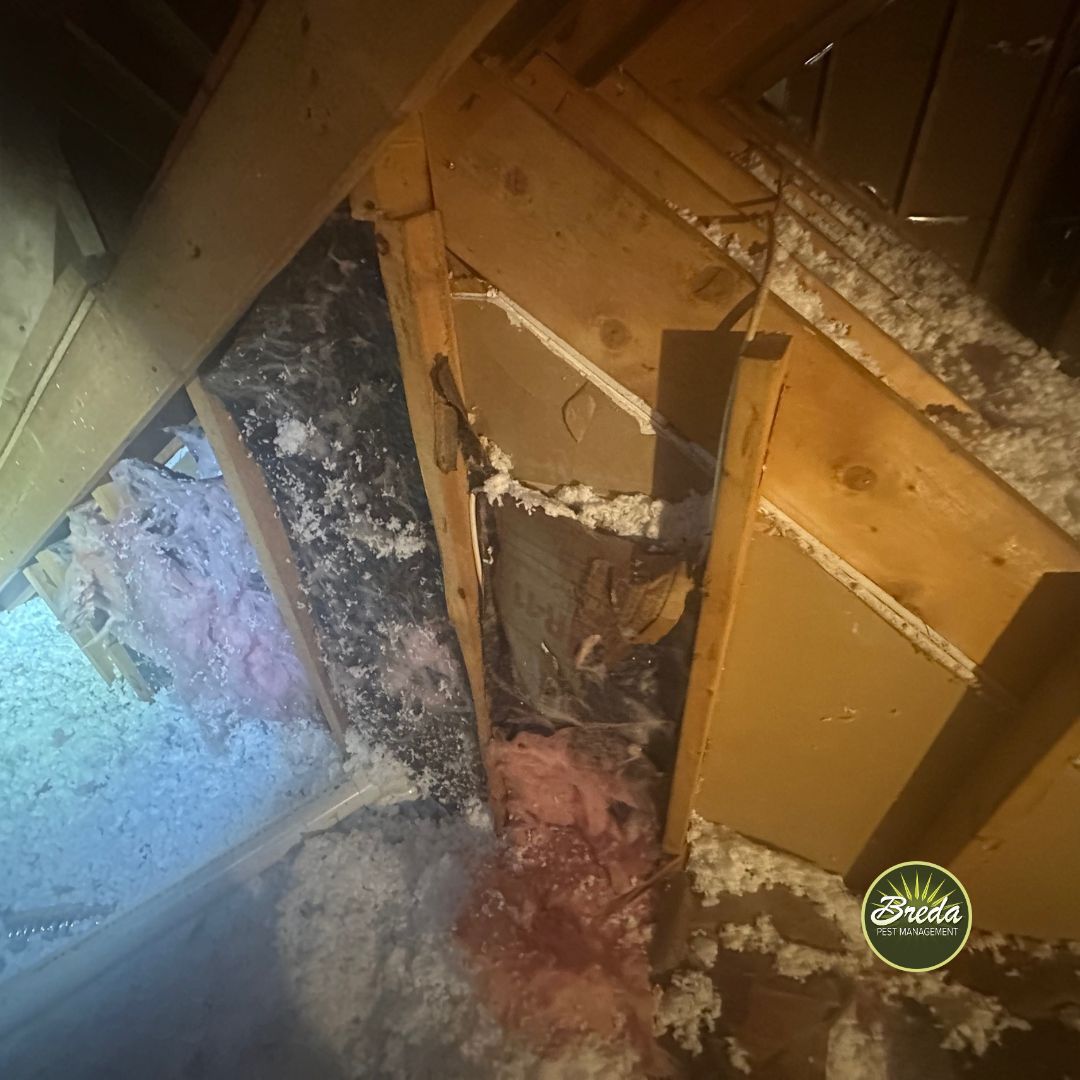
Check attics/crawlspaces/basements for droppings, shredded nesting material, or disturbed insulation
Listen for scratching, scurrying, or tapping noises (especially at night)
Pay attention to smells—strong odors can indicate ongoing activity or waste buildup
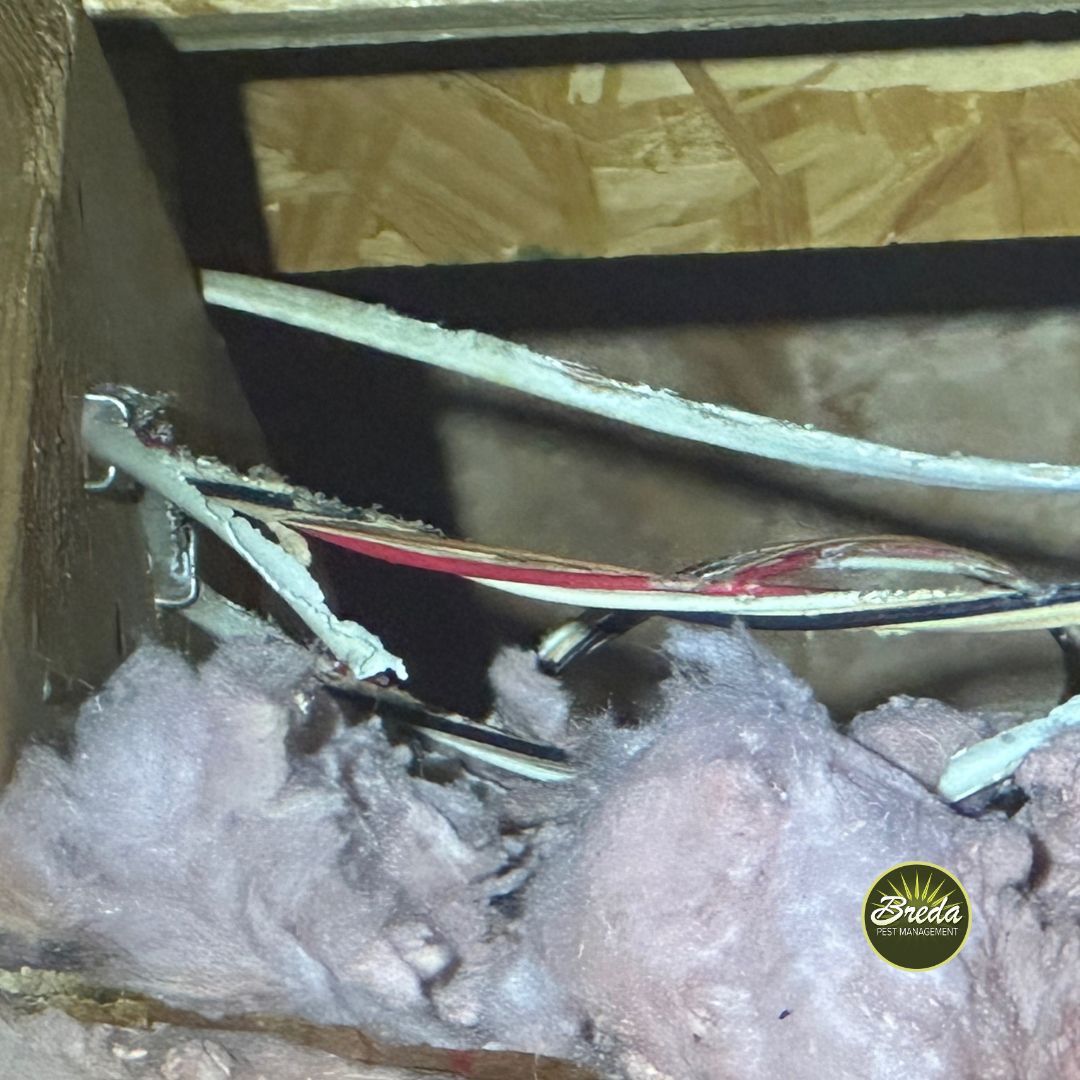
If you want the "expert eyes" version of this, BREDA offers a no-charge inspection—and notes they use tools like FLIR infrared cameras on initial wildlife inspections to help identify issues that aren't obvious at a glance. (Request a no-charge inspection)
That's a strong first step for anyone needing a rodent inspection in Atlanta GA and wanting clarity fast.
DIY exclusion methods homeowners can use
DIY can absolutely help—especially for small vulnerabilities. The key is using materials rodents can't chew through.
Try these:
Seal small gaps with steel wool + caulk (durable combo for tiny openings)
Use hardware cloth or metal mesh over vents and openings
Repair damaged siding, soffits, and trim promptly
Install tight-fitting door sweeps and weather stripping
Repair crawlspace doors and ensure vents are properly screened
The EPA specifically notes materials like steel wool/copper mesh and cement as effective for plugging openings of about 1/4 inch or greater, because rodents can gnaw through softer materials.
This is the heart of rodent entry point sealing in Atlanta GA: not just "seal a hole," but "seal it in a way that stays sealed."
Reduce what attracts rodents to your property
Even if your home is sealed well, rodents hang around where food is easy. These steps reduce the "why here?" factor:
Store food (including pet food and bird seed) in sealed containers
Keep garbage cans tightly closed
Remove clutter, woodpiles, and debris near the foundation
Trim back tree branches and shrubs touching the home (hello, roof access)
Avoid leaving pet food outdoors overnight
The CDC highlights removing food, water, and shelter sources as a core strategy for preventing rodent infestation and reducing disease risk.
Why traps and poison aren't the long-term solution
Traps and bait can play a role in controlling existing activity—but they don't solve the bigger problem if entry points remain open.
Here's why quick fixes fail:
Traps address current rodents, not how they got inside
Poison can lead to rodents dying inside walls/voids, causing odor and secondary issues (and in some guidance, it's explicitly warned that this can happen).
Without exclusion work, new rodents continue entering—because the "door" is still open
Think of it like bailing water without patching the leak.
When it's time to call the professionals
Even with solid DIY effort, rodent exclusion can be tricky because homes have hidden vulnerabilities—especially around rooflines, vents, and penetrations.
Call a pro if you have:
Ongoing scratching/scurrying
Repeat sightings of rodents/squirrels on the roofline
Visible entry damage or disturbed insulation
Droppings or strong odors
Recurring issues after DIY sealing
If you're seeing rodents in the attic, attic rodent removal in Atlanta GA is most effective when it's paired with exclusion—otherwise it's a temporary win.
How BREDA helps: removal + exclusion + long-term coverage
BREDA's wildlife program is built around the reality that rodents and squirrels are persistent—and that a "one-and-done" approach often isn't enough.
Here's what they emphasize across their wildlife services:
No-charge inspections to identify entry points and activity zones (Wildlife Control)
Sealing problem areas like the construction gap, often with durable metal solutions
Wildlife coverage that accounts for real-world behavior: even if the original hole is sealed, rodents can chew new entry points—so BREDA offers a comprehensive lifetime warranty on any wildlife activity in your home, with repairs/cleanup and resealing at no extra charge (as long as renewal requirements are met). (Warranty details)
That's the difference between "we got them out" and "we're keeping them out," which is exactly what most homeowners mean when they search for rodent exclusion in Atlanta GA or wildlife exclusion in Atlanta GA.
And if your concern is below the house as much as above it, this same approach matters for crawl space rodent control in Atlanta GA, because crawlspaces are one of the most common nesting/entry zones in winter.
A final February reminder
Don't wait for the scratching to start. Seal the small gaps. Reduce the attractants. Repair the weak spots. And if you want a clear, confident plan (without guesswork), start with a professional inspection so you're not chasing rodents room-to-room all season.
If you're ready to protect your home the right way, explore BREDA's Wildlife Control services or request a no-charge inspection.
If you're tired of wondering what the pests in or around your home are doing and just want them gone, don't hesitate to give us a call. The BREDA Guarantee promises to protect your home and keep it protected—no matter the circumstances. Schedule an inspection online or give us a call at 770-466-6700.